ALPS Mountaineering · Camping Tents & Tarps
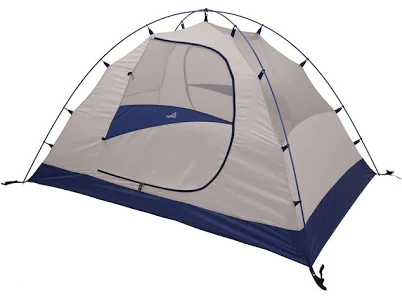
ALPS Mountaineering Lynx 2 Tent
Waterproofing source is unknown; ALPS provides no PFAS statement.
ALPS Mountaineering doesn't publicly state if the Lynx 2's waterproof coating contains PFAS or alternatives. Most budget outdoor tents use water-repellent coating-treated polyester, historically a PFAS category, with no third-party verification available.
Still want this one anyway? Check the price on Amazon. We’d swap it.
Material
Polyester tent fabric with waterproof coating (type unspecified)
Brand disclosure
Brand is silent on PFAS
Lab data
No public lab test
What ALPS Mountaineering Lynx 2 Tent is made of, ingredients and materials
The Lynx 2 uses polyester tent fabric with an applied waterproof coating of unspecified chemistry. Polyester itself is a stable synthetic polymer with low leaching risk under normal use. The coating is the unknown variable, it may contain PFAS (PFAS "forever chemicals") for water repellency, or it may use alternatives like silicone or wax-based systems. Without ALPS Mountaineering's specification, you cannot determine which type was used.
What’s concerning
Category baseline
The starting point for this type of product, before anything specific to this product is counted.
No PFAS disclosure
No public statement from the brand about PFAS in this product.
Waterproof / stain-resistant treatment
Water-repellent coating treatments have historically used PFAS.
PFAS
Waterproof coating chemistry is not disclosed by ALPS. Most conventional polyester tents use fluorinated water-repellent coating (water-repellent coating) treatments, but alternatives like silicone and wax-based systems are increasingly available. Without specification, PFAS presence cannot be ruled out.
Source, ATSDR ↗Microplastics
Prolonged UV exposure and abrasion degrade waterproof coatings over time, potentially releasing fine particles. This is a generic concern for all synthetic coated fabrics, not specific to ALPS, but uncoated seams and worn areas may shed microfibers.
Source, EPA ↗What’s reassuring
Volatile organic compounds (VOCs) from coating
No reported off-gassing incidents for ALPS tents. Residual solvent odors may be present in new tents but dissipate quickly with airing. Polyester itself does not emit formaldehyde or other regulated VOCs.
Aluminum poles (if included)
ALPS Lynx 2 uses aluminum poles, which are anodized and not in contact with food or drinking water; no leaching risk under normal camping conditions.
Flame retardants
No evidence of added flame retardant chemicals in polyester tent fabric for this model. Polyester itself is naturally flame-resistant due to its polymer structure.
Source, EPA ↗The full breakdown
The brand's record and disclosure
ALPS Mountaineering does not publicly disclose waterproof coating chemistry or PFAS content for their tents. The company has not published sustainability reports, chemical inventories, or certifications (such as bluesign or GOTS) that would suggest intentional avoidance of PFAS or other hazardous chemistries. This silence is typical among budget-tier camping brands and does not confirm the presence of PFAS, only the absence of reassurance.
How it compares in its category
The Lynx 2 is a mid-range recreational tent priced for value rather than chemical transparency. Higher-end brands (Big Agnes, MSR, Marmot) sometimes disclose PFAS-free or silicone-coated options, though most conventional tents still use fluorinated water-repellent coating treatments. Budget alternatives from ALPS and peers offer no better disclosure; premium eco-focused brands (e.g., Hyperlite) explicitly market PFAS-free fabric, often at 2-3x the price. The Lynx 2 sits in the transparent-agnostic middle.
If you buy it
Store the tent dry and well-ventilated indoors; off-gassing from any residual coating solvents is minimal after initial cure but continues slowly. Do not expose it to prolonged heat above 140°F (60°C), as polyester begins to degrade and coatings may soften. Wash with plain water or mild soap if soiled; harsh detergents can strip the waterproof layer. Inspect seams and coating annually for wear; replacement after 10-15 years of regular use is normal.
What we don’t know
- Basis
- Model estimate, 42% confidence, not a lab result
- Lab test
- None on record for this exact product
- Brand statement
- ALPS Mountaineering has made none
Formulations change between production runs, so check the current label. How we grade.
More camping tents & tarps grades
How we score, every product runs through the same public 0-100 rubric based on materials, coatings, brand disclosure, lab findings, and recalls. See the full methodology → Spotted a mistake? Report an error.