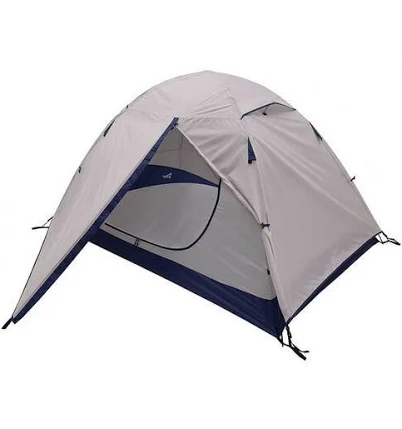
ALPS Mountaineering · Camping Tents & Tarps
ALPS Mountaineering Lynx 3-Person Tent
Skip or contact ALPS directly.
ALPS Mountaineering doesn't publicly disclose the water-resistant coating chemistry on the Lynx 3-Person Tent. Polyester tents typically use fluorocarbon or fluorine-free treatments; without transparency, PFAS risk is unknown.
Still want this one anyway? Check the price on Amazon. We’d swap it.
Material
Polyester tent fabric with water-resistant coating (type unspecified)
Brand disclosure
Brand is silent on PFAS
Lab data
No public lab test
What ALPS Mountaineering Lynx 3-Person Tent is made of, ingredients and materials
The Lynx 3 uses polyester tent fabric with an unspecified water-resistant coating. Polyester itself is stable and non-leaching under normal camping conditions. However, the identity of the water-resistant coating is the critical unknown, if it contains Teflon-type coating (Teflon) or Teflon-family coating, PFAS exposure becomes a concern during setup, use, and storage. ALPS does not publicly specify the coating chemistry on this model.
What’s concerning
No PFAS disclosure
No public statement from the brand about PFAS in this product.
Category baseline
The starting point for this type of product, before anything specific to this product is counted.
Waterproof / stain-resistant treatment
Water-repellent coating treatments have historically used PFAS.
Teflon-type coating/Teflon-family coating fume risk (if present)
Water-resistant tent coatings often use Teflon-type coating or Teflon-family coating to repel water, but ALPS does not disclose the Lynx 3's coating type. If Teflon-type coating-based, the coating presents lower concern during normal use; risk is reduced under camping conditions and does not off-gas at typical outdoor temperatures.
Polyester degradation and microfiber shedding
Prolonged UV exposure, abrasion, or improper storage can cause the polyester fabric to degrade and shed microfibers. Risk is low during typical camping use but increases with age (5+ years) or frequent packing/unpacking in harsh conditions.
Mold and bacterial growth if wet storage occurs
Storing a damp polyester tent can promote mildew and mold growth, which is more of a usability and hygiene issue than a chemical toxicity risk. Ensure the tent is completely dry before storage.
What’s reassuring
Coating leachables into soil or water
No recalls or published studies document leaching of tent coating chemicals into groundwater or soil from polyester tents during typical use. Risk is considered negligible for short-term camping, though long-term environmental impact of fluorinated coatings remains understudied.
Heavy metals
No recalls or certifications flag heavy metal contamination in ALPS tent fabric. Polyester dyes are generally non-leaching under outdoor use; risk is considered low.
Source, FDA ↗The full breakdown
The brand's record and disclosure
ALPS Mountaineering has not published detailed material safety data sheets or PFAS policy statements for consumer review. The brand has no known major recalls related to tent fabric hazards. ALPS remains silent on waterproof coating standards, which is typical for the camping industry but leaves buyers without transparency on fluorochemical use. Contacting the brand directly is the only way to confirm coating composition.
How it compares in its category
Most budget-to-midrange 3-person tents (including Coleman, Ozark Trail, and other ALPS models) use unspecified polyester coatings; transparency is rare across the category. Premium brands like MSR and Big Agnes sometimes disclose non-fluorinated silicone or polyurethane coatings, but cost roughly 2-3 times higher. The Lynx 3 is competitively priced, which often correlates with minimal material disclosure in this market.
If you buy it
Store the tent dry and well-ventilated to prevent mold and fabric degradation. Avoid prolonged direct sunlight storage, which can weaken polyester and degrade the coating over time. Use seam sealer as needed to maintain water resistance; reapplication typically required every 2-3 seasons depending on use frequency. If PFAS avoidance is a priority, email ALPS for coating certification before committing.
What we don’t know
- Basis
- Model estimate, 35% confidence, not a lab result
- Lab test
- None on record for this exact product
- Brand statement
- ALPS Mountaineering has made none
Formulations change between production runs, so check the current label. How we grade.
More camping tents & tarps grades
How we score, every product runs through the same public 0-100 rubric based on materials, coatings, brand disclosure, lab findings, and recalls. See the full methodology → Spotted a mistake? Report an error.