ALPS Mountaineering · Camping Tents & Tarps
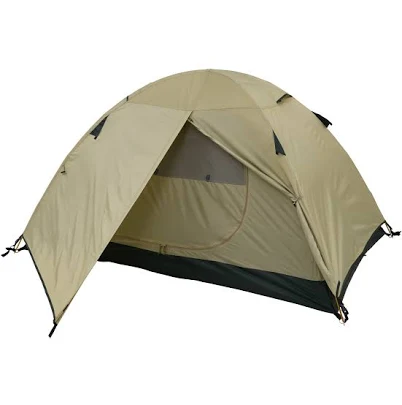
ALPS Mountaineering Taurus Outfitter Tent
Don't buy until ALPS reveals water-repellent coating chemistry.
The Taurus Outfitter is polyester with a water-repellent coating finish, but ALPS Mountaineering doesn't disclose treatment chemistry. Standard practice suggests traditional PFAS-based water-repellent coating, though unconfirmed.
Still want this one anyway? Check the price on Amazon. We’d swap it.
Material
polyester fabric with water-repellent coating waterproof treatment (type unspecified)
Brand disclosure
Brand is silent on PFAS
Lab data
No public lab test
What ALPS Mountaineering Taurus Outfitter Tent is made of, ingredients and materials
The Taurus Outfitter uses polyester fabric treated with an unspecified water-repellent coating (water-repellent coating) coating. Polyester itself is stable and non-toxic when intact, but the water-repellent coating finish, which keeps rain out, is the unknown. Most legacy tent water-repellent coating treatments relied on PFAS-based chemistries (PFOA, PFOCs) that don't break down in the environment or body. The specific formulation ALPS uses is not publicly disclosed, making independent assessment impossible.
What’s concerning
Category baseline
The starting point for this type of product, before anything specific to this product is counted.
No PFAS disclosure
No public statement from the brand about PFAS in this product.
Waterproof / stain-resistant treatment
Water-repellent coating treatments have historically used PFAS.
water-repellent coating durability and shedding
Polyester water-repellent coating coatings degrade over time, especially with UV exposure and washing. While polyester itself is not a primary concern, flaking or breakdown of the water-repellent layer can reduce performance and potentially release fine particles; the composition risk depends on the water-repellent coating type (undisclosed here).
Volatile organic compounds (VOCs) and off-gassing
New polyester tent fabric and water-repellent coating coatings can off-gas VOCs (such as solvents used in coating application) when first unpacked or heated by sun. This typically decreases after initial airing but may cause temporary odor and minor respiratory irritation in poorly ventilated storage or use. Proper ventilation during setup and storage mitigates this.
Microplastic shedding from fabric wear
Polyester sheds microfibers during use, washing, and abrasion (tent pole friction, foot traffic inside). While not unique to this tent, heavy use and poor storage practices accelerate shedding. Microplastic accumulation in soil and water is a documented environmental concern; washing tents in a separate cycle with a microfiber-catching filter is recommended.
What’s reassuring
Flame retardants
No public evidence that the Taurus Outfitter is treated with added flame retardants. Most polyester tents rely on the inherent melting point of polyester rather than chemical fire retardants, but ALPS does not explicitly confirm this. If flame retardants were applied, brominated or chlorinated compounds could pose respiratory or skin irritation risks during manufacturing and use.
Source, EPA ↗Lead
No recalls or testing data available for heavy-metal contamination in the Taurus Outfitter's polyester fabric or dyes. Modern synthetic dyes generally meet safety standards, but ALPS does not provide Oeko-Tex or third-party certification confirming absence of lead, cadmium, or other heavy metals in the colored fabric.
Source, ATSDR ↗The full breakdown
The brand's record and disclosure
ALPS Mountaineering does not publicly disclose water-repellent coating chemistry or provide sustainability/chemical certifications (such as Oeko-Tex or ZDHC Gateway compliance) for this model. The company has not issued statements addressing PFAS phase-out or use of fluorine-free alternatives. No recalls or reported contamination incidents are on record for this specific tent, but the silence on chemistry is typical of mainstream outdoor brands that have not committed to transparency.
How it compares in its category
Many mid-range camping tents use legacy PFAS water-repellent coating coatings; the Taurus Outfitter is not an outlier but also not ahead of the category. Premium brands (e.g., Zpacks, some offerings from Big Agnes) now market PFAS-free or fluorine-free water-repellent coating alternatives, though at higher cost. Budget and mid-tier brands including ALPS have been slower to adopt transparent sourcing or fluorine-free treatments, making this product representative of an industry transition still in progress.
If you buy it
Store in a dry location away from direct heat or UV when not in use; prolonged sun exposure can degrade polyester and water-repellent coating finish faster. Wash gently with water and mild soap only; harsh detergents and solvents will strip the water-repellent coating. Expect water-repellent coating performance to decline after 5-10 years of regular use and heavy rain; reapplication products exist but are themselves often PFAS-based. If environmental or health concerns about PFAS matter to you, contact ALPS directly requesting water-repellent coating chemistry details before purchase.
What we don’t know
- Basis
- Model estimate, 35% confidence, not a lab result
- Lab test
- None on record for this exact product
- Brand statement
- ALPS Mountaineering has made none
Formulations change between production runs, so check the current label. How we grade.
More camping tents & tarps grades
How we score, every product runs through the same public 0-100 rubric based on materials, coatings, brand disclosure, lab findings, and recalls. See the full methodology → Spotted a mistake? Report an error.