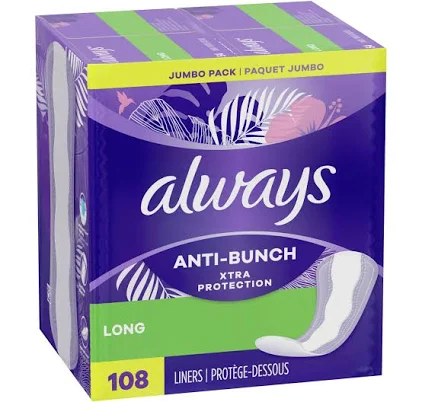
Always Xtra Protection Long Daily Liners
PFAS risk unclear; period-care liners typically use water-repellent coatings that may contain PFAS and Always has not disclosed specifics.
These liners have a waterproof topsheet, the usual place for PFAS-containing water-resistant treatments. Always has not said whether its coatings are PFAS-free.
The better-graded swap
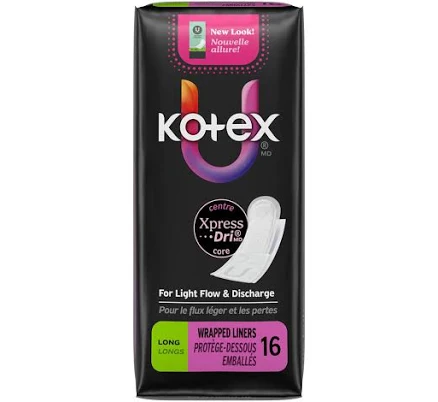
Kotex
Kotex Wrapped Liners
70/100 safety
Same rubric that flunked this product. The swap earned Good.
Still want this one anyway? Check the price on Amazon. We’d swap it.
Material
nonwoven fibres with water-resistant topsheet coating (unspecified)
Lab data
No public lab test
You may also be interested in
Top-graded picks in the categories readers replace first, every one scored on the same rubric.

- polypropylene filter housing, carbon/sediment cartridge
- We found no PFAS statement from the brand
- Bacterial growth in spent cartridges
3 hazards checked on this product, all on its full breakdown.

Aquasure
Premier Series 75 GPD Under Sink Reverse Osmosis Water Filtration System
- RO membrane, carbon filters, stainless steel housing
- We found no PFAS statement from the brand
- Bacterial and microbial growth in housing and filters
4 hazards checked on this product, all on its full breakdown.

Avocado
Vegan Mattress
- organic cotton, natural latex, coconut coir, recycled steel coils
- The brand calls it PFAS-free, which we have not verified
- Heavy metals
2 hazards checked on this product, all on its full breakdown.
What Always Xtra Protection Long Daily Liners is made of, ingredients and materials
Always Xtra Protection Long Daily Liners use nonwoven fibre layers (typically polypropylene or polyethylene) with an unspecified water-resistant topsheet coating. The coating prevents leakage but its chemical identity is not disclosed by the brand. Water-repellent coatings in period-care products commonly rely on synthetic polymers or fluorinated compounds (PFAS), which can persist in the body and environment. Without ingredient transparency, the actual composition of this coating cannot be independently verified.
What’s concerning
Category baseline
The starting point for this type of product, before anything specific to this product is counted.
No PFAS disclosure
No public statement from the brand about PFAS in this product.
Waterproof / stain-resistant treatment
Water-repellent coating treatments have historically used PFAS.
Water-resistant coating composition (unspecified chemistry)
The topsheet coating identity is proprietary and not disclosed. Fluorinated water-repellents (potential PFAS) are common in menstrual products, but Always has not confirmed or denied their use in this product.
Skin sensitization or allergic response
Occasional consumer reports of itching or rash exist on review platforms, but these are anecdotal and not tied to a specific chemical. No large-scale adverse event data has been published.
What’s reassuring
Microplastics
No documented studies have reported microplastic shedding from Always liners specifically. Nonwoven polypropylene is mechanically stable in single-use, short-wear applications, so risk is theoretical rather than established.
Source, EPA ↗Chlorine residues from bleaching
Always does not disclose whether liners are chlorine-bleached; no published testing or recalls indicate chlorine contamination or dioxin formation in this product line.
Adhesive or glue components
Liners typically contain low-migration hotmelt adhesives to attach to underwear. Always does not disclose adhesive chemistry; no regulatory concerns have been raised for this product category.
How is this PFAS grade calculated?
The brand's record and disclosure
Always (Procter & Gamble subsidiary) does not publicly disclose the specific chemicals used in liner coatings and has remained silent on PFAS use in period-care products. The brand has faced criticism from consumer safety advocates for opacity around menstrual product ingredients. P&G operates under voluntary industry standards (e.g., Association of the Nonwoven Fabrics Industry) but does not pursue third-party certifications for chemical safety specific to liners. No recalls or regulatory actions on this product have been documented.
How it compares in its category
Panty liners in the mass market typically use similar nonwoven-plus-coating designs, and most brands similarly decline to disclose topsheet chemistry. Organic or 'clean' alternatives (e.g., Rael, Cora, seventh generation) often advertise chlorine-free and plant-based materials but may still use proprietary water-repellent layers. Always Xtra Protection is positioned as a standard affordability option with extended length; it offers no differentiation in transparency or material safety compared to mainstream competitors. The lack of disclosure is category-norm, not brand-specific, but remains a gap in consumer choice.
If you buy it
Store liners in a cool, dry place away from direct sunlight to prevent any polymer degradation. Liners are single-use and should be discarded after each wear; do not flush. Replace the product if the topsheet becomes visibly tacky, cracked, or discoloured, as this may signal coating breakdown. If you experience skin irritation (redness, itching, rash), discontinue use and consider products with disclosed ingredient lists or certified organic alternatives.
What is not known about PFAS in this product?
- Basis
- Model estimate, 45% confidence, not a lab result
- Lab test
- None on record for this exact product
- Brand statement
- Always has made a specific claim
Formulations change between production runs, so check the current label. How we grade.
What are the PFAS-free alternatives to Always Xtra Protection Long Daily Liners?
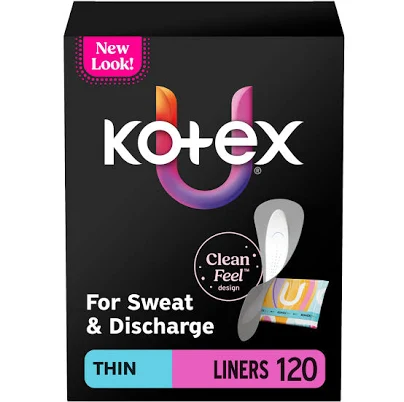
- cotton, rayon, adhesive (nonwoven blend)
- Synthetic adhesive leachables
4 hazards checked on this product, all on its full breakdown.
- Cellulose/cotton absorbent core with adhesive backing
- Adhesive skin contact sensitization
2 hazards checked on this product, all on its full breakdown.
More panty liners grades
How we score, every product runs through the same public 0-100 rubric based on materials, coatings, brand disclosure, lab findings, and recalls. See the full methodology → Spotted a mistake? Report an error.