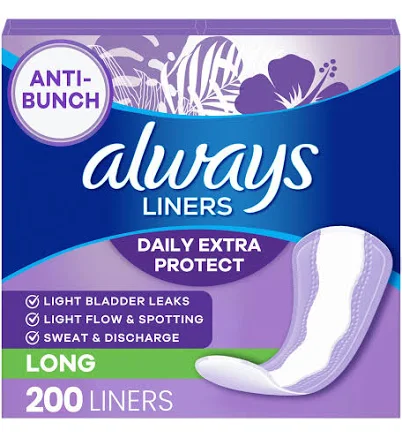
Always xtra Protection Pantiliners
Don't buy until the brand reveals the waterproof coating material; period-care barriers often use PFAS-based treatments.
These liners have a moisture-barrier coating on synthetic backing, a known location for PFAS in period products. Always won't say what's in the coating.
The better-graded swap
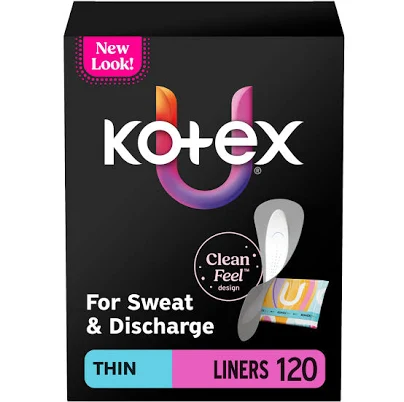
Kotex
Kotex Core Daily Wrapped Liners
70/100 safety
Same rubric that flunked this product. The swap earned Good.
Still want this one anyway? Check the price on Amazon. We’d swap it.
Material
Nonwoven polypropylene backing with moisture barrier coating (composition unspecified)
Lab data
No public lab test
You may also be interested in
Top-graded picks in the categories readers replace first, every one scored on the same rubric.

- polypropylene filter housing, carbon/sediment cartridge
- We found no PFAS statement from the brand
- Bacterial growth in spent cartridges
3 hazards checked on this product, all on its full breakdown.

Aquasure
Premier Series 75 GPD Under Sink Reverse Osmosis Water Filtration System
- RO membrane, carbon filters, stainless steel housing
- We found no PFAS statement from the brand
- Bacterial and microbial growth in housing and filters
4 hazards checked on this product, all on its full breakdown.

Avocado
Vegan Mattress
- organic cotton, natural latex, coconut coir, recycled steel coils
- The brand calls it PFAS-free, which we have not verified
- Heavy metals
2 hazards checked on this product, all on its full breakdown.
What Always xtra Protection Pantiliners is made of, ingredients and materials
Always xtra Protection uses a nonwoven polypropylene backing with an unspecified moisture barrier coating, the latter being critical to absorbency and leak prevention. The composition of that barrier coating is not publicly disclosed by the brand, which is the core safety gap, manufacturers typically use either polyurethane, thermoplastic polymers, or PFAS-based fluorochemicals for water resistance. Polypropylene itself is considered stable under normal body-temperature use, but the mystery coating's identity determines whether PFAS, plasticizers, or other leachables are present.
What’s concerning
Category baseline
The starting point for this type of product, before anything specific to this product is counted.
No PFAS disclosure
No public statement from the brand about PFAS in this product.
Waterproof / stain-resistant treatment
Water-repellent coating treatments have historically used PFAS.
PFAS
The unidentified and undisclosed waterproof coating on the nonwoven backing is a high-probability site for fluorochemical residues; PFAS compounds are industry-standard in such applications and have been detected in period-product studies, but P&G has not confirmed or ruled out their use in this product.
Source, ATSDR ↗Plasticizer or adhesive leachates from barrier layer
Depending on barrier-coating chemistry, plasticizers, isocyanates (from polyurethane), or unreacted monomers could migrate to skin or vaginal tissue during use; without material disclosure, this risk cannot be quantified but is consistent with nonwoven composite construction.
Allergic or irritant reaction to undisclosed additives
Feminine-hygiene products broadly have documented cases of vulvovaginal contact dermatitis and irritation; causes are often dyes, perfumes, adhesives, or coating residues. Always xtra Protection does not list fragrance but does not disclose all coating components, leaving irritation risk unquantifiable for individual users.
What’s reassuring
Microplastic fragmentation from backing
Polypropylene nonwovens do not break down into microplastics under normal body-temperature use or moisture exposure; no established mechanism for microplastic release from pantiliners in this material class.
Chlorine or bleach residues from manufacturing
No specific data on Always' manufacturing practices; polypropylene nonwovens typically undergo minimal bleaching. Industry standard practice would use hydrogen peroxide or ozone, not chlorine, but brand-specific confirmation is absent.
How is this PFAS grade calculated?
The brand's record and disclosure
Procter and Gamble (Always' parent company) has not publicly committed to PFAS-free formulations in period-care products, nor has it disclosed the specific barrier-coating chemistry for this product line. P&G has faced criticism from NGOs on PFAS use across feminine-hygiene ranges but has not issued category-wide reformulation pledges comparable to some competitors. No major recalls or safety violations specific to Always pantiliners are on record, but the silence on coating materials is notably different from brands that explicitly label 'PFAS-free' or 'fluorochemical-free' formulations.
How it compares in its category
Most pantyliners on the market use polypropylene or cotton-blend backings; Always xtra Protection is middle-of-road for material choice. Competitors like Kotex and store-brand options often also do not disclose barrier-coating materials, making this product representative rather than exceptional in transparency. Some premium or eco-focused alternatives (e.g., Veeda, Aunt Flow) explicitly advertise PFAS-free status, which has become a market differentiator in recent years and suggests that formulation alternatives do exist.
If you buy it
Use as directed and replace every 3-4 hours during use to minimize prolonged contact and reduce any potential leachate exposure from the barrier layer. Store in a cool, dry place; do not expose to heat sources, as warming could theoretically accelerate any migration from the coating. If you have vulvovaginal sensitivity, allergic reactions, or want to eliminate coating-related uncertainty, consider switching to a brand that explicitly certifies PFAS-free status. Wash hands after insertion and removal to reduce any residue contact with mucous membranes or mouth.
What is not known about PFAS in this product?
- Basis
- Model estimate, 45% confidence, not a lab result
- Lab test
- None on record for this exact product
- Brand statement
- Always has made a specific claim
Formulations change between production runs, so check the current label. How we grade.
What are the PFAS-free alternatives to Always xtra Protection Pantiliners?
- cotton, rayon, adhesive (nonwoven blend)
- Synthetic adhesive leachables
4 hazards checked on this product, all on its full breakdown.
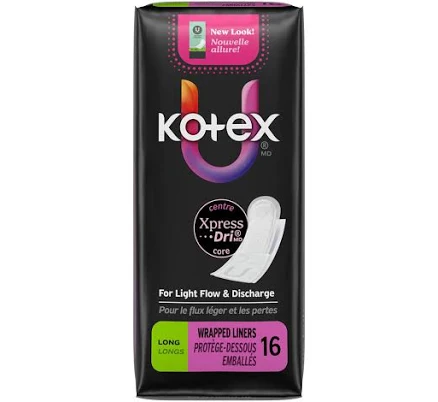
- Cellulose/cotton absorbent core with adhesive backing
- Adhesive skin contact sensitization
2 hazards checked on this product, all on its full breakdown.
More panty liners grades
How we score, every product runs through the same public 0-100 rubric based on materials, coatings, brand disclosure, lab findings, and recalls. See the full methodology → Spotted a mistake? Report an error.