
Speax by Thinx Thong Incontinence Underwear Women for
Don't buy until the brand clarifies the waterproof coating material; likely PFAS risk unaddressed.
Speax uses synthetic fabrics with water-resistant treatment, typical of period and incontinence products but usually reliant on PFAS-based water repellents. Thinx makes no PFAS statement.
The better-graded swap
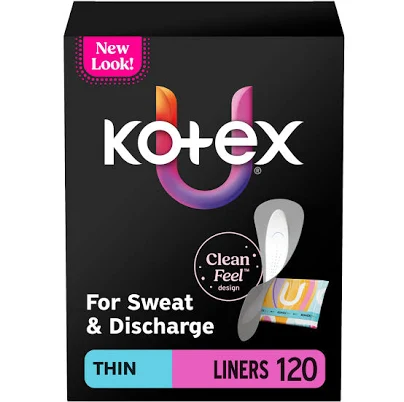
Kotex
Kotex Core Daily Wrapped Liners
70/100 safety
Same rubric that flunked this product. The swap earned Good.
Still want this one anyway? Check the price on Amazon. We’d swap it.
Material
Moisture-wicking synthetic blend with unspecified waterproof/absorbent coating
Lab data
No public lab test
You may also be interested in
Top-graded picks in the categories readers replace first, every one scored on the same rubric.

- polypropylene filter housing, carbon/sediment cartridge
- We found no PFAS statement from the brand
- Bacterial growth in spent cartridges
3 hazards checked on this product, all on its full breakdown.

Aquasure
Premier Series 75 GPD Under Sink Reverse Osmosis Water Filtration System
- RO membrane, carbon filters, stainless steel housing
- We found no PFAS statement from the brand
- Bacterial and microbial growth in housing and filters
4 hazards checked on this product, all on its full breakdown.

Avocado
Vegan Mattress
- organic cotton, natural latex, coconut coir, recycled steel coils
- The brand calls it PFAS-free, which we have not verified
- Heavy metals
2 hazards checked on this product, all on its full breakdown.
What Speax by Thinx Thong Underwear Women is made of, ingredients and materials
Speax uses a synthetic blend (likely nylon/polyester) with an undisclosed waterproof and absorbent coating. The coating formula is the critical unknown, waterproof layers in incontinence wear typically rely on fluorochemicals (PFAS) or polyurethane alternatives, and Thinx has not publicly specified which. Without coating transparency, the safety profile of the absorbent layer remains unverifiable.
What’s concerning
Category baseline
The starting point for this type of product, before anything specific to this product is counted.
No PFAS disclosure
No public statement from the brand about PFAS in this product.
Waterproof / stain-resistant treatment
Water-repellent coating treatments have historically used PFAS.
Coating degradation and leachate release
The unspecified waterproof coating may degrade over time with repeated washing and wear, potentially releasing unreacted oligomers or residual chemicals. Risk is highest if the coating is PFAS-based or contains polyurethane softeners; machine washing and heat accelerate degradation.
Skin sensitization from synthetic contact
Synthetic blends can trap moisture and heat, creating conditions for irritation in sensitive individuals. The absorbent layer composition is proprietary, so residual chemicals from manufacturing cannot be ruled out without third-party certification.
What’s reassuring
Azo dyes in synthetic textiles
No documented azo dye contamination reported for Speax products. Synthetic blends carry theoretical risk if dyes are not pre-tested, but no public safety incidents or complaints are on record.
Formaldehyde / VOCs
Formaldehyde resins are sometimes used in water-repellent finishes on synthetics, but Thinx has not disclosed use of this chemistry in Speax. No odor complaints or dermatological alerts suggest this is not a primary concern, but absence of evidence is not assurance.
Source, ATSDR ↗Antimony in polyester core
Antimony (a catalyst in polyester production) may be present as trace residue in the synthetic fibers; Thinx does not publish testing for antimony leaching. Risk is low in brief skin contact, but long-term or sensitive-skin exposure has not been independently verified for this product.
How is this PFAS grade calculated?
The brand's record and disclosure
Thinx built reputation on period-underwear innovation but has faced criticism for vague material sourcing and lack of third-party certifications (Oeko-Tex, GOTS). The company has not issued public statements on PFAS use or phase-out plans, unlike some competitors. No major recalls or documented chemical contamination incidents are on record for this product line, but silence on coating composition is a red flag in the incontinence category where PFAS prevalence is high.
How it compares in its category
Incontinence underwear inherently requires water-barrier technology, and PFAS is the cheapest established option. Some competitors (e.g.certain natural-fiber blends with polyurethane coatings are reported to offer alternatives not containing PFAS, though these are less common and costlier. Speax occupies the mainstream synthetic segment where PFAS risk is elevated. Direct peer comparison is difficult because most brands similarly withhold detailed coating data.
If you buy it
Wash separately in warm water, not hot, to minimize any coating degradation or off-gassing. Do not machine dry on high heat; air dry or low tumble to extend lifespan and reduce thermal stress on the waterproof layer. Replace every 6-12 months or sooner if absorbency declines, as a degraded coating may lose containment and increase leachate contact with skin. Monitor for any skin irritation; discontinue if rash or sensitization emerges and contact the brand for material clarification.
What is not known about PFAS in this product?
- Basis
- Model estimate, 42% confidence, not a lab result
- Lab test
- None on record for this exact product
- Brand statement
- Thinx has made a specific claim
Formulations change between production runs, so check the current label. How we grade.
What are the PFAS-free alternatives to Speax by Thinx Thong Incontinence Underwear Women for?
- cotton, rayon, adhesive (nonwoven blend)
- Synthetic adhesive leachables
4 hazards checked on this product, all on its full breakdown.
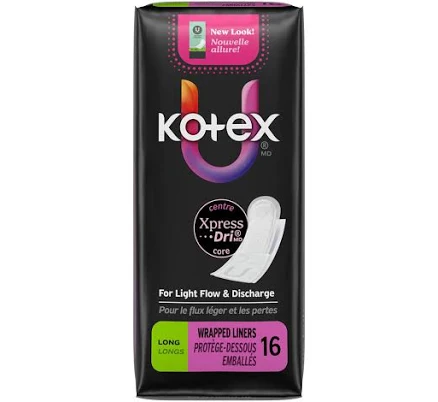
- Cellulose/cotton absorbent core with adhesive backing
- Adhesive skin contact sensitization
2 hazards checked on this product, all on its full breakdown.
More panty liners grades
How we score, every product runs through the same public 0-100 rubric based on materials, coatings, brand disclosure, lab findings, and recalls. See the full methodology → Spotted a mistake? Report an error.