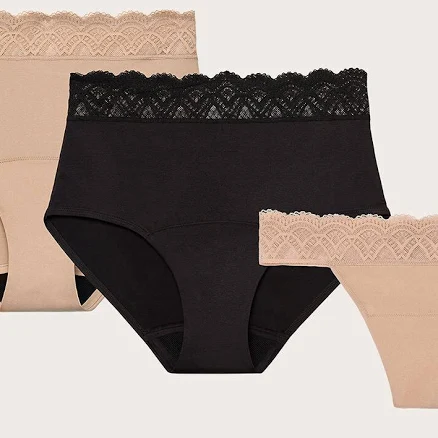
Thinx Leak-Fighting Rotation Set Underwear
Don't buy until the brand reveals the waterproof coating material; period underwear's leak-fighting layer is a common PFAS concern.
Thinx does not reveal what chemical makes this underwear waterproof. Period-care garments rely on waterproof barriers that frequently contain PFAS.
The better-graded swap
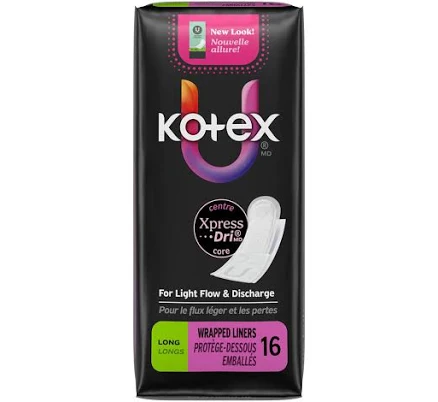
Kotex
Kotex Wrapped Liners
70/100 safety
Same rubric that flunked this product. The swap earned Good.
Still want this one anyway? Check the price on Amazon. We’d swap it.
Material
Cotton/synthetic blend with waterproof/moisture-wicking coating (unspecified chemistry)
Lab data
No public lab test
You may also be interested in
Top-graded picks in the categories readers replace first, every one scored on the same rubric.

- polypropylene filter housing, carbon/sediment cartridge
- We found no PFAS statement from the brand
- Bacterial growth in spent cartridges
3 hazards checked on this product, all on its full breakdown.

Aquasure
Premier Series 75 GPD Under Sink Reverse Osmosis Water Filtration System
- RO membrane, carbon filters, stainless steel housing
- We found no PFAS statement from the brand
- Bacterial and microbial growth in housing and filters
4 hazards checked on this product, all on its full breakdown.

Avocado
Vegan Mattress
- organic cotton, natural latex, coconut coir, recycled steel coils
- The brand calls it PFAS-free, which we have not verified
- Heavy metals
2 hazards checked on this product, all on its full breakdown.
What Thinx Leak-Fighting Rotation Set Underwear is made of, ingredients and materials
Thinx's leak-fighting layer uses an unspecified waterproof/moisture-wicking coating applied to a cotton-synthetic blend. The coating chemistry is proprietary and undisclosed, which is the core problem, period underwear's waterproof barrier is the most likely source of PFAS or other fluorinated chemicals in this product category. The cotton portion itself presents no known chemical hazard, but you are wearing an unknown polymer layer against sensitive skin for extended periods.
What’s concerning
Category baseline
The starting point for this type of product, before anything specific to this product is counted.
No PFAS disclosure
No public statement from the brand about PFAS in this product.
Waterproof / stain-resistant treatment
Water-repellent coating treatments have historically used PFAS.
PFAS
The unspecified moisture barrier in Thinx underwear is highly likely to contain fluorinated chemicals given industry practice, yet the brand has not disclosed the chemistry or ruled out PFAS. Skin contact over long wear periods raises absorption concerns, especially during menstruation when tissue permeability may be higher.
Source, ATSDR ↗Coating degradation and leachate release with heat or friction
Waterproof coatings, especially polyurethane-based, can fragment and leach monomers or plasticizers when exposed to hot water, body heat, or repeated washing. Unknown coating composition in Thinx products means you cannot assess degradation risk or safety of released particles over the garment's lifetime.
Microplastic shedding from synthetic blend and coating
Cotton-synthetic blended fabrics shed microfibers during washing, and waterproof coatings can fragment into microplastics. While systemic ingestion through wear is minimal, washing Thinx underwear releases microplastics into wastewater; this is a product-lifetime concern, not an immediate wearer hazard.
What’s reassuring
Formaldehyde / VOCs
No specific reports of formaldehyde-based finishes in Thinx products. Cotton-blend textiles sometimes use formaldehyde to set dyes or improve wrinkle resistance, but Thinx has not documented use of these processes; initial cold-water wash would reduce residual formaldehyde if present.
Source, ATSDR ↗Heavy metals
Thinx fabrics are typically black or dark colors, which historically carry higher heavy metal loads (especially lead and cadmium in older dye batches). No recall or test data is on record for this brand, but testing would be needed to confirm compliance with current heavy metal limits.
Source, FDA ↗How is this PFAS grade calculated?
The brand's record and disclosure
Thinx has maintained public silence on the specific materials in their waterproof coating despite repeated industry and consumer inquiries about PFAS use. The brand has not pursued third-party certifications (such as OEKO-TEX or bluesign) that would require chemical transparency. No major product recalls or established contamination cases are on record, but the refusal to name the coating chemistry is a significant red flag in a category where PFAS-based coatings are industry standard.
How it compares in its category
Period underwear and reusable liners typically use either PFAS-based (traditional polyurethane), polyurethane with lower PFAS concern, or silicone-based moisture barriers. Thinx's silence puts it below competitors like Knix and Aerie (both of which have made public commitments to PFAS-free coatings) and equals the disclosure opacity of many budget brands. Without confirmation of PFAS-free status, this product cannot be ranked favorably among informed-choice alternatives in the category.
If you buy it
Wash in cold water with mild detergent before first wear to reduce any finish residues. Avoid hot water, bleach, and fabric softener, which can degrade the waterproof coating and increase leaching risk. Replace every 12 to 18 months or if waterproofing visibly fails (water pooling, staining spreading). Do not use a dryer; air-dry flat to preserve coating integrity. Request the coating material name directly from the brand or consider switching to a competitor with published PFAS-free certification.
What is not known about PFAS in this product?
- Basis
- Model estimate, 45% confidence, not a lab result
- Lab test
- None on record for this exact product
- Brand statement
- Thinx has made a specific claim
Formulations change between production runs, so check the current label. How we grade.
What are the PFAS-free alternatives to Thinx Leak-Fighting Rotation Set Underwear?
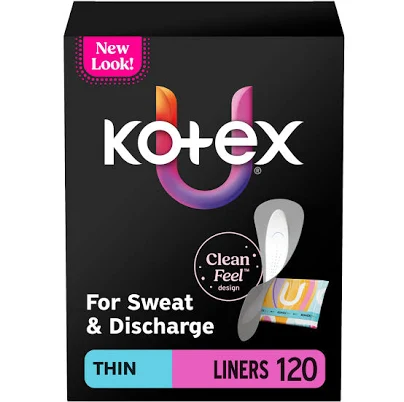
- cotton, rayon, adhesive (nonwoven blend)
- Synthetic adhesive leachables
4 hazards checked on this product, all on its full breakdown.
- Cellulose/cotton absorbent core with adhesive backing
- Adhesive skin contact sensitization
2 hazards checked on this product, all on its full breakdown.
More panty liners grades
How we score, every product runs through the same public 0-100 rubric based on materials, coatings, brand disclosure, lab findings, and recalls. See the full methodology → Spotted a mistake? Report an error.