APEC Water Systems · Water Filters
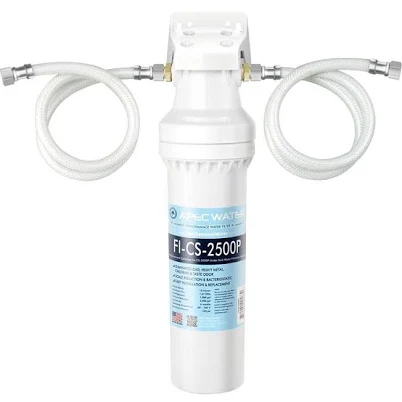
APEC Water Under-Sink Water Filter System CS-2500P
Lower PFAS concern in filter media, regular cartridge replacement prevents buildup.
APEC CS-2500P combines activated carbon and RO membrane without disclosed synthetic coatings or Teflon-family coating. The system removes contaminants rather than introducing them.
We flunk more products than we pass. This one earned its grade. How we grade
Material
Activated carbon and RO membrane filtration (no synthetic coatings disclosed)
Brand disclosure
Brand is silent on PFAS
Lab data
No public lab test
You may also be interested in
Top-graded picks in the categories readers replace first, every one scored on the same rubric.

Aqua Pure
3M Aqua-Pure AP802B Whole House Filter Housing
- polypropylene filter housing, carbon/sediment cartridge
- We found no PFAS statement from the brand
- Bacterial growth in spent cartridges
3 hazards checked on this product. See all of them.

Aquasure
Premier Series 75 GPD Under Sink Reverse Osmosis Water Filtration System
- RO membrane, carbon filters, stainless steel housing
- We found no PFAS statement from the brand
- Bacterial and microbial growth in housing and filters
4 hazards checked on this product. See all of them.

Avocado
Vegan Mattress
- organic cotton, natural latex, coconut coir, recycled steel coils
- The brand calls it PFAS-free, which we have not verified
- Heavy metals
2 hazards checked on this product. See all of them.
What APEC Water Under-Sink Water Filter System is made of, ingredients and materials
The CS-2500P uses activated carbon and reverse osmosis (RO) membrane filtration, both well-established materials with no synthetic polymer coatings or chemical binders that leach into water. Activated carbon is inert once cured and does not degrade into the filtrate under typical household water conditions. RO membranes are cellulose-based polymers designed to be chemically stable and non-reactive with potable water.
What’s concerning
No PFAS disclosure
No public statement from the brand about PFAS in this product.
Bacterial growth in filter housing
Unmaintained or expired carbon cartridges and stagnant water in the under-sink tank can harbor biofilm and bacterial colonies. This is a use-maintenance issue, not a manufacturing defect, but regular replacement schedules are essential to mitigate.
Carbon fines and particulates in output water
Activated carbon can shed fine particles, especially in new filters or if cartridges are damaged during installation. This is typically harmless but can affect water taste and appearance; flushing for several minutes after cartridge installation minimizes this risk.
Cross-contamination from non-food-grade tubing
Some under-sink filter kits use standard plastic tubing that may contain non-food-grade adhesives or dyes. Check that all tubing is labeled NSF/food-safe; Apex typically supplies certified tubing, but third-party extension kits may vary.
What’s reassuring
Base material not linked to PFAS
The main material recorded for this product is not one associated with PFAS.
Plastic housing leachables
The CS-2500P housing materials are not fully disclosed, but no public reports of leachable contaminants (BPA, phthalates) from Apex under-sink systems exist. NSF certification provides some assurance, though independent testing of housing polymers is not standard.
RO membrane chemical degradation
Cellulose-based RO membranes do not typically break down or leach into filtered water under normal pH and temperature conditions. High chlorine, extreme heat, or acidic water may shorten membrane lifespan but do not produce hazardous byproducts.
The full breakdown
The brand's record and disclosure
Apex (APEC Water) has not published detailed material sourcing or manufacturing hazard disclosures. The brand carries NSF/ANSI certification for water filter systems, which requires testing for contaminant reduction but does not specifically audit for leachable impurities in filter media. No major recalls or public health incidents are on record for this model.
How it compares in its category
Under-sink RO systems like this typically present lower leaching risk than pitcher filters (which use plastic housings prone to degradation) and comparable risk to point-of-use carbon filters. The RO membrane is a stronger barrier than activated carbon alone, making this a mid-to-upper tier option for contaminant reduction. Most competitors in this category (Aqua, DuPont, Waterdrop) have similar material profiles and certification status.
If you buy it
Replace cartridges every 6 months or per manufacturer guidance to prevent carbon exhaustion and bacterial biofilm growth in the filter housing. Do not expose the system to water above 38°C (100°F) as this can degrade membrane integrity. Flush the system for 5 minutes after initial installation and after each cartridge change to clear loose carbon particles. Store replacement cartridges in a cool, dry place and inspect the housing for cracks or discoloration before reinstalling.
What we don’t know
- Basis
- Model estimate, 72% confidence, not a lab result
- Lab test
- None on record for this exact product
- Brand statement
- APEC Water Systems has made none
Formulations change between production runs, so check the current label. How we grade.
Better-graded alternatives in Water Filters

Aquamira
Water Storage Treatment 2 oz Glass Bottles 60 gallons Purification
- glass bottles, sodium dichloroisocyanurate treatment chemical
- We found no PFAS statement from the brand
- Chemical overdose or misuse
5 hazards checked on this product. See all of them.

Big Berkey
Empty Housing with NO Filters Included
- Stainless steel housing and spigot
- We found no PFAS statement from the brand
- Bacterial growth and biofilm if filters not replaced
5 hazards checked on this product. See all of them.

LifeStraw
Home Glass Water Filter Pitcher
- Borosilicate glass pitcher, replaceable activated-carbon filter cartridge
- Bacterial growth in filter cartridge if unmaintained
5 hazards checked on this product. See all of them.
More water filters grades
How we score, every product runs through the same public 0-100 rubric based on materials, coatings, brand disclosure, lab findings, and recalls. See the full methodology → Spotted a mistake? Report an error.