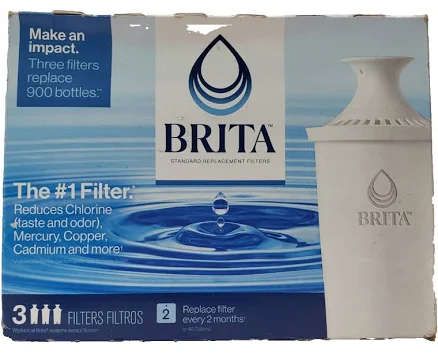
Brita Standard Filter
Low PFAS risk from conventional pitcher and filter design.
Brita's standard filters use activated carbon and ion-exchange resin in plastic pitchers. These materials lack the coatings that introduce PFAS into products.
We flunk more products than we pass. This one earned its grade. How we grade
You may also be interested in
Top-graded picks in the categories readers replace first, every one scored on the same rubric.

- polypropylene filter housing, carbon/sediment cartridge
- We found no PFAS statement from the brand
- Bacterial growth in spent cartridges
3 hazards checked on this product, all on its full breakdown.

Aquasure
Premier Series 75 GPD Under Sink Reverse Osmosis Water Filtration System
- RO membrane, carbon filters, stainless steel housing
- We found no PFAS statement from the brand
- Bacterial and microbial growth in housing and filters
4 hazards checked on this product, all on its full breakdown.

Avocado
Vegan Mattress
- organic cotton, natural latex, coconut coir, recycled steel coils
- The brand calls it PFAS-free, which we have not verified
- Heavy metals
2 hazards checked on this product, all on its full breakdown.
What Brita Standard Filter is made of, ingredients and materials
Brita Standard filters use activated carbon and ion-exchange resin to reduce chlorine, sediment, and some contaminants. The plastic housing is typically polypropylene (PP), which is stable at room temperature and does not leach under normal cold-water use. The carbon and resin media themselves are inert once saturated and do not degrade into drinking water under intended conditions.
What’s concerning
Vague safety claims only
Uses vague language ("eco-friendly", "clean") without a specific PFAS statement.
Bacterial growth in filter media and housing
Activated carbon filters can support microbial growth if not replaced on schedule or if water sits stagnant inside the pitcher. This is a known limitation of all pitcher filters and depends entirely on user maintenance, not product defect.
Carbon dust or resin particles in filtered water
New filters may shed fine particles if not rinsed before first use. This is cosmetic rather than toxic but can be avoided by running water through the filter for 15-30 seconds before drinking.
Contaminant rebound after saturation
Once a carbon filter reaches saturation, previously absorbed contaminants can leach back into water. This underscores the importance of strict replacement schedules and is why Standard filters are not recommended for high-contamination water sources.
Inadequate removal of modern contaminants
Brita Standard filters are certified only for chlorine, taste, and odor. They do not reliably remove PFAS, heavy metals, nitrates, or pharmaceuticals. Users in areas with known contamination should choose targeted filters or test their water first.
What’s reassuring
Base material not linked to PFAS
The main material recorded for this product is not one associated with PFAS.
Polypropylene housing leachables (room temperature)
Polypropylene is chemically stable in cold water and has no established record of leaching harmful substances into drinking water at ambient conditions. Heat exposure or prolonged contact with strong solvents could theoretically stress the plastic, but normal use presents no documented risk.
How is this PFAS grade calculated?
The brand's record and disclosure
Brita is a major consumer water-filter brand owned by Clorox with decades of market presence. The company has not faced major public health recalls or documented disclosure failures specific to Standard filters. Independent NSF certification for chlorine and taste-odor reduction is standard for this product line, though Brita does not independently test or disclose PFAS removal for Standard filters.
How it compares in its category
Brita Standard filters are among the most widely sold pitcher filters and represent a middle-tier option. They are less effective than specialized PFAS-removal filters or reverse-osmosis systems, but present lower concern than relying on boiling alone. Competitor filters (PUR, generic brands) share similar carbon-resin designs and carry the same maintenance-dependent risk profile.
If you buy it
Replace filters every 2 months or 40 gallons as labeled to prevent saturated carbon from becoming a bacterial breeding ground. Store the pitcher in the refrigerator, not at room temperature, and rinse the filter before first use. Never use hot water, which can degrade the plastic housing. If water sits unused for more than a few days, discard it and flush the filter.
What is not known about PFAS in this product?
- Basis
- Model estimate, 100% confidence, not a lab result
- Lab test
- None on record for this exact product
- Brand statement
- Brita has made a specific claim
Formulations change between production runs, so check the current label. How we grade.
What are the PFAS-free alternatives to Brita Standard Filter?
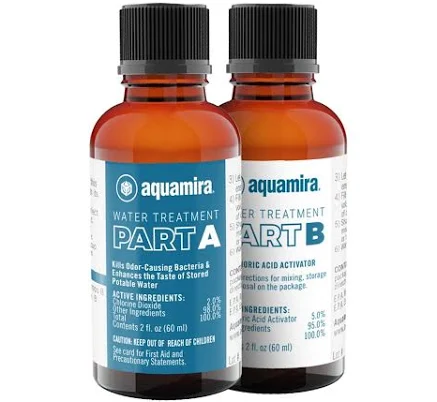
- glass bottles, sodium dichloroisocyanurate treatment chemical
- We found no PFAS statement from the brand
- Chemical overdose or misuse
5 hazards checked on this product, all on its full breakdown.
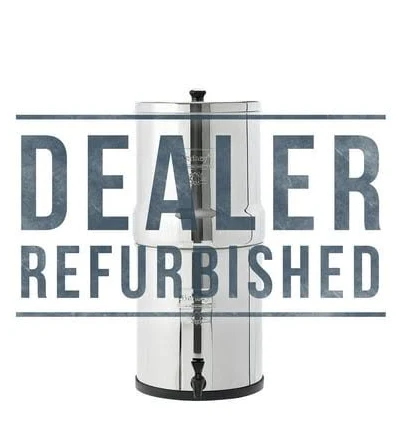
- Stainless steel housing and spigot
- We found no PFAS statement from the brand
- Bacterial growth and biofilm if filters not replaced
5 hazards checked on this product, all on its full breakdown.
- Borosilicate glass pitcher, replaceable activated-carbon filter cartridge
- Bacterial growth in filter cartridge if unmaintained
5 hazards checked on this product, all on its full breakdown.
More water filters grades
How we score, every product runs through the same public 0-100 rubric based on materials, coatings, brand disclosure, lab findings, and recalls. See the full methodology → Spotted a mistake? Report an error.