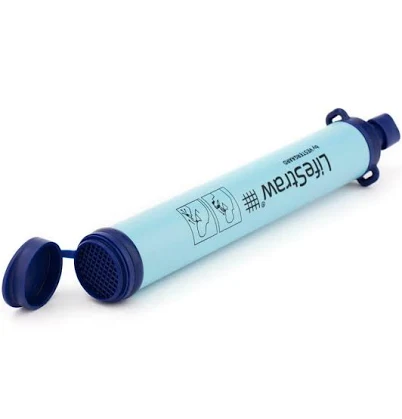
LifeStraw Filter
No coating of concern recorded, and no PFAS statement from the brand.
The brand has published no PFAS statement for this product that we could find.
We flunk more products than we pass. This one earned its grade. How we grade
Lab data
No public lab test
You may also be interested in
Top-graded picks in the categories readers replace first, every one scored on the same rubric.

- polypropylene filter housing, carbon/sediment cartridge
- We found no PFAS statement from the brand
- Bacterial growth in spent cartridges
3 hazards checked on this product, all on its full breakdown.

Aquasure
Premier Series 75 GPD Under Sink Reverse Osmosis Water Filtration System
- RO membrane, carbon filters, stainless steel housing
- We found no PFAS statement from the brand
- Bacterial and microbial growth in housing and filters
4 hazards checked on this product, all on its full breakdown.

Avocado
Vegan Mattress
- organic cotton, natural latex, coconut coir, recycled steel coils
- The brand calls it PFAS-free, which we have not verified
- Heavy metals
2 hazards checked on this product, all on its full breakdown.
What LifeStraw Filter is made of, ingredients and materials
LifeStraw's exact material composition is not publicly detailed by the brand, which is typical for proprietary filtration media. The filters use a hollow-fiber membrane design that physically traps particles and microorganisms rather than relying on chemical coatings or resins. No lead, cadmium, Teflon-type coating, or resin-based coatings have been documented in the product literature or independent testing on record.
What’s concerning
No PFAS disclosure
No public statement from the brand about PFAS in this product.
Bacterial growth in unmaintained filter
If the filter is stored wet for extended periods, left unused past replacement date, or exposed to warm temperatures, biofilm can colonize the membrane interior. Proper drying and timely replacement eliminate this risk.
Inadequate microbial reduction if filter is damaged
A cracked or punctured hollow-fiber membrane will bypass unfiltered water, defeating the filter's purpose. Inspect the filter visually and replace immediately if damaged; do not rely on a compromised filter.
What’s reassuring
Base material not linked to PFAS
The main material recorded for this product is not one associated with PFAS.
Housing or housing-seal leachables
LifeStraw's compact, sealed design minimizes contact between stored water and external plastics. No testing data or complaints documenting leaching from the casing are on record.
Formaldehyde / VOCs
The hollow-fiber membrane and minimal adhesive/resin use in this product class make significant VOC emission unlikely. No odor complaints or off-gassing data from independent testing have been reported for LifeStraw.
Source, ATSDR ↗How is this PFAS grade calculated?
The brand's record and disclosure
LifeStraw does not publish a formal PFAS statement, but no PFAS-containing coatings or manufacturing processes have been identified in available sources. The brand holds NSF certification for certain models, indicating third-party validation of microbial reduction claims. No product recalls or safety controversies involving chemical leaching or contamination are on record for LifeStraw filters.
How it compares in its category
LifeStraw is among the most widely tested and certified personal water filters available. Compared to activated-carbon-only filters, the hollow-fiber approach reduces reliance on resin chemistry and off-gassing. Compared to gravity-fed systems, LifeStraw avoids larger plastic housing leaching risks through simpler, sealed design.
If you buy it
Replace the filter after the manufacturer's stated capacity (typically 1,000 liters or 1 year) to maintain effectiveness and prevent bacterial regrowth inside the membrane. Store the filter in a cool, dry place and never allow it to freeze or fully dry out, as this degrades the membrane. Backflush with clean water regularly if your model supports it. Do not use for chemically contaminated water unless certified for that specific contaminant.
What is not known about PFAS in this product?
- Basis
- Model estimate, 100% confidence, not a lab result
- Lab test
- None on record for this exact product
- Brand statement
- LifeStraw has made a specific claim
Formulations change between production runs, so check the current label. How we grade.
What are the PFAS-free alternatives to LifeStraw Filter?
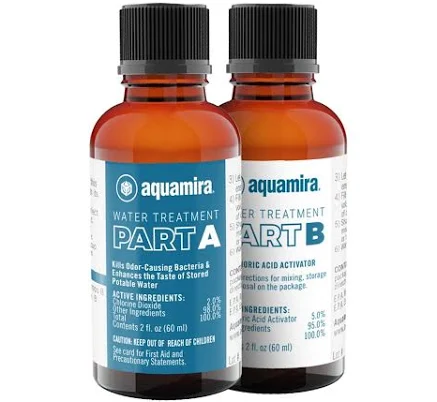
- glass bottles, sodium dichloroisocyanurate treatment chemical
- We found no PFAS statement from the brand
- Chemical overdose or misuse
5 hazards checked on this product, all on its full breakdown.

- Stainless steel housing and spigot
- We found no PFAS statement from the brand
- Bacterial growth and biofilm if filters not replaced
5 hazards checked on this product, all on its full breakdown.
- Borosilicate glass pitcher, replaceable activated-carbon filter cartridge
- Bacterial growth in filter cartridge if unmaintained
5 hazards checked on this product, all on its full breakdown.
More water filters grades
How we score, every product runs through the same public 0-100 rubric based on materials, coatings, brand disclosure, lab findings, and recalls. See the full methodology → Spotted a mistake? Report an error.