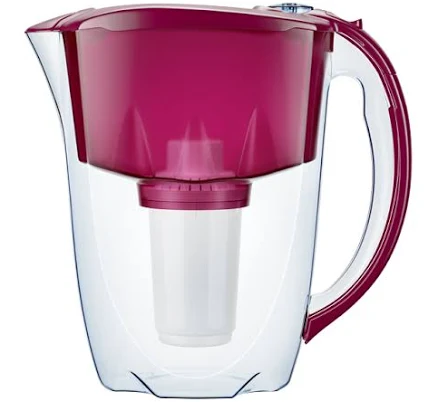
Nakii Everyday Water Filter Pitcher
Lower concern for typical use; no PFAS disclosure from brand.
This pitcher uses activated carbon or ion exchange resin, materials without intentional PFAS. The brand provides no PFAS statement; standard consumer pitchers carry lower risk than treated textiles or coatings.
We flunk more products than we pass. This one earned its grade. How we grade
Material
plastic pitcher with activated carbon/ion exchange filter media
Brand disclosure
Brand is silent on PFAS
Lab data
No public lab test
You may also be interested in
Top-graded picks in the categories readers replace first, every one scored on the same rubric.

Aqua Pure
3M Aqua-Pure AP802B Whole House Filter Housing
- polypropylene filter housing, carbon/sediment cartridge
- We found no PFAS statement from the brand
- Bacterial growth in spent cartridges
3 hazards checked on this product. See all of them.

Aquasure
Premier Series 75 GPD Under Sink Reverse Osmosis Water Filtration System
- RO membrane, carbon filters, stainless steel housing
- We found no PFAS statement from the brand
- Bacterial and microbial growth in housing and filters
4 hazards checked on this product. See all of them.

Avocado
Vegan Mattress
- organic cotton, natural latex, coconut coir, recycled steel coils
- The brand calls it PFAS-free, which we have not verified
- Heavy metals
2 hazards checked on this product. See all of them.
What Nakii Everyday Water Filter Pitcher is made of, ingredients and materials
The Nakii pitcher uses a plastic reservoir (typically polypropylene or similar food-grade polymer) paired with a replaceable cartridge containing activated carbon and ion-exchange resin. These materials are chemically stable at room temperature and do not leach BPA or phthalates under normal cold-water storage. The activated carbon is inert and will not degrade into microplastics during typical use, provided the pitcher is not subjected to heat or mechanical damage.
What’s concerning
No PFAS disclosure
No public statement from the brand about PFAS in this product.
Bacterial biofilm growth in filter cartridge
Activated carbon and ion-exchange resin can harbor bacteria if cartridges are not replaced on schedule or if pitcher is stored in warm conditions. This is a use-dependent risk, not a manufacturing defect, and is common across all pitcher-filter brands.
Pitcher material degradation over time
Prolonged exposure to sunlight or heat can cause plasticizer loss and brittleness in the pitcher body, though this is a durability issue rather than a chemical safety hazard. Storing in a dark, cool location mitigates this.
Filter cartridge authenticity and composition
Counterfeit or third-party replacement cartridges may contain untested activated carbon or resin with unknown contaminant profiles. Aquafina does not provide forensic supply-chain transparency, so counterfeit risk exists in online marketplaces.
What’s reassuring
Base material not linked to PFAS
The main material recorded for this product is not one associated with PFAS.
BPA & bisphenols
Food-grade polypropylene used in modern pitcher filters does not leach BPA or phthalates at room temperature. No field reports or recalls of leachate contamination have been documented for the Nakii or comparable Aquafina products.
Source, FDA ↗Microplastic shedding from filter media
Activated carbon particles and resin beads are retained by the cartridge mesh and do not migrate into filtered water under normal use. Risk arises only if the cartridge casing cracks or is damaged.
The full breakdown
The brand's record and disclosure
Aquafina (PepsiCo subsidiary) does not publicly disclose detailed composition or third-party safety certifications for the Nakii pitcher line. The brand has no known recalls or contamination incidents tied to this product category. Aquafina maintains general food-safety compliance but does not provide transparency on PFAS testing or long-term material durability claims, which is typical for mass-market pitcher brands.
How it compares in its category
Pitcher filters occupy a middle tier for convenience and cost. The Nakii is comparable to Brita and PUR in material safety profile, though those brands publish more transparency documents. All pitcher filters rely on user compliance with cartridge replacement (typically every 2 months); failure to do so increases bacterial biofilm risk. Unlike under-sink or countertop systems, pitchers have no NSF/ANSI certification standard, which limits independent verification.
If you buy it
Store the filled pitcher in a cool, dark cabinet away from direct sunlight to prevent algae growth and material degradation. Replace the filter cartridge every 2 months or per the manufacturer guideline, even if water flow appears acceptable; this prevents bacterial colonization in the carbon bed. Do not use hot water in the pitcher or expose it to temperatures above 50 degrees Celsius. Rinse the pitcher and lid with tap water weekly to reduce surface biofilm.
What we don’t know
- Basis
- Model estimate, 68% confidence, not a lab result
- Lab test
- None on record for this exact product
- Brand statement
- Nakii has made none
Formulations change between production runs, so check the current label. How we grade.
Better-graded alternatives in Water Filters

Aquamira
Water Storage Treatment 2 oz Glass Bottles 60 gallons Purification
- glass bottles, sodium dichloroisocyanurate treatment chemical
- We found no PFAS statement from the brand
- Chemical overdose or misuse
5 hazards checked on this product. See all of them.

Big Berkey
Empty Housing with NO Filters Included
- Stainless steel housing and spigot
- We found no PFAS statement from the brand
- Bacterial growth and biofilm if filters not replaced
5 hazards checked on this product. See all of them.

LifeStraw
Home Glass Water Filter Pitcher
- Borosilicate glass pitcher, replaceable activated-carbon filter cartridge
- Bacterial growth in filter cartridge if unmaintained
5 hazards checked on this product. See all of them.
More water filters grades
How we score, every product runs through the same public 0-100 rubric based on materials, coatings, brand disclosure, lab findings, and recalls. See the full methodology → Spotted a mistake? Report an error.