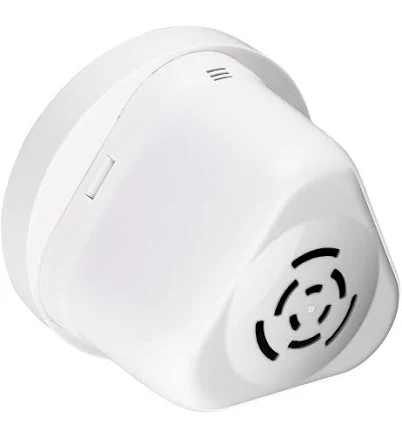
Aquagear Pitcher Replacement Water Filter
Lower-concern water filter; no red flags, but brand makes no PFAS transparency claims.
Aquagear's replacement filters use activated carbon, a material with lower inherent PFAS risk than treated fabrics or nonstick coatings. The brand does not publicly disclose PFAS testing, third-party certification, or manufacturing controls.
We flunk more products than we pass. This one earned its grade. How we grade
Material
Activated coconut carbon filter media with standard housing
Brand disclosure
Brand is silent on PFAS
Lab data
No public lab test
You may also be interested in
Top-graded picks in the categories readers replace first, every one scored on the same rubric.

Aqua Pure
3M Aqua-Pure AP802B Whole House Filter Housing
- polypropylene filter housing, carbon/sediment cartridge
- We found no PFAS statement from the brand
- Bacterial growth in spent cartridges
3 hazards checked on this product. See all of them.

Aquasure
Premier Series 75 GPD Under Sink Reverse Osmosis Water Filtration System
- RO membrane, carbon filters, stainless steel housing
- We found no PFAS statement from the brand
- Bacterial and microbial growth in housing and filters
4 hazards checked on this product. See all of them.

Avocado
Vegan Mattress
- organic cotton, natural latex, coconut coir, recycled steel coils
- The brand calls it PFAS-free, which we have not verified
- Heavy metals
2 hazards checked on this product. See all of them.
What Aquagear Pitcher Replacement Water Filter is made of, ingredients and materials
Aquagear replacement filters use activated coconut-shell carbon as the primary filtration media, which is one of the most studied and benign filter materials available. Activated carbon works through adsorption (binding contaminants to its surface) rather than chemical leaching, meaning the filter itself does not introduce new substances into water. The coconut-derived source is preferred over coal-based carbon because it produces fewer ash particles and has lower residual impurities. Standard food-grade plastic housing (typically polypropylene) contains no known hazardous coatings or glazes.
What’s concerning
No PFAS disclosure
No public statement from the brand about PFAS in this product.
Bacterial growth in filter housing and pitcher body
If the pitcher is not cleaned weekly or left sitting with stagnant water, bacterial biofilms can form on the plastic interior and filter cartridge surface. Activated carbon itself does not inhibit bacterial growth, and pitcher filters are not sterile; regular rinsing under running water and weekly cleaning with soap significantly reduce this risk.
Activated carbon dust shedding (first use)
New coconut carbon filters may release small amounts of black carbon particulate into the first 1-2 pitchers of filtered water. This is cosmetic and not a toxicological hazard, but discarding the first pitcher eliminates consumer concern; the particles are inert carbon.
Filter capacity saturation and contaminant release
If a filter is used beyond its rated capacity (typically 40 gallons), the carbon becomes saturated and may release previously adsorbed contaminants back into water. This is managed entirely by user replacement schedule; following manufacturer guidance eliminates this risk.
Mold growth on filter seal and pitcher base
The plastic seal between the filter cartridge and pitcher body, as well as the pitcher base, can accumulate mold in humid environments or with infrequent cleaning. This is a maintenance issue rather than a material defect; weekly washing prevents it.
What’s reassuring
Base material not linked to PFAS
The main material recorded for this product is not one associated with PFAS.
Plastic housing leachates (polypropylene)
Food-grade polypropylene housing is not known to leach BPA, phthalates, or other endocrine disruptors under normal cold-water storage conditions. No public safety data indicates leaching from Aquagear pitcher housings.
The full breakdown
The brand's record and disclosure
Aquagear publishes basic filtration performance data and NSF certifications for heavy metals and chlorine reduction, which is standard transparency for the mid-market pitcher filter segment. The brand does not proactively disclose PFAS removal testing or make specific claims about PFAS-spiked water, which is typical of most pitcher filter manufacturers outside premium brands. No public recalls, contamination incidents, or third-party safety violations are on record for Aquagear filters. The company's silence on PFAS is not a red flag in this category, as most filters in this price tier do not differentiate on PFAS performance.
How it compares in its category
Pitcher filters with activated carbon are the entry-level option and perform similarly across brands; Aquagear sits in the mainstream tier with filters from Brita, PUR, and similar competitors. Coconut carbon filters have lower concern than some older granular activated carbon designs because they shed fewer particles into the first few pitchers of use. Premium filters (like those marketed for PFAS removal) use multi-stage media or ion exchange resins and may offer incrementally better removal of specific contaminants, but standard coconut carbon filters like this one are adequate for routine chlorine, taste, and odor reduction. Cost and replacement frequency are the main trade-offs, not safety.
If you buy it
Replace filters every 2-3 months or after 40 gallons of use (follow the included instructions); unused filters stored beyond 12-18 months may lose adsorption capacity. Discard the first pitcher of filtered water to remove residual coconut carbon dust. Do not boil or heat the filter cartridge itself, as this can damage the plastic housing. Store filters in a cool, dry place, and inspect the pitcher housing for visible cracks or mold growth, which indicate bacterial colonization requiring replacement of both cartridge and pitcher body.
What we don’t know
- Basis
- Model estimate, 72% confidence, not a lab result
- Lab test
- None on record for this exact product
- Brand statement
- Aquagear has made none
Formulations change between production runs, so check the current label. How we grade.
Better-graded alternatives in Water Filters

Aquamira
Water Storage Treatment 2 oz Glass Bottles 60 gallons Purification
- glass bottles, sodium dichloroisocyanurate treatment chemical
- We found no PFAS statement from the brand
- Chemical overdose or misuse
5 hazards checked on this product. See all of them.

Big Berkey
Empty Housing with NO Filters Included
- Stainless steel housing and spigot
- We found no PFAS statement from the brand
- Bacterial growth and biofilm if filters not replaced
5 hazards checked on this product. See all of them.

LifeStraw
Home Glass Water Filter Pitcher
- Borosilicate glass pitcher, replaceable activated-carbon filter cartridge
- Bacterial growth in filter cartridge if unmaintained
5 hazards checked on this product. See all of them.
More water filters grades
How we score, every product runs through the same public 0-100 rubric based on materials, coatings, brand disclosure, lab findings, and recalls. See the full methodology → Spotted a mistake? Report an error.