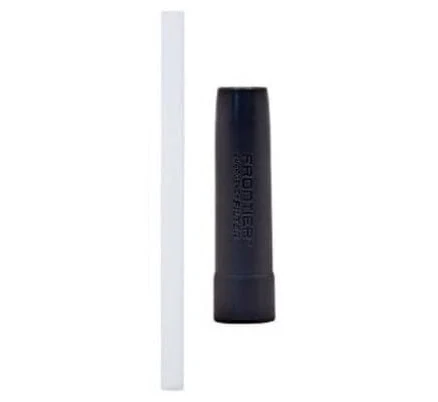
Aquamira Frontier Emergency Water Filtration and Straw
Lower PFAS concern for standard carbon and membrane filters, no disclosure.
Carbon and hollow-fiber membrane filters present lower PFAS risk. Aquamira doesn't disclose PFAS testing, which is standard for budget emergency filters.
We flunk more products than we pass. This one earned its grade. How we grade
Material
Activated carbon and hollow-fiber membrane filter media
Brand disclosure
Brand is silent on PFAS
Lab data
No public lab test
What Aquamira Frontier Emergency Water is made of, ingredients and materials
The Aquamira Frontier uses activated carbon (for chemical/taste/odor removal) and hollow-fiber membrane (for particulate and microbial filtration). Both are inert materials with decades of safety history in drinking water applications. Activated carbon does not leach harmful chemicals into water under normal use; hollow-fiber membrane is a plastic-based synthetic material that remains stable when water passes through it at low pressure and ambient temperature. No heating or food contact beyond filtered water occurs, eliminating common plastic hazard pathways.
What’s concerning
No PFAS disclosure
No public statement from the brand about PFAS in this product.
Bacterial growth in unmaintained filter cartridge
Hollow-fiber membranes can harbor biofilm if stored wet or used intermittently without replacement. This is not a manufacturing defect but a use/maintenance issue; regular replacement (100-200 gal) and dry storage eliminate the risk.
Membrane rupture or bypass from freezing or physical damage
Frozen water can crack the hollow-fiber bundle, allowing unfiltered water to pass through. Not a chemical hazard but a performance failure; preventable by storing above 32F and handling carefully.
Activated carbon dust or fines in first use
New activated carbon cartridges can shed fine black particles into the first few liters of filtered water. This is cosmetic and harmless but common; flush the filter with clean water before drinking if possible.
Loss of effectiveness against chemical contaminants over time
Activated carbon becomes saturated and loses capacity to remove pesticides, pharmaceuticals, and volatile organics after extended use or high contamination exposure. This is not a safety hazard but a performance decline; cartridge replacement addresses it.
What’s reassuring
Base material not linked to PFAS
The main material recorded for this product is not one associated with PFAS.
Leaching from plastic straw housing
The straw body is typically polypropylene or similar; no documented leaching of BPA, phthalates, or other chemicals into cold water at ambient temperature or in short-term emergency use scenarios.
The full breakdown
The brand's record and disclosure
Aquamira is owned by Katadyn Group (water treatment specialist) and is a recognized emergency filtration brand with no public safety recalls or hazard disclosures on record for this product line. The brand does not publish detailed chemical composition or third-party test certifications on the Frontier straw model; this is typical for affordable emergency filters but limits independent verification. No known controversies regarding manufacturing or material sourcing are documented.
How it compares in its category
Portable straw filters with carbon and membrane media present lower concern for chemical biocide exposure because they contain no chemical biocides (unlike chlorine dioxide tablets) and require no power or container contact with drinking water. The Frontier sits in the middle-cost tier; premium alternatives (LifeStraw Pro, Sawyer Squeeze) offer longer cartridge life and higher flow rates but use similar core filter chemistry. Budget alternatives may use thinner membranes prone to faster clogging but pose no additional safety risk.
If you buy it
Replace the cartridge every 100-200 gallons (or annually if unused) to prevent bacterial biofilm buildup inside the membrane, which is the primary maintenance hazard. Store dry between uses and do not expose to freezing (ice can rupture the hollow fiber). Do not attempt to clean by boiling or with harsh chemicals; backflush with clean water only per manual. If water tastes worse or flow drops sharply, discontinue use and replace the cartridge immediately.
What we don’t know
- Basis
- Model estimate, 72% confidence, not a lab result
- Lab test
- None on record for this exact product
- Brand statement
- Aquamira has made none
Formulations change between production runs, so check the current label. How we grade.
Better-graded alternatives in Water Filters
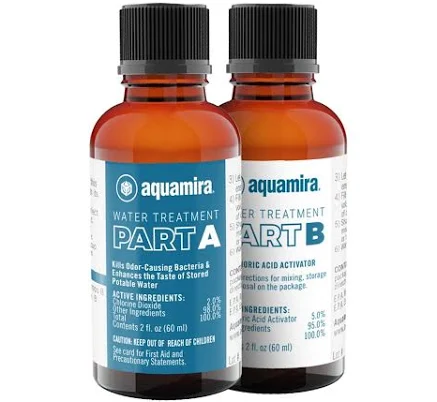
Aquamira
Water Storage Treatment 2 oz Glass Bottles 60 gallons Purification
- glass bottles, sodium dichloroisocyanurate treatment chemical
- We found no PFAS statement from the brand
- Chemical overdose or misuse
5 hazards checked on this product. See all of them.

Big Berkey
Empty Housing with NO Filters Included
- Stainless steel housing and spigot
- We found no PFAS statement from the brand
- Bacterial growth and biofilm if filters not replaced
5 hazards checked on this product. See all of them.
LifeStraw
Home Glass Water Filter Pitcher
- Borosilicate glass pitcher, replaceable activated-carbon filter cartridge
- Bacterial growth in filter cartridge if unmaintained
5 hazards checked on this product. See all of them.
More water filters grades
How we score, every product runs through the same public 0-100 rubric based on materials, coatings, brand disclosure, lab findings, and recalls. See the full methodology → Spotted a mistake? Report an error.