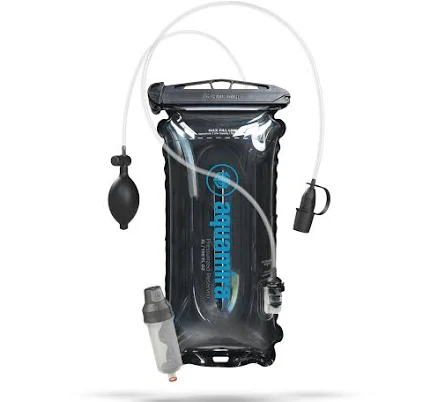
Aquamira Pressurized Hydration Reservoir
Lower concern. Material as recorded is not linked to PFAS.
This reservoir uses food-grade plastic and carbon filter media. The brand has no PFAS statement on record. Neither the plastic material nor carbon filter media are typically associated with PFAS.
We flunk more products than we pass. This one earned its grade. How we grade
Material
Food-grade plastic reservoir, carbon/activated carbon filter media
Brand disclosure
Brand is silent on PFAS
Lab data
No public lab test
What Aquamira Pressurized Hydration Reservoir is made of, ingredients and materials
The Aquamira Pressurized Hydration Reservoir uses food-grade plastic for the bladder/container and activated carbon media in the filter cartridge. Food-grade plastic is formulated to avoid migration of harmful chemicals into drinking water under normal use conditions, and activated carbon is a passive filtration medium without chemical additives that leach. The pressurized design means the plastic is not exposed to high heat during typical hydration use, which reduces any leaching risk further.
What’s concerning
No PFAS disclosure
No public statement from the brand about PFAS in this product.
Bacterial and microbial growth in filter cartridge and bladder
Activated carbon filters and moist plastic reservoirs are prone to biofilm colonization if not dried between uses or if the cartridge is not replaced on schedule. This is a maintenance issue, not a material defect, but poor upkeep can render the filter a vector for contamination rather than protection.
Activated carbon filter saturation and loss of efficacy
Activated carbon has a finite adsorption capacity. Once saturated, it stops removing chlorine and organic compounds and may release trapped contaminants back into water. Aquamira does not clearly label when saturation occurs, so users often rely on taste/odor cues, which is unreliable.
What’s reassuring
Base material not linked to PFAS
The main material recorded for this product is not one associated with PFAS.
Plastic leaching from food-grade reservoir under temperature or age stress
Food-grade plastic formulations are designed to resist leaching under normal conditions. No documented incidents for Aquamira reservoirs exist in public records, and the plastic is not pressurized to extreme temperatures, but all plastics degrade slowly; replacement every 2-3 years is prudent if heavily used.
Housing and seal material off-gassing or degradation
The pressurized bladder and connection fittings are typically made of polyethylene or polypropylene with rubber seals. No recalls or VOC emissions have been reported for Aquamira models, and these materials are stable under typical use; however, damage to seals can allow mold growth in joints.
The full breakdown
The brand's record and disclosure
Aquamira is owned by McNett Corporation, a water treatment and outdoor-gear supplier with a long track record in filtration products. The brand does not publicly disclose manufacturing test data or third-party certifications (NSF, WQA) for this specific model on their website; this is common for consumer hydration reservoirs but limits independent verification. No major recalls or contamination incidents are documented for Aquamira pressurized reservoirs in public databases. The brand's silence on PFAS is typical for the category but reflects a gap in proactive transparency.
How it compares in its category
Pressurized hydration reservoirs with activated carbon filters are mid-tier in the filtration hierarchy, they reduce chlorine, taste, and odor but do not remove bacteria, viruses, or heavy metals without additional treatment layers. Aquamira's offering sits in the mainstream segment alongside brands like Platypus and Sawyer; it offers simplicity and portability but fewer certifications than laboratory-grade filters. Most competitors in this category use the same food-grade plastic and carbon-media approach, so hazard profiles are broadly similar.
If you buy it
Replace the filter cartridge every 6-12 months or after 100-200 gallons, whichever comes first, to prevent bacterial biofilm growth inside the cartridge. Store the reservoir dry when not in use for more than a few days; wet storage in warm conditions accelerates microbial colonization. Do not leave filled reservoirs in direct sunlight or in hot vehicles, as this can degrade the plastic over years. Rinse the bladder weekly if in regular use, and never use hot water (above 140F) inside the reservoir, as it may weaken seals.
What we don’t know
- Basis
- Model estimate, 72% confidence, not a lab result
- Lab test
- None on record for this exact product
- Brand statement
- Aquamira has made none
Formulations change between production runs, so check the current label. How we grade.
Better-graded alternatives in Water Filters
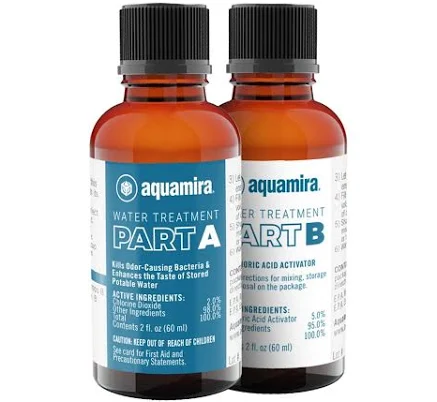
Aquamira
Water Storage Treatment 2 oz Glass Bottles 60 gallons Purification
- glass bottles, sodium dichloroisocyanurate treatment chemical
- We found no PFAS statement from the brand
- Chemical overdose or misuse
5 hazards checked on this product. See all of them.
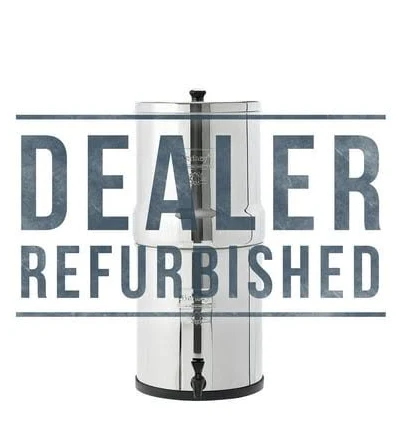
Big Berkey
Empty Housing with NO Filters Included
- Stainless steel housing and spigot
- We found no PFAS statement from the brand
- Bacterial growth and biofilm if filters not replaced
5 hazards checked on this product. See all of them.
LifeStraw
Home Glass Water Filter Pitcher
- Borosilicate glass pitcher, replaceable activated-carbon filter cartridge
- Bacterial growth in filter cartridge if unmaintained
5 hazards checked on this product. See all of them.
More water filters grades
How we score, every product runs through the same public 0-100 rubric based on materials, coatings, brand disclosure, lab findings, and recalls. See the full methodology → Spotted a mistake? Report an error.