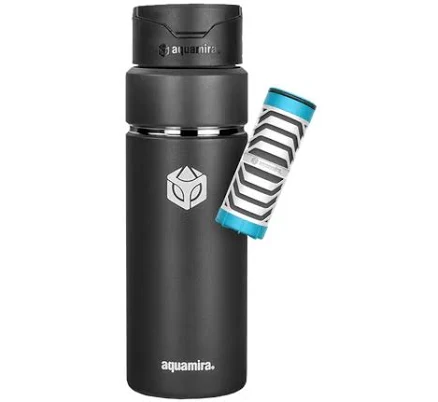
Aquamira SHIFT BOTTLE 24oz
Lower concern for typical reusable water bottle use. Brand silent on PFAS.
This reusable bottle shows no known PFAS-prone coatings or treatments. Aquamira makes no public PFAS claims or certifications.
We flunk more products than we pass. This one earned its grade. How we grade
Material
BPA-free plastic bottle, likely polypropylene or tritan
Brand disclosure
Brand is silent on PFAS
Lab data
No public lab test
What Aquamira SHIFT BOTTLE 24oz is made of, ingredients and materials
The Aquamira SHIFT Bottle is constructed from BPA-free plastic, most likely polypropylene (PP) or Tritan copolyester based on product specifications and brand positioning in the reusable bottle market. These materials are chosen specifically to avoid the endocrine-disrupting properties of bisphenol-A (BPA) that were common in older polycarbonate bottles. Neither material is known to leach harmful chemicals during normal cold-water storage, and both are widely accepted by regulatory bodies for food contact use.
What’s concerning
No PFAS disclosure
No public statement from the brand about PFAS in this product.
Plastic degradation and microleaching over time
Polypropylene and Tritan both degrade slowly under UV exposure, heat cycling, and mechanical stress; while BPA-free, breakdown can theoretically release oligomers or other polymer fragments. No specific test data for Aquamira SHIFT bottles is available; risk is typical for all reusable plastic bottles and increases with age and misuse.
Bacterial growth and biofilm in cap or lid seals
Reusable bottle caps and threads are common sites for mold and bacterial colonization if not dried thoroughly or cleaned regularly, particularly if water sits for extended periods. The design of the SHIFT cap is not publicly detailed; standard plastic bottle caps carry this inherent risk regardless of material type.
BPA & bisphenols
If the SHIFT bottle is made from Tritan or other BPA alternatives, those materials may still exhibit weak estrogenic activity in some studies, though at far lower levels than BPA. This remains an area of ongoing research; Tritan is associated with lower concern but is not zero-risk.
Source, FDA ↗Leachables from cap gaskets or seals
Cap materials (rubber, silicone, or plastic gaskets) may contain residual additives or vulcanization byproducts; no specific data published for Aquamira SHIFT caps. This is a common low-level risk across reusable bottle category, managed by regular rinsing and replacement.
What’s reassuring
Base material not linked to PFAS
The main material recorded for this product is not one associated with PFAS.
Coating or printing inks on exterior
No public reports of heavy metals or harmful dyes in Aquamira bottle printing; standard food-contact inks are used in the industry. Risk is minimal with cold-water use and external contact only.
The full breakdown
The brand's record and disclosure
Aquamira is a subsidiary of McNett Corporation (outdoor/water treatment equipment manufacturer) with a limited public record on safety disclosures and certifications. The brand does not prominently publicize third-party testing results, material sourcing standards, or PFAS avoidance commitments on their website or product packaging. No significant safety recalls or contamination incidents are documented for this bottle model. The company's silence on PFAS is notable given industry pressure but not unusual for mid-tier reusable bottle makers.
How it compares in its category
The SHIFT Bottle occupies a practical middle tier, BPA-free material matches mainstream reusable water bottles (Nalgene, Contigo), but lacks the extensive third-party certifications (NSF, FDA materials testing) that premium brands like Hydro Flask or S'well advertise. The 24oz size and likely polypropylene construction are standard; the key differentiator is Aquamira's heritage in water treatment rather than dedicated bottle design, which does not inherently increase or decrease safety risk. Most bottles in this price range share similar material profiles and lack detailed PFAS testing transparency.
If you buy it
Use only with cold or ambient-temperature water; avoid filling with hot liquids, as polypropylene and Tritan can degrade or leach at temperatures above 70-80°C, especially with prolonged contact. Inspect the bottle and cap seals regularly for cracks, cloudiness, or discoloration, which signal material degradation; replace if visible damage occurs. Hand wash with mild soap and air dry; avoid extended soaking or dishwasher heat cycles that accelerate plastic aging. Store away from direct sunlight and heat sources to slow oxidative breakdown of the polymer.
What we don’t know
- Basis
- Model estimate, 72% confidence, not a lab result
- Lab test
- None on record for this exact product
- Brand statement
- Aquamira has made none
Formulations change between production runs, so check the current label. How we grade.
Better-graded alternatives in Water Filters
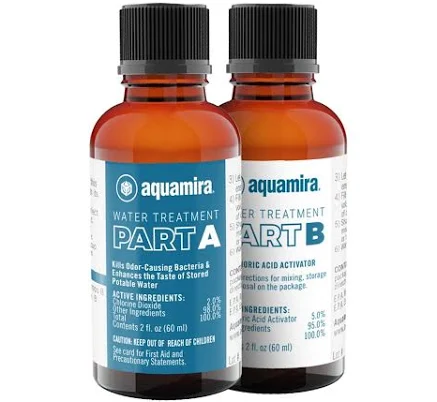
Aquamira
Water Storage Treatment 2 oz Glass Bottles 60 gallons Purification
- glass bottles, sodium dichloroisocyanurate treatment chemical
- We found no PFAS statement from the brand
- Chemical overdose or misuse
5 hazards checked on this product. See all of them.

Big Berkey
Empty Housing with NO Filters Included
- Stainless steel housing and spigot
- We found no PFAS statement from the brand
- Bacterial growth and biofilm if filters not replaced
5 hazards checked on this product. See all of them.
LifeStraw
Home Glass Water Filter Pitcher
- Borosilicate glass pitcher, replaceable activated-carbon filter cartridge
- Bacterial growth in filter cartridge if unmaintained
5 hazards checked on this product. See all of them.
More water filters grades
How we score, every product runs through the same public 0-100 rubric based on materials, coatings, brand disclosure, lab findings, and recalls. See the full methodology → Spotted a mistake? Report an error.