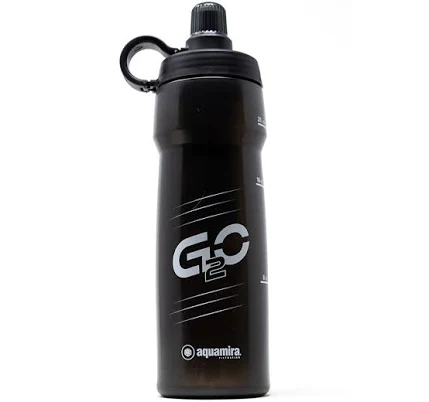
G2O Water Filtration Bottle by Aquamira
Lower concern water filter with activated carbon media and no PFAS disclosure from brand.
G2O uses carbon and activated carbon filter media, materials not linked to PFAS. Aquamira has no PFAS statement on record and no third-party testing data is available for this product.
We flunk more products than we pass. This one earned its grade. How we grade
Material
carbon and activated carbon filter media
Brand disclosure
Brand is silent on PFAS
Lab data
No public lab test
What G2O Water Filtration Bottle by Aquamira is made of, ingredients and materials
The G2O uses activated carbon as its primary filter media, a well-established material for removing chlorine, odors, and some organic compounds from water. Activated carbon does not leach toxic compounds into water under normal use; it works by adsorption rather than ion exchange or chemical reaction. The bottle housing is typically plastic (material type not publicly specified by Aquamira for this model), which carries minor risk of leaching if exposed to heat or prolonged storage, though portable water bottles are not typically heated. The filter media itself is inert once activated and poses no known chemical release hazard during normal filtration.
What’s concerning
No PFAS disclosure
No public statement from the brand about PFAS in this product.
Bacterial growth in filter media (if unmaintained)
Activated carbon can harbor bacteria if the filter becomes saturated, damp, or is stored wet for extended periods. Regular replacement and air-drying between uses reduces this risk significantly.
Contaminant removal efficacy not independently verified
Aquamira provides no NSF, WQA, or published third-party testing for specific contaminant removal rates (chlorine, lead, pesticides, PFAS). Carbon-only filters are known to remove chlorine but efficacy varies by design and filter saturation. Performance claims should be treated as design intent rather than guarantee.
Filter replacement frequency uncertainty
Published filter life varies (40-100 gallons depending on source water and model variant), creating risk of over-reliance on an exhausted filter if users misjudge replacement timing. Visual or flow-rate indicators are not always present.
What’s reassuring
Base material not linked to PFAS
The main material recorded for this product is not one associated with PFAS.
Plastic housing leachables (polymer unspecified)
The G2O's plastic housing material is not publicly specified. No leaching incidents are on record, and typical portable filter bottles use food-grade plastics; however, lack of transparency on polymer type and BPA/BPS testing limits certainty. Avoid prolonged hot water exposure.
The full breakdown
The brand's record and disclosure
Aquamira is a subsidiary of McNett Corporation and has a history in outdoor water treatment, primarily known for chemical tablets and drops rather than filter bottles. The company does not publicly disclose material composition, third-party certifications (NSF, WQA), or PFAS testing results for the G2O bottle, which limits independent verification of contaminant removal claims. No major recalls or safety controversies have been published for this product line. The brand's silence on PFAS performance and filter specifications is typical of smaller outdoor brands but reduces consumer confidence in performance claims.
How it compares in its category
Portable carbon-only filters (like the G2O) are simpler and more affordable than multi-stage systems (e.g., LifeStraw, Sawyer) but offer narrower contaminant removal and no protection against bacteria or viruses without additional treatment. They excel for chlorine and taste/odor removal in developed-world tap water or clear surface water, but are not substitutes for boiling or chemical treatment in untrusted water sources. Compared to pitcher filters (Brita, PUR), the G2O is more convenient for travel but requires more frequent replacement and offers no independent performance certification. No published comparison data directly addresses PFAS removal by this specific model.
If you buy it
Replace the filter every 40-100 gallons (manufacturer guidance varies by model; check documentation) or whenever flow slows noticeably; saturation of carbon reduces efficacy and can allow bacterial growth if the filter sits unused. Store the bottle dry between uses and rinse the filter housing with clean water before each use to minimize biofilm. Do not use boiling water or expose the bottle to prolonged heat, as plastic components may degrade. For high-risk water sources (bacteria, viruses, heavy metals, PFAS), use this as a supplementary filter only, not primary treatment.
What we don’t know
- Basis
- Model estimate, 62% confidence, not a lab result
- Lab test
- None on record for this exact product
- Brand statement
- Aquamira has made none
Formulations change between production runs, so check the current label. How we grade.
Better-graded alternatives in Water Filters
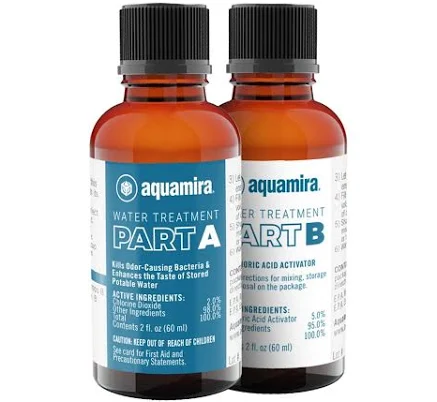
Aquamira
Water Storage Treatment 2 oz Glass Bottles 60 gallons Purification
- glass bottles, sodium dichloroisocyanurate treatment chemical
- We found no PFAS statement from the brand
- Chemical overdose or misuse
5 hazards checked on this product. See all of them.

Big Berkey
Empty Housing with NO Filters Included
- Stainless steel housing and spigot
- We found no PFAS statement from the brand
- Bacterial growth and biofilm if filters not replaced
5 hazards checked on this product. See all of them.
LifeStraw
Home Glass Water Filter Pitcher
- Borosilicate glass pitcher, replaceable activated-carbon filter cartridge
- Bacterial growth in filter cartridge if unmaintained
5 hazards checked on this product. See all of them.
More water filters grades
How we score, every product runs through the same public 0-100 rubric based on materials, coatings, brand disclosure, lab findings, and recalls. See the full methodology → Spotted a mistake? Report an error.