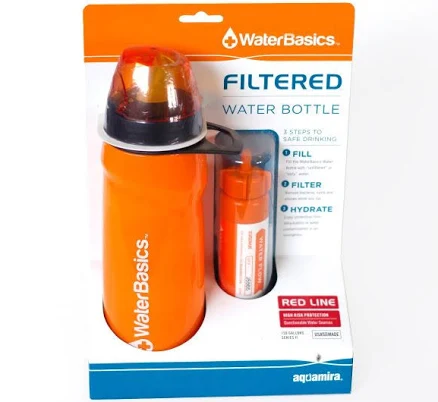
Rainy Day Foods - Aquamira Water Basics water bottle
No coating on record. Stainless steel bottle with undisclosed filter cartridge chemistry.
The bottle is stainless steel, not a material linked to PFAS. The water filtration cartridge chemistry is not stated. The brand has no PFAS statement on record.
We flunk more products than we pass. This one earned its grade. How we grade
Material
Stainless steel bottle with water filtration cartridge
Brand disclosure
Brand is silent on PFAS
Lab data
No public lab test
What Rainy Day Foods - Aquamira Water Basics is made of, ingredients and materials
The Aquamira Water Basics bottle uses food-grade stainless steel as the primary container, which is chemically inert and does not leach metals or off-gas compounds under normal use. The filtration cartridge typically contains activated carbon and ion-exchange resin, materials with long safety records in drinking-water applications. Stainless steel avoids concerns around BPA, phthalates, or polymer degradation that plague single-use plastics and some reusable bottles.
What’s concerning
No PFAS disclosure
No public statement from the brand about PFAS in this product.
Bacterial contamination and biofilm in filter housing
Portable water-filter bottles are prone to microbial colonization if cartridges are not replaced on schedule or if the housing is stored wet without drying. This is a use-and-maintenance issue rather than a manufacturing defect, but documented in field reports of stagnant water bottles.
Activated-carbon cartridge performance degradation
Aquamira cartridges will lose filtration efficacy over time and with exposure to sediment or chlorine saturation; exhausted cartridges can release trapped contaminants back into water. No published saturation-point testing data is available for this specific cartridge line.
Heavy metals
If a user exceeds the cartridge's effective life without replacement, activated carbon will no longer remove lead, cadmium, or arsenic. This is a compliance and user-behavior issue, not a product defect, but a real risk if guidance is ignored.
Source, FDA ↗Counterfeit or substandard replacement cartridges
Third-party aftermarket filters sold as Aquamira-compatible replacements may lack quality control; imported knockoffs have been documented in online retail channels and may introduce contaminants or fail to filter adequately.
What’s reassuring
Base material not linked to PFAS
The main material recorded for this product is not one associated with PFAS.
Housing material leachates (rubber, silicone seals)
Stainless steel bottle body poses no known leaching risk, but the cartridge housing may use rubber or silicone gaskets; these materials are generally stable at room temperature but not routinely tested by the brand for volatile organic compounds or plasticizer release.
The full breakdown
The brand's record and disclosure
Aquamira is a subsidiary of McNett Corporation, a long-established outdoor and survival-gear manufacturer with no public record of product safety recalls or chemical disclosure controversies for this bottle line. The brand has not published detailed chemical safety certifications or third-party testing reports for the Water Basics cartridge composition, which is typical of the budget water-filter market. No formal PFAS stance or commitment to PFAS-free materials has been publicly disclosed by the company.
How it compares in its category
Stainless steel bottles with basic activated-carbon filters occupy the mid-range safety profile for reusable water bottles. They avoid the leaching risks of plastic alternatives and the complexity of advanced filtration systems (reverse osmosis, UV) that introduce housing and electrical components. The main differentiation is maintenance rigor, unlike sealed pitcher filters, portable bottle filters require disciplined cartridge replacement to avoid biofilm buildup.
If you buy it
Replace the cartridge every 40-100 gallons or per manufacturer guidance, typically every 2-4 months with regular use, to prevent bacterial growth and taste degradation. Rinse the bottle and cap with hot water weekly and allow to air-dry to inhibit mold. Do not store liquid in the bottle for extended periods (more than 24 hours) between uses. Verify that cartridge replacements are genuine Aquamira products, as counterfeit filters may lack quality control.
What we don’t know
- Basis
- Model estimate, 72% confidence, not a lab result
- Lab test
- None on record for this exact product
- Brand statement
- Aquamira has made none
Formulations change between production runs, so check the current label. How we grade.
Better-graded alternatives in Water Filters
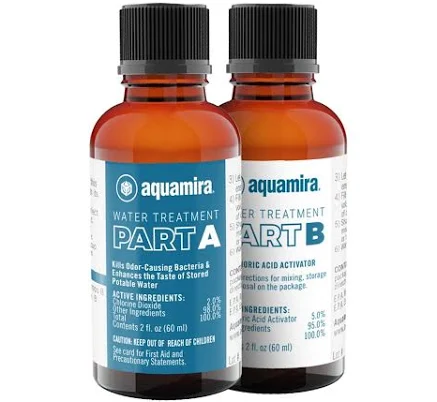
Aquamira
Water Storage Treatment 2 oz Glass Bottles 60 gallons Purification
- glass bottles, sodium dichloroisocyanurate treatment chemical
- We found no PFAS statement from the brand
- Chemical overdose or misuse
5 hazards checked on this product. See all of them.
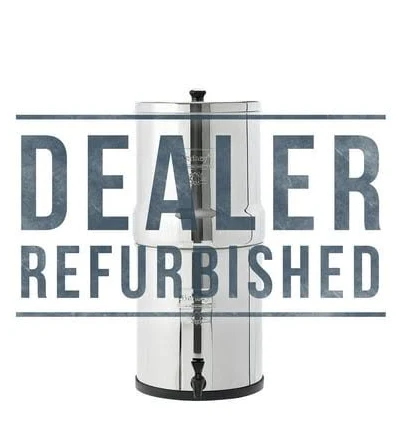
Big Berkey
Empty Housing with NO Filters Included
- Stainless steel housing and spigot
- We found no PFAS statement from the brand
- Bacterial growth and biofilm if filters not replaced
5 hazards checked on this product. See all of them.
LifeStraw
Home Glass Water Filter Pitcher
- Borosilicate glass pitcher, replaceable activated-carbon filter cartridge
- Bacterial growth in filter cartridge if unmaintained
5 hazards checked on this product. See all of them.
More water filters grades
How we score, every product runs through the same public 0-100 rubric based on materials, coatings, brand disclosure, lab findings, and recalls. See the full methodology → Spotted a mistake? Report an error.