
HOKA · Synthetic Athletic Wear
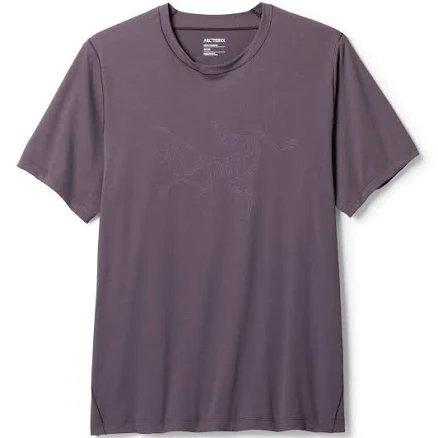
Hoka Men's GlideTech Short Sleeve Shirt
water-repellent coating-treated athletic wear, PFAS risk unconfirmed but likely present.
GlideTech Short Sleeve has polyester with water-repellent coating finish. Hoka has not disclosed PFAS use or absence; water-repellent coating-coated athletic wear commonly contains fluorinated repellents.
Still want this one anyway? Check the price on Amazon. We’d swap it.
Material
Polyester with water-repellent coating (water-repellent coating) finish
Brand disclosure
Brand is silent on PFAS
Lab data
No public lab test
You may also be interested in
Top-graded picks in the categories readers replace first, every one scored on the same rubric.

- polypropylene filter housing, carbon/sediment cartridge
- We found no PFAS statement from the brand
- Bacterial growth in spent cartridges
3 hazards checked on this product, all on its full breakdown.

Aquasure
Premier Series 75 GPD Under Sink Reverse Osmosis Water Filtration System
- RO membrane, carbon filters, stainless steel housing
- We found no PFAS statement from the brand
- Bacterial and microbial growth in housing and filters
4 hazards checked on this product, all on its full breakdown.

Avocado
Vegan Mattress
- organic cotton, natural latex, coconut coir, recycled steel coils
- The brand calls it PFAS-free, which we have not verified
- Heavy metals
2 hazards checked on this product, all on its full breakdown.
What Hoka Men's GlideTech Short Sleeve Shirt is made of, ingredients and materials
The GlideTech shirt is polyester with a water-repellent coating (water-repellent coating) finish applied to the fabric surface. water-repellent coating coatings on athletic wear traditionally use fluorochemical compounds to repel moisture, though HOKA has not publicly disclosed whether their formulation uses PFAS-based or PFAS-free alternatives. Polyester itself is chemically stable during normal wear, but the finish durability and composition after repeated washing is not documented by the brand.
What’s concerning
Category baseline
The starting point for this type of product, before anything specific to this product is counted.
No PFAS disclosure
No public statement from the brand about PFAS in this product.
Waterproof / stain-resistant treatment
Water-repellent coating treatments have historically used PFAS.
Antimony catalyst residue in polyester
Polyester is synthesized with antimony as a catalyst; trace residues can remain in the final fiber. HOKA does not publish antimony testing or removal protocols. Exposure during wear is considered minimal by regulatory bodies, but long-term skin contact is not quantified for this specific shirt.
Formaldehyde / VOCs
Some water-repellent coating and wrinkle-resistant finishes use formaldehyde-based resins, though modern athletic wear increasingly uses formaldehyde-free alternatives. HOKA's finish formulation is not disclosed, so presence cannot be ruled out.
Source, ATSDR ↗Microfiber shedding during laundering
Polyester athletic garments shed microplastics during washing, a documented phenomenon across the category. Wear and washing frequency drive shedding rate; this shirt will shed fibers in standard laundering. Microplastic risk to environment is established; human health impact from wearing the shirt itself is not.
Coating degradation and leaching after repeated washing
Water-repellent coating finishes are not permanent and degrade with laundering cycles. As the coating breaks down, any residual monomers or additives could theoretically leach, though no data exists for HOKA products specifically. Washing frequency and water hardness affect degradation rate.
What’s reassuring
Azo dyes in polyester
No recalls or public testing data specific to HOKA GlideTech shirts for azo dye content. Polyester dyeing typically uses lower-risk colorants than natural fibers, but brand does not disclose dye chemistry.
How is this PFAS grade calculated?
The brand's record and disclosure
HOKA (a Decathlon-owned running brand) has not published detailed chemical disclosures or sustainability certifications specific to PFAS avoidance in apparel. The company does not appear on lists of brands with confirmed PFAS-free commitments or third-party chemical testing for this product line. Without direct manufacturer transparency, the water-repellent coating chemistry remains assumed rather than confirmed.
How it compares in its category
Most polyester athletic shirts with water-repellent coating finishes carry similar unconfirmed PFAS risk unless explicitly labeled PFAS-free or certified by organizations like Bluesign or GOTS. HOKA's positioning is typical for mid-range performance wear, offering function over documented chemical safety. Brands like Patagonia and some Decathlon house labels now offer PFAS-free water-repellent coating options, making this shirt less distinctive on that dimension.
If you buy it
Wash in cool water and avoid high-heat drying, as heat can accelerate any potential leaching from coatings. Inspect seams and surface finish annually for peeling or degradation, especially after 50+ washes, and retire the shirt if the water-repellent coating layer delaminates. Avoid washing with other delicate items if the coating is visibly flaking. Standard gentle detergent and air drying will extend both garment life and minimize any chemical exposure pathways.
What is not known about PFAS in this product?
- Basis
- Model estimate, 45% confidence, not a lab result
- Lab test
- None on record for this exact product
- Brand statement
- HOKA has made none
Formulations change between production runs, so check the current label. How we grade.
What are the PFAS-free alternatives to Hoka Men's GlideTech Short Sleeve Shirt?
- 100% polyester knit, no water-repellent treatment
- Heavy metals
3 hazards checked on this product, all on its full breakdown.
Find an alternative on Amazon
- polyester/nylon blend, no specified water repellent finish
- We found no PFAS statement from the brand
- Antimony in polyester
2 hazards checked on this product, all on its full breakdown.
Find an alternative on Amazon
- polyester blend knit
- We found no PFAS statement from the brand
- Antimony in polyester
3 hazards checked on this product, all on its full breakdown.
Find an alternative on AmazonMore synthetic athletic wear grades
How we score, every product runs through the same public 0-100 rubric based on materials, coatings, brand disclosure, lab findings, and recalls. See the full methodology → Spotted a mistake? Report an error.