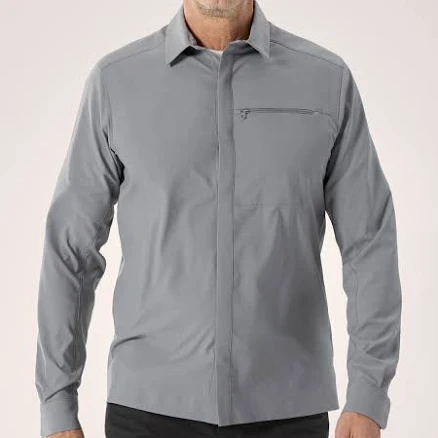
Arc'teryx · Synthetic Athletic Wear
Arc teryx Skyline Shirt Men's
High risk due to likely fluorochemical water-repellent coating finish without brand transparency.
Standard water-repellent coating water-repellent finishes on this polyester-nylon blend typically contain fluorochemicals. Arc'teryx hasn't publicly committed to or disclosed PFAS practices.
Still want this one anyway? Check the price on Amazon. We’d swap it.
Material
polyester/nylon blend with water-repellent coating water-repellent finish
Lab data
No public lab test
You may also be interested in
Top-graded picks in the categories readers replace first, every one scored on the same rubric.

- polypropylene filter housing, carbon/sediment cartridge
- We found no PFAS statement from the brand
- Bacterial growth in spent cartridges
3 hazards checked on this product, all on its full breakdown.

Aquasure
Premier Series 75 GPD Under Sink Reverse Osmosis Water Filtration System
- RO membrane, carbon filters, stainless steel housing
- We found no PFAS statement from the brand
- Bacterial and microbial growth in housing and filters
4 hazards checked on this product, all on its full breakdown.

Avocado
Vegan Mattress
- organic cotton, natural latex, coconut coir, recycled steel coils
- The brand calls it PFAS-free, which we have not verified
- Heavy metals
2 hazards checked on this product, all on its full breakdown.
What Arc teryx Skyline Shirt Men's is made of, ingredients and materials
The Skyline Shirt is a polyester/nylon blend, both synthetic polymers that are chemically stable and do not leach monomers under normal wear conditions. The water-repellent (water-repellent coating) coating applied to the fabric is the material of concern. Arc'teryx does not publicly specify whether their water-repellent coating treatment uses PFAS-based chemistry (common in performance apparel) or fluorine-free alternatives. The coating's durability and potential degradation over time, especially with washing and heat exposure, determines whether any coating materials could migrate.
What’s concerning
Category baseline
The starting point for this type of product, before anything specific to this product is counted.
No PFAS disclosure
No public statement from the brand about PFAS in this product.
Waterproof / stain-resistant treatment
Water-repellent coating treatments have historically used PFAS.
PFAS
Arc'teryx does not disclose water-repellent coating chemistry. PFAS-based water-repellent coating treatments are industry standard in premium apparel but not guaranteed in this product. Migration risk increases with washing, heat, and aging.
Source, ATSDR ↗water-repellent coating durability and degradation
All water-repellent coatings degrade with washing and heat. As the coating fragments, microparticles of the coating material may shed; if PFAS-based, this represents a cumulative exposure pathway over the garment lifetime.
What’s reassuring
Azo dyes (synthetic colorants)
Polyester apparel from major brands typically uses regulated azo dyes that do not release carcinogenic amines under normal use. No safety incidents or warnings are on record for Arc'teryx apparel.
Antimony in polyester (catalyst residue)
Antimony is occasionally used as a catalyst in polyester polymerization but is retained within polymer chains and does not migrate during wear or washing. Public health concern is minimal in finished garments from established manufacturers.
Formaldehyde / VOCs
Formaldehyde resins are used primarily in cotton and blended fabrics for wrinkle resistance. Pure or dominant polyester/nylon blends like this shirt typically contain minimal formaldehyde unless treated for shrinkage control, which is not standard for Arc'teryx performance apparel.
Source, ATSDR ↗How is this PFAS grade calculated?
The brand's record and disclosure
Arc'teryx is a subsidiary of Salomon (owned by Kering/Gucci Group) and has not published specific information about PFAS avoidance, phase-out timelines, or third-party certifications for water-repellent coating treatments on this product line. The brand maintains no public PFAS commitment comparable to some outdoor apparel competitors. This silence is notable in a category where PFAS disclosure has become increasingly standard among tier-one manufacturers.
How it compares in its category
Performance outdoor shirts typically use PFAS-based water-repellent coating (polyfluorinated compounds) or emerging fluorine-free alternatives (like hydrocarbon-based or polyurethane systems). Arc'teryx occupies the premium segment where both approaches appear, but their lack of transparency makes direct comparison difficult. Competitors like Patagonia and some Salewa lines explicitly market PFAS-free water-repellent coating; Arc'teryx does not.
If you buy it
Wash in cool water with neutral detergent to minimize coating stress and potential migration. Avoid high heat (dryer, ironing, direct sun for extended periods) as water-repellent coating coatings degrade faster at elevated temperatures. The water-repellent coating will lose effectiveness within 20-50 washes depending on care; reapplication products exist but reintroduce the same unknown PFAS exposure. If PFAS exposure is a priority concern, request material safety data or seek brands with explicit fluorine-free certifications.
What is not known about PFAS in this product?
- Basis
- Model estimate, 42% confidence, not a lab result
- Lab test
- None on record for this exact product
- Brand statement
- Arc'teryx has made a specific claim
Formulations change between production runs, so check the current label. How we grade.
What are the PFAS-free alternatives to Arc teryx Skyline Shirt Men's?
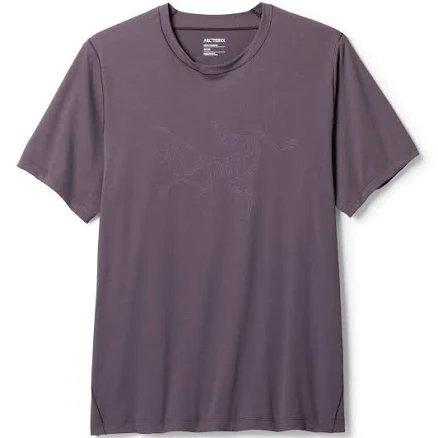
- 100% polyester knit, no water-repellent treatment
- Heavy metals
3 hazards checked on this product, all on its full breakdown.
Find an alternative on Amazon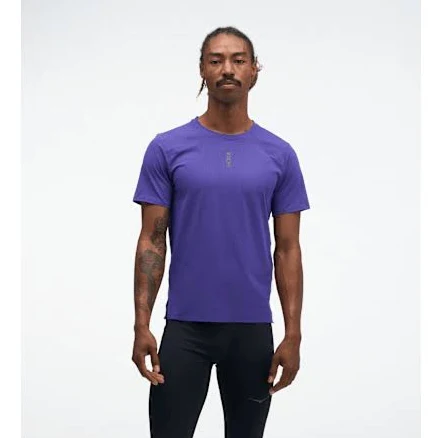
- polyester/nylon blend, no specified water repellent finish
- We found no PFAS statement from the brand
- Antimony in polyester
2 hazards checked on this product, all on its full breakdown.
Find an alternative on Amazon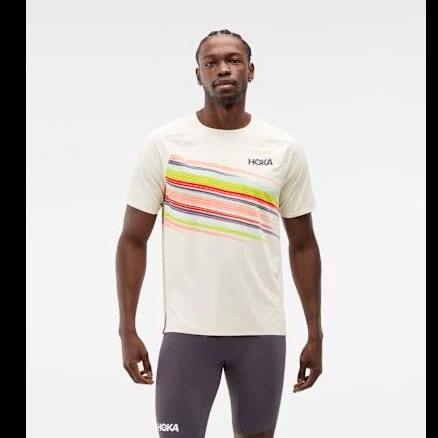
- polyester blend knit
- We found no PFAS statement from the brand
- Antimony in polyester
3 hazards checked on this product, all on its full breakdown.
Find an alternative on AmazonMore synthetic athletic wear grades
How we score, every product runs through the same public 0-100 rubric based on materials, coatings, brand disclosure, lab findings, and recalls. See the full methodology → Spotted a mistake? Report an error.