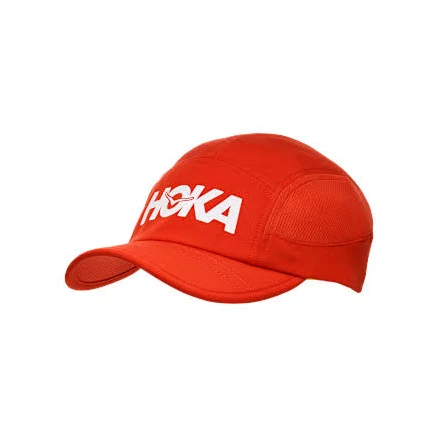
HOKA · Synthetic Athletic Wear
Hoka Run Hat
Wait for Hoka to disclose water-repellent coating chemistry or provide third-party testing.
Hoka does not reveal what chemicals treat this hat's water-repellent finish. Most athletic water-repellent coating treatments contain PFAS, making the actual risk unknown without transparency or lab data.
Still want this one anyway? Check the price on Amazon. We’d swap it.
Material
nylon mesh with water-repellent coating water-repellent treatment
Brand disclosure
Brand is silent on PFAS
Lab data
No public lab test
You may also be interested in
Top-graded picks in the categories readers replace first, every one scored on the same rubric.

- polypropylene filter housing, carbon/sediment cartridge
- We found no PFAS statement from the brand
- Bacterial growth in spent cartridges
3 hazards checked on this product, all on its full breakdown.

Aquasure
Premier Series 75 GPD Under Sink Reverse Osmosis Water Filtration System
- RO membrane, carbon filters, stainless steel housing
- We found no PFAS statement from the brand
- Bacterial and microbial growth in housing and filters
4 hazards checked on this product, all on its full breakdown.

Avocado
Vegan Mattress
- organic cotton, natural latex, coconut coir, recycled steel coils
- The brand calls it PFAS-free, which we have not verified
- Heavy metals
2 hazards checked on this product, all on its full breakdown.
What Hoka Run Hat is made of, ingredients and materials
The Hoka Run Hat is primarily nylon mesh with a water-repellent coating (water-repellent coating) finish applied to the exterior. Nylon itself is a stable, low-toxicity synthetic textile that does not leach significant chemicals under normal wear. The water-repellent coating treatment is the critical variable, traditional water-repellent coating formulations used on athletic hats have historically relied on PFOA or PFOS-class PFAS, though some brands have shifted to shorter-chain or non-fluorinated alternatives. Without Hoka's disclosure of which water-repellent coating chemistry is used, the contamination risk cannot be assessed.
What’s concerning
Category baseline
The starting point for this type of product, before anything specific to this product is counted.
No PFAS disclosure
No public statement from the brand about PFAS in this product.
Waterproof / stain-resistant treatment
Water-repellent coating treatments have historically used PFAS.
Formaldehyde / VOCs
Nylon textiles may contain residual formaldehyde from fabric finishing processes (shrink-proofing, wrinkle resistance). Levels in athletic mesh are typically low and reduce significantly after washing. Direct skin contact is minimal due to hat-wear positioning, but off-gassing during storage is possible.
Source, ATSDR ↗water-repellent coating fluorochemical leaching during washing and wear
Water-repellent coating-treated textiles are documented to release PFAS into wash water and potentially onto skin with repeated use. The specific chemistry of Hoka's water-repellent coating is not disclosed, so whether modern non-PFOA formulations or legacy PFAS variants are used remains unknown. This is the primary non-PFAS concern and a reason to demand brand transparency.
Microplastics
Nylon mesh sheds microfibers during normal wear and washing, contributing to aquatic microplastic pollution. The hat's durability will reduce frequency of replacement and total shedding over its lifetime. Washing in a microfiber filter bag can reduce environmental release.
Source, EPA ↗What’s reassuring
Azo dyes
No specific recall or disclosure issue identified for Hoka Run Hat colorants. Nylon takes azo dyes readily; if present, they are regulated under REACH and rarely problematic in finished goods absent defects. No evidence of degradation or skin sensitization in this product line.
Antimony in polyester components
The Hoka Run Hat is primarily nylon mesh, not polyester. Minor polyester may be present in seams, labels, or stitching; antimony levels in such components are typically below concern thresholds. Not a documented issue for this product.
How is this PFAS grade calculated?
The brand's record and disclosure
Hoka (owned by Deckers Brands) has not published a publicly available PFAS policy or water-repellent coating chemistry disclosure for its apparel products as of available records. The brand has made no formal commitment to phasing out PFAS in textiles and has not sought third-party certifications (such as Bluesign or OEKO-TEX Standard 100) that would restrict PFAS use. This silence on a known chemical hazard in athletic wear is a significant transparency gap compared to outdoor and running brands that have committed to PFAS phase-outs.
How it compares in its category
Running hats with water-repellent coating finishes are standard in the category, and most major brands (Nike, Brooks, Salomon) similarly avoid detailed water-repellent coating disclosure. However, some dedicated outdoor brands (Patagonia, Arc'teryx) have moved to PFAS-free water-repellent coating or provide third-party testing. The Hoka hat's non-PFAS hazard profile (formaldehyde resins, azo dyes, flame retardants) is typical and low-risk for nylon mesh athletic wear. The differentiator here is opacity rather than known toxicity.
If you buy it
Wash the hat in cool water with mild detergent before first wear to reduce any residual chemical residues from manufacturing. Avoid prolonged exposure to heat (do not machine dry or tumble dry) as this will not cause leaching from nylon itself but may degrade the water-repellent coating finish prematurely. Replace the hat if the mesh develops visible pilling, tears, or seam separation, as degradation may increase exposure to underlying fibers. Store in a dry location away from direct sunlight to preserve the finish and slow chemical off-gassing.
What is not known about PFAS in this product?
- Basis
- Model estimate, 45% confidence, not a lab result
- Lab test
- None on record for this exact product
- Brand statement
- HOKA has made none
Formulations change between production runs, so check the current label. How we grade.
What are the PFAS-free alternatives to Hoka Run Hat?
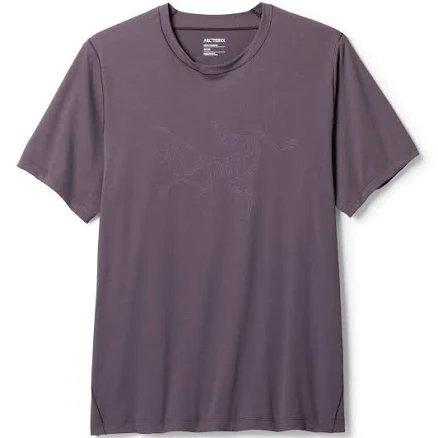
- 100% polyester knit, no water-repellent treatment
- Heavy metals
3 hazards checked on this product, all on its full breakdown.
Find an alternative on Amazon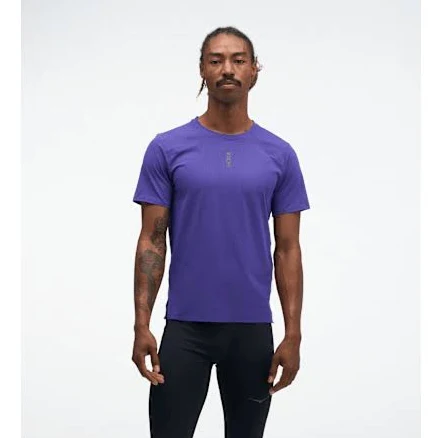
- polyester/nylon blend, no specified water repellent finish
- We found no PFAS statement from the brand
- Antimony in polyester
2 hazards checked on this product, all on its full breakdown.
Find an alternative on Amazon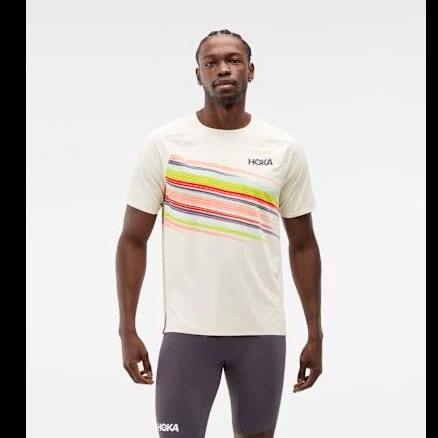
- polyester blend knit
- We found no PFAS statement from the brand
- Antimony in polyester
3 hazards checked on this product, all on its full breakdown.
Find an alternative on AmazonMore synthetic athletic wear grades
How we score, every product runs through the same public 0-100 rubric based on materials, coatings, brand disclosure, lab findings, and recalls. See the full methodology → Spotted a mistake? Report an error.