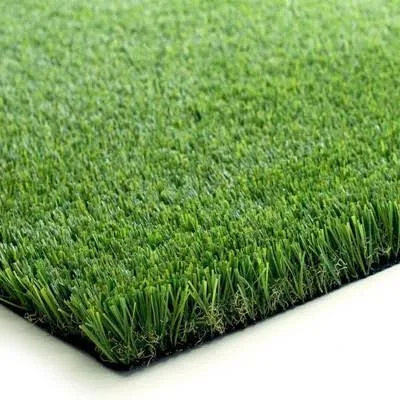
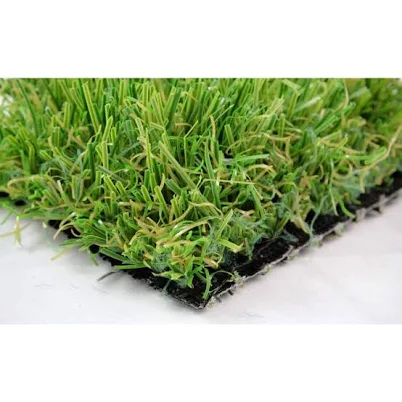
Deluxe Artificial Turf Grass Rug
Skip. Most synthetic turf rugs use PFAS-treated stain coatings, undisclosed.
Artificial turf products typically get water and stain treatments, often PFAS-based but unspecified here. Won't discuss coating makeup or PFAS status.
The better-graded swap
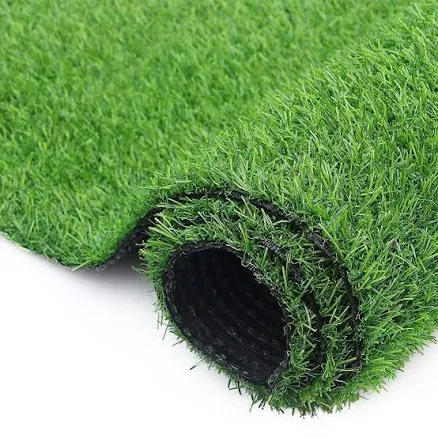
LITA
LITA Greenfield Artificial Grass Turf Cut to Length 0.7in Pile Height Rubber
75/100 safety
Same rubric that flunked this product. The swap earned Excellent.
Still want this one anyway? Check the price on Amazon. We’d swap it.
Material
polyethylene or polypropylene fibers with unknown stain/water-resistant coating
Brand disclosure
Brand is silent on PFAS
Lab data
No public lab test
What Deluxe Artificial Turf Grass Rug is made of, ingredients and materials
This rug uses polyethylene or polypropylene fibers (common plastics) as the pile, anchored to a backing material. The 'deluxe' designation typically includes stain and water-resistant coatings applied to both fibers and backing to improve durability and appearance. These coatings are where chemical hazards concentrate, manufacturers often use fluorinated compounds (PFAS) or other chemical treatments whose exact identity the brand does not publicly disclose. The synthetic substrate can also off-gas volatile organic compounds (VOCs) during manufacturing and early use, especially in warm or poorly ventilated spaces.
What’s concerning
Category baseline
The starting point for this type of product, before anything specific to this product is counted.
No PFAS disclosure
No public statement from the brand about PFAS in this product.
Waterproof / stain-resistant treatment
Water-repellent coating treatments have historically used PFAS.
Volatile Organic Compounds (VOCs) and off-gassing
Synthetic fiber production and stain-coat application typically involve solvent-based or water-based polymer formulations that release VOCs during curing and early use. The brand does not disclose VOC content or off-gas testing results, making exposure assessment impossible.
Flame retardants
Furniture textiles often receive flame retardant treatments; synthetic turf rugs marketed as 'deluxe' may include these coatings to meet flammability standards. No public statement from the brand confirms or denies use of halogenated or phosphorus-based flame retardants.
Source, EPA ↗Coating degradation and microparticle shedding
Synthetic turf rugs with applied coatings degrade under foot traffic and UV exposure, releasing coated microfibers and particles. The composition of shed particles directly depends on the undisclosed coating chemistry, creating unknown inhalation risk over the product's lifetime.
Heavy metals
The coloring agents and adhesives in synthetic turf rugs can contain lead, cadmium, or other heavy metals, particularly in products manufactured without strict material controls. The brand provides no testing data or certifications ruling this out.
Source, FDA ↗Skin and respiratory irritation from coatings
Users with sensitivities to chemical residues on synthetic textiles may experience allergic contact dermatitis or respiratory irritation, especially during initial off-gassing. Children and pets spending extended time on the rug face higher exposure.
The full breakdown
The brand's record and disclosure
The brand has not published material safety data sheets, ingredient lists, or PFAS-free certifications for consumer products in publicly available sources. The company's website and marketing materials do not address chemical coatings, flame retardant status, or indoor air quality impacts. This silence is notable because the synthetic turf industry has faced scrutiny for PFAS and heavy metal use, yet the brand has not voluntarily distinguished itself as addressing these concerns. Without third-party testing or certification (such as Cradle to Cradle or GreenGuard), buyers cannot verify safety claims.
How it compares in its category
Synthetic turf rugs occupy a niche between traditional carpet and outdoor artificial grass. Most competitors in this category (including generic polyester or nylon turf rugs) similarly lack transparent coating disclosure. Premium alternatives from brands with environmental commitments (e.g., some wool-blend or organic cotton rugs with plant-based water resistance) do publish safety certifications, though they cost more. The brand's lack of transparency puts it at the lower end of the disclosure spectrum, even within a category already weak on chemical transparency.
If you buy it
Air out the rug in a well-ventilated space for 48-72 hours before placing it indoors to reduce VOC off-gassing. Vacuum regularly using HEPA filtration to minimize dust inhalation, as coated synthetic fibers shed microparticles over time. Avoid placing it in direct sunlight or near heat sources (radiators, vents above 60C/140F), as heat can accelerate coating degradation and chemical release. Do not use in children's play areas or bedrooms without independent safety testing confirmation from the manufacturer.
What we don’t know
- Basis
- Model estimate, 45% confidence, not a lab result
- Lab test
- None on record for this exact product
- Brand statement
- has made none
Formulations change between production runs, so check the current label. How we grade.
Better-graded alternatives in Artificial Turf
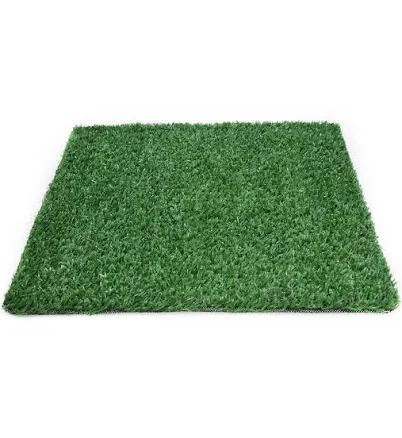
AstroTurf
SeeGreen 5 ft. W X 7 ft. L Green Polypropylene Astroturf
- Polypropylene (PP) astroturf
- We found no PFAS statement from the brand
- VOC off-gassing from polyurethane or latex adhesive
5 hazards checked on this product. See all of them.
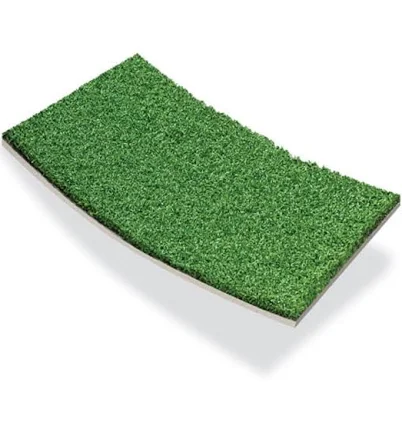
34 Oz Padded Gym Artificial Turf
- polyethylene turf fibers, polypropylene backing
- We found no PFAS statement from the brand
- VOC off-gassing from polyethylene and polypropylene
4 hazards checked on this product. See all of them.
Realgrass
Standard 15 ft. Wide x Cut to Length Artificial Grass Carpet
- polyethylene/polypropylene synthetic grass fibers with backing
- We found no PFAS statement from the brand
- Flame retardants
4 hazards checked on this product. See all of them.
More artificial turf grades
How we score, every product runs through the same public 0-100 rubric based on materials, coatings, brand disclosure, lab findings, and recalls. See the full methodology → Spotted a mistake? Report an error.