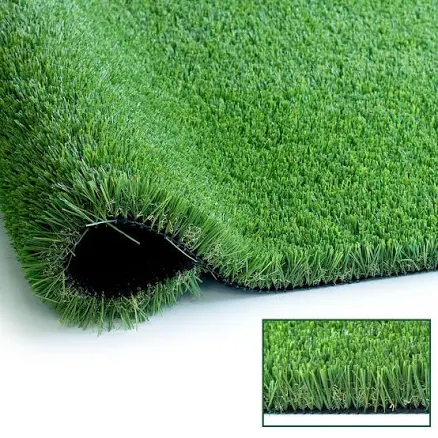
LITA Natural Thick Artificial Grass turf Cut to Length Realistic Deluxe 1.5in Pile Height
Wait for manufacturer to disclose coating chemistry; artificial grass commonly uses PFAS repellents.
LITA's polyethylene turf pile has undisclosed backing and adhesive coatings with no PFAS content information. Synthetic grass backing commonly receives PFAS-based water-resistant and stain-resistant treatments.
The better-graded swap
FieldTurf
Vertex CORE Synthetic Turf System
75/100 safety
Same rubric that flunked this product. The swap earned Excellent.
Still want this one anyway? Check the price on Amazon. We’d swap it.
Material
Polyethylene (PE) synthetic turf pile with unspecified backing/adhesive coatings
Brand disclosure
Brand is silent on PFAS
Lab data
No public lab test
You may also be interested in
Top-graded picks in the categories readers replace first, every one scored on the same rubric.

- polypropylene filter housing, carbon/sediment cartridge
- We found no PFAS statement from the brand
- Bacterial growth in spent cartridges
3 hazards checked on this product, all on its full breakdown.

Aquasure
Premier Series 75 GPD Under Sink Reverse Osmosis Water Filtration System
- RO membrane, carbon filters, stainless steel housing
- We found no PFAS statement from the brand
- Bacterial and microbial growth in housing and filters
4 hazards checked on this product, all on its full breakdown.

Avocado
Vegan Mattress
- organic cotton, natural latex, coconut coir, recycled steel coils
- The brand calls it PFAS-free, which we have not verified
- Heavy metals
2 hazards checked on this product, all on its full breakdown.
What LITA Natural Thick Artificial Pile Height is made of, ingredients and materials
LITA's pile is polyethylene (PE) synthetic fiber, a chemically inert plastic that sheds microplastics under foot traffic and UV breakdown. The critical unknowns are the backing system (typically polypropylene or polyurethane with adhesive) and any topcoat applied for water repellency or durability, which commonly contain PFAS-based chemistry in the artificial turf industry. The 1.5-inch pile height increases surface area for outdoor degradation and potential particulate shedding into soil.
What’s concerning
Category baseline
The starting point for this type of product, before anything specific to this product is counted.
No PFAS disclosure
No public statement from the brand about PFAS in this product.
Waterproof / stain-resistant treatment
Water-repellent coating treatments have historically used PFAS.
Microplastic shedding (PE pile degradation)
Polyethylene turf breaks down under UV, foot traffic, and temperature cycling, releasing microfibers into surrounding soil and air. No quantified shedding rate is published for this product, but PE synthetic turf inherently sheds under normal use.
Backing adhesive leachates (unspecified composition)
The backing and adhesive systems are not disclosed. Common urethane-based adhesives can off-gas volatile organics and may contain heavy metals (antimony as a catalyst); rain and heat can mobilize adhesive components into surrounding soil and groundwater over years.
Volatile organic compound (VOC) off-gassing from backing/adhesive
Newly installed synthetic turf can off-gas odors and low-level VOCs for weeks. The unspecified backing chemistry means potential formaldehyde resins or solvent residues; ventilation and time reduce exposure, but long-term chemical outgassing profile is unknown.
PFAS
Artificial turf manufacturers routinely apply PFAS-based hydrophobic finishes to improve drainage and durability. AstroTurf's silence on this ingredient, combined with industry prevalence, makes PFAS presence probable but unconfirmed for LITA turf; graded separately above.
Source, ATSDR ↗What’s reassuring
Heavy metals
No recalls or test data on this specific product identify lead, cadmium, or other heavy metals. Realistic-colored turf may use azo dyes or titanium dioxide; AstroTurf has not published pigment or additive safety specs for this line.
Source, FDA ↗How is this PFAS grade calculated?
The brand's record and disclosure
AstroTurf has not publicly disclosed coating chemistry, PFAS use, or third-party testing for this product line. The company has not publicly committed to eliminating PFAS from turf products, unlike some competitors. No major recalls or safety violations are documented for this specific SKU, but the silent stance on chemical additives is a transparency red flag in a category where PFAS use is widespread and largely unregulated.
How it compares in its category
Most artificial turf contains PFAS-based water repellents; LITA sits in the middle-market segment where disclosure is weakest. Premium brands like some FieldTurf lines publish chemical inventories; budget alternatives rarely disclose at all. This product lacks both the transparency of high-end options and the price advantage of no-disclosure budget goods, creating unfavorable risk-to-cost positioning.
If you buy it
Maintain it by rinsing with plain water to remove dust and pollen; avoid high-heat pressure washing (above 140F), which can degrade pile and potentially release coatings into runoff. Replace or remove after 8-10 years of heavy foot traffic or sooner if pile matting or visible backing exposure occurs. Pregnant people and young children should minimize extended contact given PFAS exposure pathways through inhalation and soil contact; consider requesting full chemical disclosure from the seller before installation.
What is not known about PFAS in this product?
- Basis
- Model estimate, 45% confidence, not a lab result
- Lab test
- None on record for this exact product
- Brand statement
- LITA has made none
Formulations change between production runs, so check the current label. How we grade.
What are the PFAS-free alternatives to LITA Natural Thick Artificial Grass turf Cut to Length Realistic Deluxe 1.5in Pile Height?
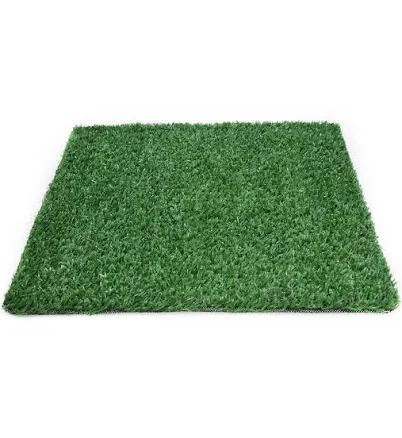
- Polypropylene (PP) astroturf
- We found no PFAS statement from the brand
- VOC off-gassing from polyurethane or latex adhesive
5 hazards checked on this product, all on its full breakdown.
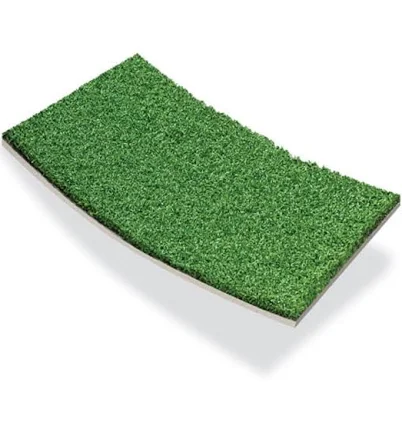
34 Oz Padded Gym Artificial Turf
- polyethylene turf fibers, polypropylene backing
- We found no PFAS statement from the brand
- VOC off-gassing from polyethylene and polypropylene
4 hazards checked on this product, all on its full breakdown.
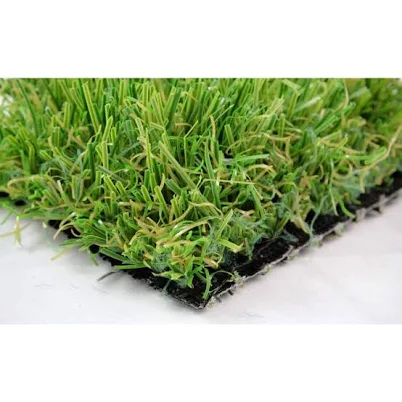
- polyethylene/polypropylene synthetic grass fibers with backing
- We found no PFAS statement from the brand
- Flame retardants
4 hazards checked on this product, all on its full breakdown.
Find an alternative on AmazonMore artificial turf grades
How we score, every product runs through the same public 0-100 rubric based on materials, coatings, brand disclosure, lab findings, and recalls. See the full methodology → Spotted a mistake? Report an error.