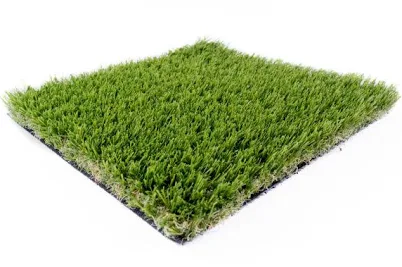
Artificial Landscaping Turf 15ft Wide $2.89/sqft Artificial Turf
Wait for brand to disclose coating chemistry; artificial turf routinely uses PFAS for durability.
Artificial turf typically receives water-repellent coating and stain-resistant treatments for weather resistance. This product's coating remains undisclosed, and industry-standard finishes frequently contain PFAS compounds.
The better-graded swap
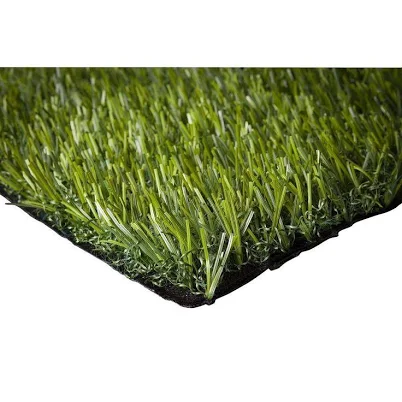
Realgrass
RealGrass Classic 5 ft. x 10 ft. Artificial Grass //sq. ft.
75/100 safety
Same rubric that flunked this product. The swap earned Excellent.
Still want this one anyway? Check the price on Amazon. We’d swap it.
Material
Polyethylene or polypropylene base with unknown water-repellent coating/stain-resistant coating
Brand disclosure
Brand is silent on PFAS
Lab data
No public lab test
You may also be interested in
Top-graded picks in the categories readers replace first, every one scored on the same rubric.

- polypropylene filter housing, carbon/sediment cartridge
- We found no PFAS statement from the brand
- Bacterial growth in spent cartridges
3 hazards checked on this product, all on its full breakdown.

Aquasure
Premier Series 75 GPD Under Sink Reverse Osmosis Water Filtration System
- RO membrane, carbon filters, stainless steel housing
- We found no PFAS statement from the brand
- Bacterial and microbial growth in housing and filters
4 hazards checked on this product, all on its full breakdown.

Avocado
Vegan Mattress
- organic cotton, natural latex, coconut coir, recycled steel coils
- The brand calls it PFAS-free, which we have not verified
- Heavy metals
2 hazards checked on this product, all on its full breakdown.
What Artificial Landscaping Artificial Turf is made of, ingredients and materials
Artificial turf is a polyethylene or polypropylene (polyolefin) pile fabric backing, which is chemically stable and does not leach monomers under normal use. The critical unknown is the water-repellent coating (water-repellent coating) and stain-resistant coating applied to the fibers, which in the artificial turf industry commonly contains PFAS chemicals to resist water and dirt penetration. The backing layer and any infill material (sand, rubber crumb, or polyurethane) are separate contamination vectors not addressed in the base material spec.
What’s concerning
Category baseline
The starting point for this type of product, before anything specific to this product is counted.
No PFAS disclosure
No public statement from the brand about PFAS in this product.
Waterproof / stain-resistant treatment
Water-repellent coating treatments have historically used PFAS.
PFAS
Coating chemistry is undisclosed; PFAS use in artificial turf water-repellent coating applications is industry standard and documented in peer-reviewed studies, but this specific product's formulation is unknown. Graded separately as PFAS (40/100 safety).
Source, ATSDR ↗Microplastic shedding during use and maintenance
Polyethylene and polypropylene fibers fragment with foot traffic, abrasion, and UV exposure, contributing to environmental microplastic pollution. Risk to humans from inhalation or ingestion is low during typical residential use but elevated for athletes and maintenance workers with prolonged contact.
Infill material contamination (if included or recommended)
If product is sold with or requires recycled tire crumb infill, that material may contain zinc, cadmium, and PAHs leached by moisture and heat. No infill composition is specified in the product listing; confirm with retailer.
Volatile organic compounds (VOCs) off-gassing during installation
Polyolefin backing and adhesives used in turf installation can release low levels of VOCs, particularly in warm weather. Off-gassing is typically short-lived (days to weeks) but may be relevant for indoor or semi-enclosed applications.
What’s reassuring
Leachables from backing adhesive or polymer additives
Polyethylene and polypropylene are inherently low-leach, but backing adhesives and UV/thermal stabilizer additives in the polymer matrix are not specified. No specific leaching data or complaints are on record for products, but this material class is not extensively tested for potable water contact.
How is this PFAS grade calculated?
The brand's record and disclosure
The brand has not publicly disclosed the specific chemistry of its water-repellent coating or stain-resistant coatings on this product, and the company has maintained silence on PFAS use despite industry-wide scrutiny since the mid-2010s. No independent certification bodies (such as Oeko-Tex, NSF, or GreenGuard) are listed in available marketing for this turf. The brand's lack of transparency on coating chemistry is a red flag in a product category where PFAS use is documented as routine.
How it compares in its category
Artificial turf as a category has become a focal point for PFAS contamination concern, particularly in sports fields and residential installations where runoff enters soil and groundwater. Competitors marketing PFAS-free alternatives (e.g., some brands using silicone-based water repellents or ceramic coatings) exist but remain niche and higher-cost. The brand's silence on coating chemistry places it in the middle-to-lower transparency bracket of major manufacturers; the $2.89/sqft price point suggests no premium for low-chemical or certified formulations.
If you buy it
Request the Safety Data Sheet (SDS) and technical specification from the retailer or directly before installation to confirm water-repellent coating/coating composition and PFAS status. Avoid installation in areas with direct drainage to groundwater or natural water bodies if PFAS is confirmed or undisclosed. Inspect infill materials (if separate) for rubber crumb quality, as recycled tire crumb can contain heavy metals and volatile compounds. Rinse and brush regularly to minimize fiber shedding and microplastic mobilization, and plan replacement every 8-15 years depending on foot traffic.
What is not known about PFAS in this product?
- Basis
- Model estimate, 45% confidence, not a lab result
- Lab test
- None on record for this exact product
- Brand statement
- has made none
Formulations change between production runs, so check the current label. How we grade.
What are the PFAS-free alternatives to Artificial Landscaping Turf 15ft Wide $2.89/sqft Artificial Turf?
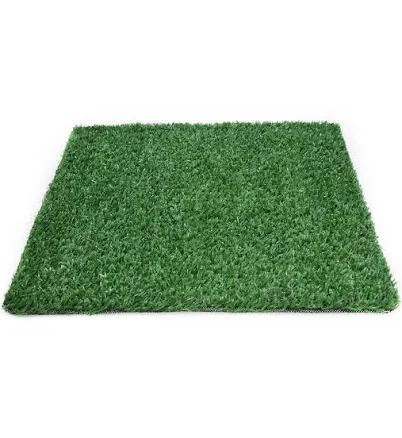
- Polypropylene (PP) astroturf
- We found no PFAS statement from the brand
- VOC off-gassing from polyurethane or latex adhesive
5 hazards checked on this product, all on its full breakdown.
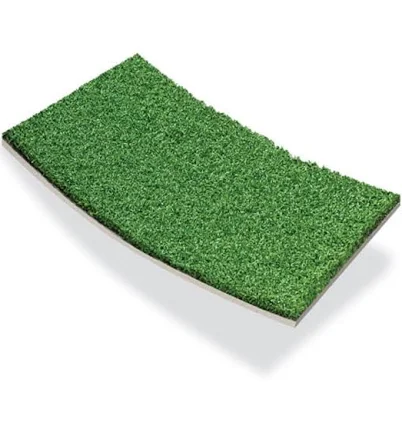
34 Oz Padded Gym Artificial Turf
- polyethylene turf fibers, polypropylene backing
- We found no PFAS statement from the brand
- VOC off-gassing from polyethylene and polypropylene
4 hazards checked on this product, all on its full breakdown.
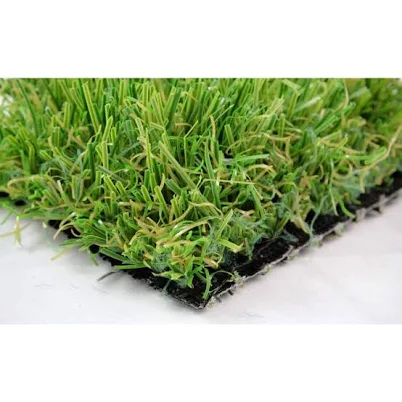
- polyethylene/polypropylene synthetic grass fibers with backing
- We found no PFAS statement from the brand
- Flame retardants
4 hazards checked on this product, all on its full breakdown.
Find an alternative on AmazonMore artificial turf grades
How we score, every product runs through the same public 0-100 rubric based on materials, coatings, brand disclosure, lab findings, and recalls. See the full methodology → Spotted a mistake? Report an error.