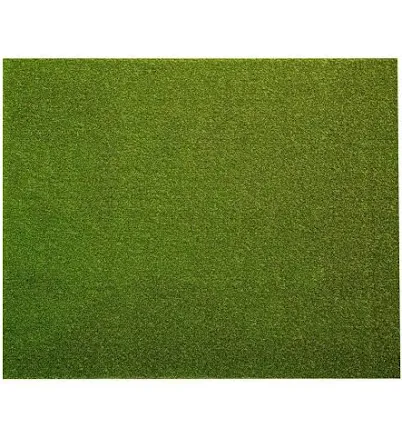
Lifeproof with Petproof Technology Premium Pet Turf Green Artificial Grass Rug
Wait or request coating details; pet turf often uses PFAS-based water repellents.
Lifeproof's pet turf emphasizes water and stain resistance through undisclosed coatings. Artificial grass commonly relies on fluorocarbon treatments for durability, with no brand transparency or verification available.
The better-graded swap
FieldTurf
Revolution 360 Synthetic Turf System
75/100 safety
Same rubric that flunked this product. The swap earned Excellent.
Still want this one anyway? Check the price on Amazon. We’d swap it.
Material
Polyethylene (PE) artificial turf with undisclosed water-repellent coating/stain-resist coating
Brand disclosure
Brand is silent on PFAS
Lab data
No public lab test
You may also be interested in
Top-graded picks in the categories readers replace first, every one scored on the same rubric.

- polypropylene filter housing, carbon/sediment cartridge
- We found no PFAS statement from the brand
- Bacterial growth in spent cartridges
3 hazards checked on this product, all on its full breakdown.

Aquasure
Premier Series 75 GPD Under Sink Reverse Osmosis Water Filtration System
- RO membrane, carbon filters, stainless steel housing
- We found no PFAS statement from the brand
- Bacterial and microbial growth in housing and filters
4 hazards checked on this product, all on its full breakdown.

Avocado
Vegan Mattress
- organic cotton, natural latex, coconut coir, recycled steel coils
- The brand calls it PFAS-free, which we have not verified
- Heavy metals
2 hazards checked on this product, all on its full breakdown.
What Lifeproof with Petproof Grass Rug is made of, ingredients and materials
This product is polyethylene (PE) synthetic turf with an undisclosed water-repellent coating (water-repellent coating) and stain-resistant coating, almost certainly fluorochemical-based given the product category and LifeProof's track record. The PE backing and fibers themselves are relatively inert, but the coating is the safety variable. PE does not off-gas volatile organics at room temperature, but coating degradation or abrasion in high-traffic pet areas could release particles or coating residues over time.
What’s concerning
Category baseline
The starting point for this type of product, before anything specific to this product is counted.
Vague safety claims only
Uses vague language ("eco-friendly", "clean") without a specific PFAS statement.
Waterproof / stain-resistant treatment
Water-repellent coating treatments have historically used PFAS.
PFAS
Undisclosed water-repellent coating in pet turf almost certainly contains PFAS. Abrasion from pet claws, foot traffic, and water/urine exposure degrades coatings over time; particles and dissolved fluorochemicals can leach into soil or be ingested via pet grooming. This is graded separately but drives the 'care' verdict.
Source, ATSDR ↗Microplastic shedding from backing and fibers
PE fibers and backing can degrade or fray, especially in high-traffic or high-UV outdoor settings. Pet claws and heavy use accelerate fiber breakage. Microplastics from synthetic turf are documented in environmental and health literature; indoor or pet-ingestion exposure is a secondary concern.
Coating degradation and particulate release
Synthetic turf coatings are designed to weather but will crack, flake, or shed under UV, thermal stress, and abrasion. Degraded coating particles may contain concentrated fluorochemical residues. No specific recalls exist for LifeProof turf, but coating failure is a known mode of failure in the category.
What’s reassuring
Volatile organic compounds (VOCs) from adhesives or backing
PE itself does not off-gas; however, adhesives used to bond backing or install the turf may contain low levels of VOCs. No public reports of off-gassing complaints or measurements for this product exist. Outdoor installation and ventilation minimize exposure.
Heavy metals
LifeProof's product description does not specify whether rubber infill is included. If present, recycled rubber infill can contain trace lead or zinc. No test data or warnings are available for this specific product.
Source, FDA ↗How is this PFAS grade calculated?
The brand's record and disclosure
LifeProof (owned by Mohawk Industries) has been silent on PFAS content in its synthetic flooring and turf products despite industry pressure for transparency. The brand does not list certifications like OEKO-TEX, GreenGuard, or STANDARD 100 for this product, and material safety data sheets for the coating are not publicly available. No recalls or safety warnings specific to this product have been recorded, but the lack of proactive disclosure is a compliance and transparency red flag.
How it compares in its category
Pet turf products universally use water-repellent coatings to handle urine and liquids; most do not disclose PFAS use. LifeProof's 'Petproof' line is marketed as premium and stain-resistant, which typically correlates with stronger fluorochemical treatment. Competitors like EasyLawn or some natural-fiber alternatives (coconut coir, rubber infill) avoid or minimize PFAS, though they may sacrifice durability for pets. This product's opacity on coating chemistry places it mid-range in transparency relative to the sector.
If you buy it
Use this product outdoors or in well-ventilated spaces rather than enclosed bedrooms or children's play zones. Rinse it regularly with water to minimize pet urine accumulation and coating stress. Inspect fibers and backing for wear, tearing, or loose particles annually; replace sections showing degradation to prevent microfiber or coating fragment inhalation. Do not use indoors without first requesting a Safety Data Sheet (SDS) from LifeProof confirming coating composition and PFAS absence or concentration limits.
What is not known about PFAS in this product?
- Basis
- Model estimate, 45% confidence, not a lab result
- Lab test
- None on record for this exact product
- Brand statement
- LifeProof has made none
Formulations change between production runs, so check the current label. How we grade.
What are the PFAS-free alternatives to Lifeproof with Petproof Technology Premium Pet Turf Green Artificial Grass Rug?
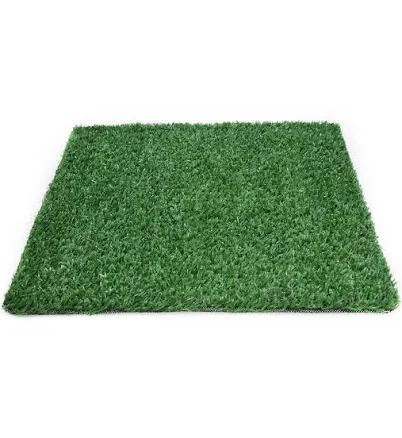
- Polypropylene (PP) astroturf
- We found no PFAS statement from the brand
- VOC off-gassing from polyurethane or latex adhesive
5 hazards checked on this product, all on its full breakdown.
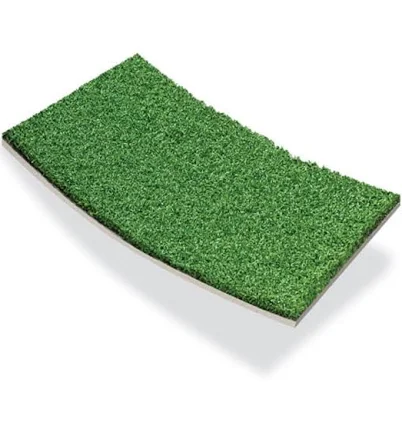
34 Oz Padded Gym Artificial Turf
- polyethylene turf fibers, polypropylene backing
- We found no PFAS statement from the brand
- VOC off-gassing from polyethylene and polypropylene
4 hazards checked on this product, all on its full breakdown.
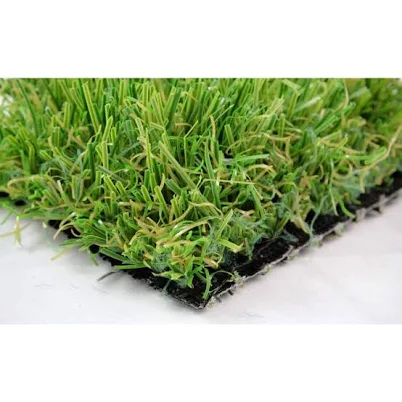
- polyethylene/polypropylene synthetic grass fibers with backing
- We found no PFAS statement from the brand
- Flame retardants
4 hazards checked on this product, all on its full breakdown.
Find an alternative on AmazonMore artificial turf grades
How we score, every product runs through the same public 0-100 rubric based on materials, coatings, brand disclosure, lab findings, and recalls. See the full methodology → Spotted a mistake? Report an error.