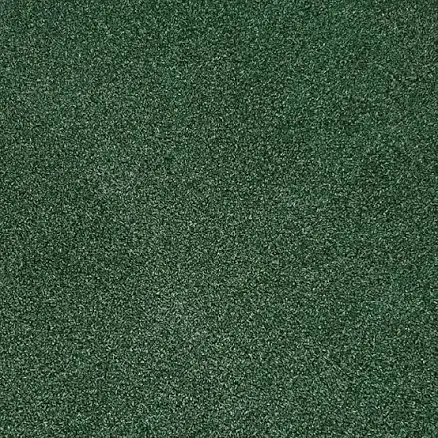
TIGS Money Putt Golf Turf, 15' / 5'
Artificial turf may use PFAS for drainage. Brand won't disclose.
The brand makes synthetic sports turf, typically polyethylene or polypropylene. No public PFAS claims or certifications found, but water-resistant properties suggest possible PFAS use in backing.
The better-graded swap
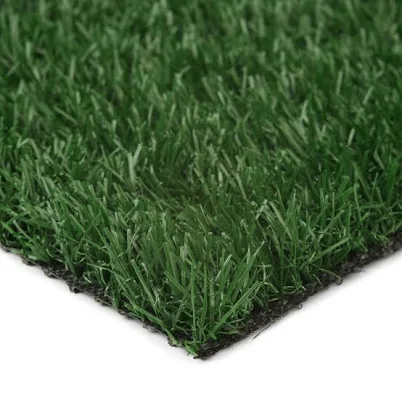
FloorEXP
FloorEXP Event Synthetic Grass Roll
75/100 safety
Same rubric that flunked this product. The swap earned Excellent.
Still want this one anyway? Check the price on Amazon. We’d swap it.
Material
Synthetic turf, likely polyethylene or polypropylene with water-drainage backing
Brand disclosure
Brand is silent on PFAS
Lab data
No public lab test
What TIGS Money Putt Golf Turf, 15' / 5' is made of, ingredients and materials
TIGS Money Putt is synthetic turf, almost certainly polyethylene or polypropylene pile fibers bonded to a water-drainage backing layer. The backing is the concern, it may contain PFAS compounds to enhance water repellency and drainage, a common industry practice in artificial turf that reduces waterlogging. The brand provides no material specification sheet or PFAS disclosure for this product, making independent verification impossible from public sources.
What’s concerning
Category baseline
The starting point for this type of product, before anything specific to this product is counted.
No PFAS disclosure
No public statement from the brand about PFAS in this product.
Waterproof / stain-resistant treatment
Water-repellent coating treatments have historically used PFAS.
PFAS
Synthetic turf backing commonly uses PFAS for water repellency and drainage performance. The brand does not disclose whether this product contains PFAS or whether it migrates into groundwater or soil; graded separately at 30/100.
Source, ATSDR ↗Bacterial and mold growth in drainage layer
Synthetic turf backing can trap moisture and support microbial colonization if not maintained or drained properly. This is a maintenance and use issue rather than a material defect, but poor drainage design or backing saturation increases this risk.
Microplastic shedding from fiber degradation
Polyethylene and polypropylene fibers can fragment under UV exposure, foot traffic, and temperature cycling. Released microplastics may enter soil and water; no testing data is available for products specifically, but this is a known risk across the synthetic turf category.
What’s reassuring
Volatile organic compounds (VOCs) from adhesives and degradation
No documented VOC emissions or off-gassing complaints for products are on record. Polyethylene and polypropylene are chemically stable when new; emissions risk is low unless backing adhesives contain uncrosslinked polymers, which is not reported for this brand.
Antimony in polyester fiber (if present)
TIGS Money Putt is described as polyethylene or polypropylene pile, not polyester, so antimony catalyst residues are not a concern for the fiber itself. Backing adhesives are the only unknown component.
The full breakdown
The brand's record and disclosure
The brand does not publish Material Safety Data Sheets, PFAS testing results, or third-party certifications (like GreenGuard or similar) for this product line. No public controversy or regulatory action against the brand for PFAS or other hazards has been documented. The brand's silence on chemical composition is typical of the synthetic turf industry but represents a missed opportunity for transparency that competitors like some European manufacturers have begun to adopt.
How it compares in its category
Synthetic putting-green turf sits in a middle ground, it avoids volatile organic compound off-gassing risks common to foam-backed indoor carpets, but it cannot guarantee the low-chemical profile of natural grass or untreated materials. Most commercial synthetic turf products in this price and application tier carry similar unresolved PFAS exposure potential. Premium brands and European-sourced alternatives increasingly disclose PFAS testing; TIGS does not.
If you buy it
Ensure drainage and prevent water pooling, which can concentrate any leached contaminants. Avoid direct contact with bare skin for extended periods, especially if skin is abraded; rinse hands after handling. Do not allow children to mouth or chew turf fibers. Replace if backing degrades, tears, or shows visible mold or bacterial growth. Request a material safety sheet from the seller; if the brand declines, that signals low priority on chemical transparency.
What we don’t know
- Basis
- Model estimate, 55% confidence, not a lab result
- Lab test
- None on record for this exact product
- Brand statement
- has made none
Formulations change between production runs, so check the current label. How we grade.
Better-graded alternatives in Artificial Turf
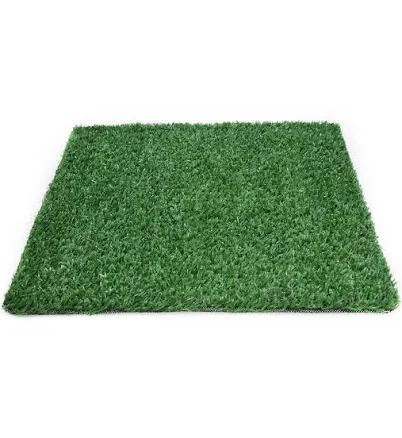
AstroTurf
SeeGreen 5 ft. W X 7 ft. L Green Polypropylene Astroturf
- Polypropylene (PP) astroturf
- We found no PFAS statement from the brand
- VOC off-gassing from polyurethane or latex adhesive
5 hazards checked on this product. See all of them.
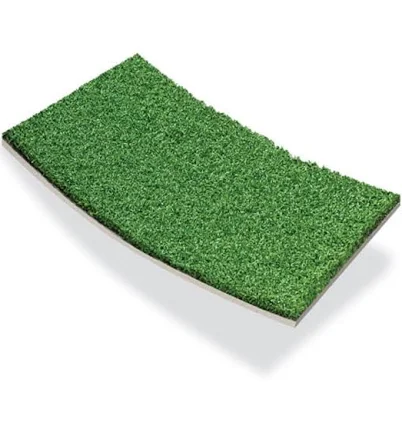
34 Oz Padded Gym Artificial Turf
- polyethylene turf fibers, polypropylene backing
- We found no PFAS statement from the brand
- VOC off-gassing from polyethylene and polypropylene
4 hazards checked on this product. See all of them.
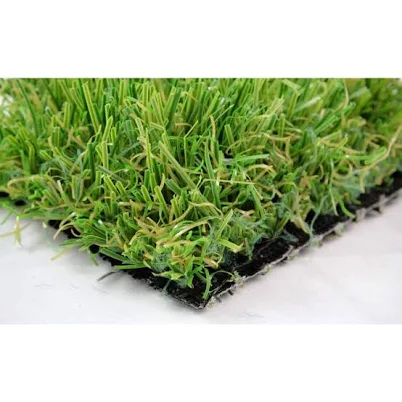
Realgrass
Standard 15 ft. Wide x Cut to Length Artificial Grass Carpet
- polyethylene/polypropylene synthetic grass fibers with backing
- We found no PFAS statement from the brand
- Flame retardants
4 hazards checked on this product. See all of them.
More artificial turf grades
How we score, every product runs through the same public 0-100 rubric based on materials, coatings, brand disclosure, lab findings, and recalls. See the full methodology → Spotted a mistake? Report an error.