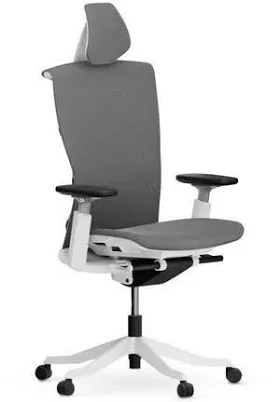
Autonomous ErgoChair Pro+ Green Mesh
Lower PFAS concern than treated textiles; mesh and steel pose minimal risk, but no brand disclosure.
The ErgoChair Pro+ uses standard office-chair materials, polyester mesh and steel frame. These rarely need PFAS-based treatments. Autonomous makes no PFAS disclosure.
We flunk more products than we pass. This one earned its grade. How we grade
Material
mesh fabric (polyester), steel frame
Brand disclosure
Brand is silent on PFAS
Lab data
No public lab test
You may also be interested in
Top-graded picks in the categories readers replace first, every one scored on the same rubric.

- polypropylene filter housing, carbon/sediment cartridge
- We found no PFAS statement from the brand
- Bacterial growth in spent cartridges
3 hazards checked on this product, all on its full breakdown.

Aquasure
Premier Series 75 GPD Under Sink Reverse Osmosis Water Filtration System
- RO membrane, carbon filters, stainless steel housing
- We found no PFAS statement from the brand
- Bacterial and microbial growth in housing and filters
4 hazards checked on this product, all on its full breakdown.

Avocado
Vegan Mattress
- organic cotton, natural latex, coconut coir, recycled steel coils
- The brand calls it PFAS-free, which we have not verified
- Heavy metals
2 hazards checked on this product, all on its full breakdown.
What Autonomous ErgoChair Pro+ Green Mesh is made of, ingredients and materials
The ErgoChair Pro+ Green uses polyester mesh fabric over a steel frame. Polyester mesh is a synthetic polymer that does not require the water-repellent or stain-resistant chemical treatments that introduce PFAS into textiles. Steel frames are inert and do not leach into contact with skin or indoor air. The main chemical exposure pathway from this chair is off-gassing of volatile organic compounds (VOCs) during the manufacturing and break-in period, which is typical for office furniture but minimal with mesh-only construction compared to padded or adhesive-heavy designs.
What’s concerning
Category baseline
The starting point for this type of product, before anything specific to this product is counted.
No PFAS disclosure
No public statement from the brand about PFAS in this product.
Volatile Organic Compound (VOC) off-gassing
All new office furniture releases low-level VOCs during manufacturing and initial use. Mesh construction minimizes this risk compared to foam-padded alternatives, but steel frame adhesives and fabric finishes may contribute minor emissions over the first few weeks.
Polyester microfiber shedding
Polyester mesh can shed microscopic fibers during friction (sitting, movement, cleaning). Inhalation risk is considered negligible for intact mesh, but damaged or heavily worn mesh may increase fiber release into the immediate breathing zone.
Steel frame corrosion and rust contact
Steel frames can develop surface rust if exposed to high humidity or spilled liquids. Rust particles are an irritant and minor ingestion risk if they contact skin or food. Regular inspection and prompt drying of spills mitigates this risk.
What’s reassuring
Base material not linked to PFAS
The main material recorded for this product is not one associated with PFAS.
Azo dyes or chemical dye residues in green mesh
No public recalls or safety reports exist for Autonomous ErgoChair dyes. Polyester fabric dyes are regulated in most markets, but without third-party testing disclosure, residual dye or heavy metal content cannot be independently verified for this specific green mesh.
Formaldehyde / VOCs
Mesh polyester typically requires minimal finishing resins compared to woven upholstery. No public safety data or recalls for Autonomous ErgoChair formaldehyde exist, but the brand does not disclose finishing chemicals used.
Source, ATSDR ↗How is this PFAS grade calculated?
The brand's record and disclosure
Autonomous has published no public certifications (such as GREENGUARD or Oeko-Tex) or chemical disclosure statements for the ErgoChair line as of available records. The brand does not voluntarily report PFAS use or testing results. This silence does not indicate presence of hazards but reflects a common gap, many office furniture manufacturers do not proactively disclose chemical testing. Autonomous positions itself as a desk and ergonomic furniture maker but has not established an industry-leading safety transparency standard.
How it compares in its category
Mesh office chairs are generally considered lower chemical-risk than fully upholstered chairs because they avoid fabric treatments, adhesives, and foam padding that can off-gas formaldehyde or PFAS. The ErgoChair Pro+ is competitively positioned within the ergonomic mesh chair segment (similar to Herman Miller Aeron or Steelcase Leap in material logic, though those brands provide third-party certifications). Steel frames are standard across the category and pose no differentiated hazard. The lack of disclosure is typical for mid-market ergonomic brands but lags premium competitors.
If you buy it
Air out the chair in a well-ventilated space for 24-48 hours after unboxing to allow any manufacturing VOCs to dissipate. Inspect mesh fabric monthly for fraying or pilling, which can accelerate material degradation and potential microfiber release. Wash the mesh gently with a dry brush or damp cloth (avoid soaking or machine wash). Replace the chair if the frame develops rust or welds crack, as steel corrosion can eventually contact skin or degrade structural integrity.
What is not known about PFAS in this product?
- Basis
- Model estimate, 72% confidence, not a lab result
- Lab test
- None on record for this exact product
- Brand statement
- Autonomous has made none
Formulations change between production runs, so check the current label. How we grade.
More office chairs grades
How we score, every product runs through the same public 0-100 rubric based on materials, coatings, brand disclosure, lab findings, and recalls. See the full methodology → Spotted a mistake? Report an error.