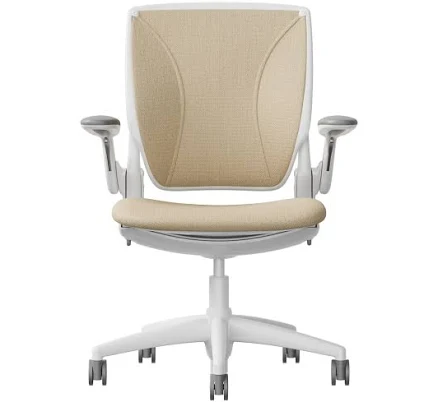
Humanscale World Office Chair
Lower concern; office chair with standard materials and no known PFAS triggers, but no brand transparency.
The Humanscale World Office Chair uses conventional office furniture materials with no reported nonstick or water-resistant coatings. Humanscale provides no PFAS disclosure or testing.
We flunk more products than we pass. This one earned its grade. How we grade
Material
Steel, aluminum, plastic (polyurethane foam), fabric upholstery
Brand disclosure
Brand is silent on PFAS
Lab data
No public lab test
You may also be interested in
Top-graded picks in the categories readers replace first, every one scored on the same rubric.

- polypropylene filter housing, carbon/sediment cartridge
- We found no PFAS statement from the brand
- Bacterial growth in spent cartridges
3 hazards checked on this product, all on its full breakdown.

Aquasure
Premier Series 75 GPD Under Sink Reverse Osmosis Water Filtration System
- RO membrane, carbon filters, stainless steel housing
- We found no PFAS statement from the brand
- Bacterial and microbial growth in housing and filters
4 hazards checked on this product, all on its full breakdown.

Avocado
Vegan Mattress
- organic cotton, natural latex, coconut coir, recycled steel coils
- The brand calls it PFAS-free, which we have not verified
- Heavy metals
2 hazards checked on this product, all on its full breakdown.
What Humanscale World Office Chair is made of, ingredients and materials
The World Office Chair uses steel frames (structural integrity, no leaching risk), aluminum components (lightweight, minimal off-gassing), polyurethane foam cushioning (standard in seating, varies by density and additives), and fabric upholstery (composition varies but typically polyester or cotton blends). Polyurethane foam can release volatile organic compounds (VOCs) during initial use but stabilizes quickly in ventilated spaces. The aluminum used in office furniture typically poses no toxicological concern at normal contact levels.
What’s concerning
Category baseline
The starting point for this type of product, before anything specific to this product is counted.
No PFAS disclosure
No public statement from the brand about PFAS in this product.
Polyurethane foam off-gassing (VOCs)
Polyurethane cushioning can emit volatile organic compounds, especially when new. This is typical of office seating; intensity depends on foam formulation and ventilation. Dissipates within 24 to 48 hours in normal indoor air.
Microplastics
Extended wear and friction on polyurethane foam and synthetic fabrics can generate microparticles over years. Inhalation risk is low in seated use but increases with abrasion. Regular inspection for tears prevents accelerated shedding.
Source, EPA ↗What’s reassuring
Base material not linked to PFAS
The main material recorded for this product is not one associated with PFAS.
Flame retardants
Office furniture sold in North America typically contains flame retardants to meet safety codes. Humanscale does not disclose which chemicals or whether brominated, phosphate, or alternative chemistries are used. No recalls or contamination reports specific to this model exist.
Source, EPA ↗Heavy metals
Upholstery dyes may contain traces of chromium, nickel, or antimony depending on supplier. No testing results or recalls are public for this chair. Risk is minimal in typical office use (seated contact, not chewing or prolonged skin exposure).
Source, FDA ↗Aluminum leaching from frame components
Aluminum used in chair frames is not in direct contact with food or mouth; leaching risk in office seating is negligible. Anodizing or powder coating typically seals aluminum surfaces further.
How is this PFAS grade calculated?
The brand's record and disclosure
Humanscale is known for ergonomic design and sustainability messaging but does not publicly disclose detailed material safety data, chemical restrictions, or third-party certifications for flame retardants or heavy metals in upholstery dyes. The brand has not faced major product recalls or documented chemical safety controversies in the office furniture space. Their silence on PFAS and flame retardant chemistry is typical of mid-market furniture makers but falls short of full transparency.
How it compares in its category
Office chairs in this price and design tier typically use identical material sets (steel, aluminum, polyurethane foam, synthetic fabrics). The World Office Chair is neither distinguished by exceptional safety measures nor notable hazards. Certified alternatives (e.g., those with Cradle to Cradle or GreenGuard certifications) provide third-party reassurance on VOCs and chemicals; Humanscale's World Chair carries no such badge, making direct comparison difficult.
If you buy it
Unbox in a well-ventilated space and allow 24 to 48 hours for initial off-gassing of polyurethane foam to minimize inhalation of VOCs. Inspect fabric seams and upholstery for damage before use; intact coverings prevent foam contact with skin. Rotate and fluff foam cushions periodically to extend life. Standard office maintenance (vacuuming fabric, wiping metal frames) is sufficient; avoid harsh solvents on upholstery.
What is not known about PFAS in this product?
- Basis
- Model estimate, 72% confidence, not a lab result
- Lab test
- None on record for this exact product
- Brand statement
- Humanscale has made none
Formulations change between production runs, so check the current label. How we grade.
More office chairs grades
How we score, every product runs through the same public 0-100 rubric based on materials, coatings, brand disclosure, lab findings, and recalls. See the full methodology → Spotted a mistake? Report an error.