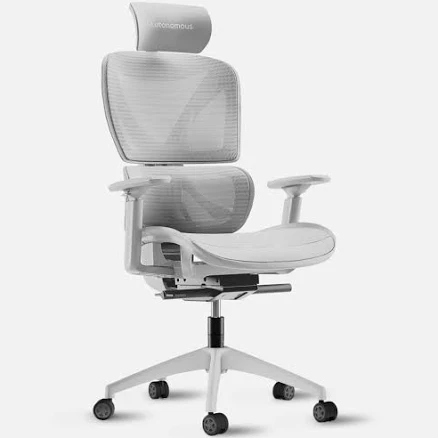
Autonomous ErgoChair Core Ergonomic Office Chair
Lower concern for typical office chair; standard materials unlikely to contain PFAS, but no brand transparency.
The ErgoChair Core uses aluminum frame, foam, and fabric upholstery, materials that don't typically require PFAS. Autonomous won't disclose fabric finishes or stain-resistant coatings.
We flunk more products than we pass. This one earned its grade. How we grade
Material
Fabric upholstery, foam cushioning, aluminum frame
Brand disclosure
Brand is silent on PFAS
Lab data
No public lab test
You may also be interested in
Top-graded picks in the categories readers replace first, every one scored on the same rubric.

- polypropylene filter housing, carbon/sediment cartridge
- We found no PFAS statement from the brand
- Bacterial growth in spent cartridges
3 hazards checked on this product, all on its full breakdown.

Aquasure
Premier Series 75 GPD Under Sink Reverse Osmosis Water Filtration System
- RO membrane, carbon filters, stainless steel housing
- We found no PFAS statement from the brand
- Bacterial and microbial growth in housing and filters
4 hazards checked on this product, all on its full breakdown.

Avocado
Vegan Mattress
- organic cotton, natural latex, coconut coir, recycled steel coils
- The brand calls it PFAS-free, which we have not verified
- Heavy metals
2 hazards checked on this product, all on its full breakdown.
What Autonomous ErgoChair Core Office Chair is made of, ingredients and materials
The Autonomous ErgoChair Core uses an aluminum frame, polyurethane foam cushioning, and fabric upholstery. Aluminum frames are inert and do not leach under normal office conditions. Polyurethane foam is a stable synthetic material that does not off-gas significantly after initial manufacturing (typically 48-72 hours). The fabric upholstery is the main variable, most office chair fabrics are polyester or polyester-cotton blends, which can harbor dust and allergens but do not inherently leach chemicals during passive use.
What’s concerning
Category baseline
The starting point for this type of product, before anything specific to this product is counted.
No PFAS disclosure
No public statement from the brand about PFAS in this product.
Flame retardants
Office chairs sold in the US must meet BIFMA flammability standards; manufacturers typically achieve this through chemical treatments or inherently flame-retardant fibers rather than brominated compounds. Autonomous does not disclose which method is used for the ErgoChair Core, so the specific chemistry is unknown.
Source, EPA ↗Polyurethane foam off-gassing (volatile organic compounds)
Polyurethane foam can emit volatile organic compounds (VOCs) including isocyanates and toluene diisocyanate (TDI) during and shortly after manufacturing. Intensity depends on foam formulation and cure time. A brief airing-out period (24-48 hours) is standard practice and mitigates this risk substantially.
Fabric finish chemicals (dyes, sizing, soil repellents)
Upholstery textiles are often treated with azo dyes, formaldehyde-based sizing, or water-and-stain repellents during manufacturing. Autonomous does not specify fabric suppliers or certification (e.g., OEKO-TEX, which limits azo dyes and formaldehyde). Risk is low during use but unknown without brand transparency.
Bacterial or mold growth in foam or fabric
In high-humidity or poorly ventilated spaces, polyurethane foam and fabric upholstery can retain moisture and harbor microbial growth. This is a maintenance and environmental issue, not a manufacturing defect. Regular vacuuming and dry storage mitigate risk.
What’s reassuring
Base material not linked to PFAS
The main material recorded for this product is not one associated with PFAS.
Aluminum frame corrosion or joint degradation
Aluminum frames are corrosion-resistant and do not leach under typical office humidity and temperature. No documented degradation issues specific to Autonomous chairs. Mechanical failures (gas cylinder, base casters) are wear-and-tear, not chemical hazards.
How is this PFAS grade calculated?
The brand's record and disclosure
Autonomous is a DTC furniture manufacturer specializing in standing desks and office chairs; the company has not published detailed material safety data sheets or third-party certifications (e.g., GREENGUARD, OEKO-TEX) for the ErgoChair Core as of available public records. The brand does not explicitly disclose flame retardant chemistry, fabric treatment chemicals, or foam specifications on product pages. No major recalls or documented safety controversies involving this specific chair model are on record.
How it compares in its category
Office chairs in this mid-range price tier rarely disclose treatment chemicals; Herman Miller and Steelcase chairs often carry third-party certifications, whereas most DTC and budget brands (including Autonomous) do not. The ErgoChair Core's aluminum-and-foam construction is industry-standard and carries no elevated risk compared to similarly priced competitors. The lack of transparency is typical for the category, not a distinguishing weakness.
If you buy it
Unpack the chair and allow it to air in a ventilated space for 24-48 hours to off-gas any residual volatile compounds from manufacturing and shipping. Vacuum the fabric monthly to reduce dust and allergen accumulation. Avoid placing the chair in direct sunlight or near heat sources, as polyurethane foam can degrade and off-gas more readily at elevated temperatures (above 80 degrees Fahrenheit sustained). Inspect the foam and frame annually; if the cushioning compresses unevenly or the fabric tears, replacement pads are often available separately.
What is not known about PFAS in this product?
- Basis
- Model estimate, 72% confidence, not a lab result
- Lab test
- None on record for this exact product
- Brand statement
- Autonomous has made none
Formulations change between production runs, so check the current label. How we grade.
More office chairs grades
How we score, every product runs through the same public 0-100 rubric based on materials, coatings, brand disclosure, lab findings, and recalls. See the full methodology → Spotted a mistake? Report an error.