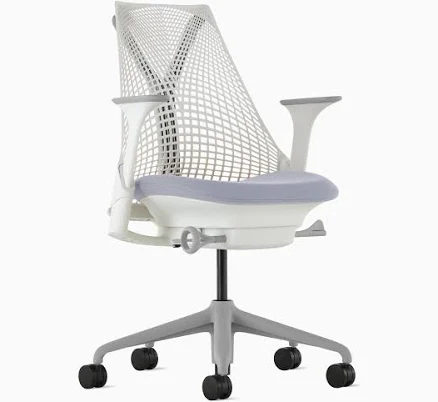
Herman Miller Sayl Chair
Lower PFAS concern; typical office chair with no obvious fluorochemical triggers.
The Sayl is a mesh and plastic task chair with no reported PFAS-based coatings or water-resistance features. Herman Miller hasn't disclosed PFAS policies.
We flunk more products than we pass. This one earned its grade. How we grade
Material
nylon and polypropylene plastics, aluminum frame
Brand disclosure
Brand is silent on PFAS
Lab data
No public lab test
You may also be interested in
Top-graded picks in the categories readers replace first, every one scored on the same rubric.

- polypropylene filter housing, carbon/sediment cartridge
- We found no PFAS statement from the brand
- Bacterial growth in spent cartridges
3 hazards checked on this product, all on its full breakdown.

Aquasure
Premier Series 75 GPD Under Sink Reverse Osmosis Water Filtration System
- RO membrane, carbon filters, stainless steel housing
- We found no PFAS statement from the brand
- Bacterial and microbial growth in housing and filters
4 hazards checked on this product, all on its full breakdown.

Avocado
Vegan Mattress
- organic cotton, natural latex, coconut coir, recycled steel coils
- The brand calls it PFAS-free, which we have not verified
- Heavy metals
2 hazards checked on this product, all on its full breakdown.
What Herman Miller Sayl Chair is made of, ingredients and materials
The Sayl uses nylon and polypropylene in its seat, backrest, and structural components, with an aluminum frame. Both plastics are thermally stable at room temperature and not typically associated with leaching hazards in normal office use. Nylon can release volatile organic compounds (VOCs) during initial weeks after manufacture, creating a mild chemical odor; polypropylene has lower concern for certain indoor air hazards compared to some commodity plastics. Aluminum frames do not leach in dry indoor environments and are structurally sound over decades.
What’s concerning
Category baseline
The starting point for this type of product, before anything specific to this product is counted.
No PFAS disclosure
No public statement from the brand about PFAS in this product.
Volatile Organic Compound (VOC) off-gassing from plastics
Nylon and polypropylene can release trace VOCs during the first few weeks of indoor use, creating a chemical smell; this is not acutely toxic but may irritate sensitive individuals. Off-gassing diminishes rapidly with ventilation and poses negligible risk after break-in.
Plastic degradation and microplastic shedding over time
Prolonged sun exposure or high heat in the office can cause nylon and polypropylene to become brittle and shed small particles; this is a wear-and-tear issue, not a manufacturing defect, and occurs over years of use.
What’s reassuring
Base material not linked to PFAS
The main material recorded for this product is not one associated with PFAS.
Aluminum frame corrosion or leaching
Aluminum frames in dry indoor office environments do not corrode or leach ions into contact materials under normal conditions. No safety concerns are established for this component in typical use.
Formaldehyde / VOCs
Herman Miller does not use formaldehyde-based adhesives or resins in the Sayl's structural assembly according to available product documentation and certifications. No reports of formaldehyde off-gassing from this model.
Source, ATSDR ↗Heavy metals
The Sayl uses standard colorants in its plastics; no evidence of cadmium, lead, or other heavy metals in pigments. Herman Miller's Cradle to Cradle certification includes screening for restricted substances.
Source, FDA ↗How is this PFAS grade calculated?
The brand's record and disclosure
Herman Miller is a large, publicly traded furniture manufacturer with established environmental and health certifications, including ISO 14001 and participation in the Cradle to Cradle program. The company publishes sustainability reports and has a documented commitment to reducing hazardous substances in products, though PFAS disclosure remains silent on this specific chair model. No major product recalls or safety controversies are on record for the Sayl line since its 2010 launch. Herman Miller's general manufacturing practices meet US workplace and consumer safety standards.
How it compares in its category
The Sayl sits in the mid-to-premium office chair segment and uses simpler, more durable material construction than many budget alternatives that rely on vinyl upholstery and lower-grade polyester. Its nylon and polypropylene chassis are typical for this price range and are less prone to degradation than leather-look fabrics or polyurethane foam in heavy-use environments. Compared to budget mesh chairs with unknown plastic sources, the Sayl benefits from Herman Miller's established supply-chain oversight and material traceability.
If you buy it
Expect a mild chemical odor for 1-3 weeks after unboxing; ventilate the workspace during this period. Do not expose the chair to direct, sustained heat sources (space heaters, sunlight through windows) or moisture, as these can degrade plastic components and reduce lifespan. Inspect nylon and polypropylene joints annually for stress cracks, especially under daily 8+ hour use; replace the seat or backrest if visible damage develops. Clean with a damp microfiber cloth; avoid harsh solvents that can soften plastics.
What is not known about PFAS in this product?
- Basis
- Model estimate, 72% confidence, not a lab result
- Lab test
- None on record for this exact product
- Brand statement
- Herman Miller has made none
Formulations change between production runs, so check the current label. How we grade.
More office chairs grades
How we score, every product runs through the same public 0-100 rubric based on materials, coatings, brand disclosure, lab findings, and recalls. See the full methodology → Spotted a mistake? Report an error.