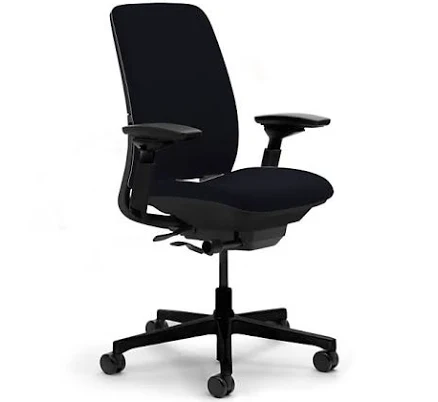
Amia Chair Steelcase
Lower concern; office chair with standard materials unlikely to contain PFAS, but no brand transparency.
The Amia is primarily steel, foam, and upholstered textile with no reported PFAS treatments. Steelcase doesn't disclose PFAS status; independent lab data is unavailable.
We flunk more products than we pass. This one earned its grade. How we grade
Material
steel frame, foam, upholstered fabric
Brand disclosure
Brand is silent on PFAS
Lab data
No public lab test
You may also be interested in
Top-graded picks in the categories readers replace first, every one scored on the same rubric.

- polypropylene filter housing, carbon/sediment cartridge
- We found no PFAS statement from the brand
- Bacterial growth in spent cartridges
3 hazards checked on this product, all on its full breakdown.

Aquasure
Premier Series 75 GPD Under Sink Reverse Osmosis Water Filtration System
- RO membrane, carbon filters, stainless steel housing
- We found no PFAS statement from the brand
- Bacterial and microbial growth in housing and filters
4 hazards checked on this product, all on its full breakdown.

Avocado
Vegan Mattress
- organic cotton, natural latex, coconut coir, recycled steel coils
- The brand calls it PFAS-free, which we have not verified
- Heavy metals
2 hazards checked on this product, all on its full breakdown.
What Amia Chair Steelcase is made of, ingredients and materials
The Amia Chair uses a steel structural frame, polyurethane or polyether foam cushioning, and upholstered textile covering. Steel frames are chemically stable and non-leaching under normal office conditions. The primary exposure pathway is the foam and fabric, polyurethane foam can off-gas volatile organic compounds (VOCs) when new, and upholstery fabric may contain dyes, finishes, or flame retardants depending on treatment. None of these materials are inherently hazardous in an office setting where no heating or degradation occurs.
What’s concerning
Category baseline
The starting point for this type of product, before anything specific to this product is counted.
No PFAS disclosure
No public statement from the brand about PFAS in this product.
Volatile Organic Compounds (VOCs) from polyurethane foam
New polyurethane cushioning foam can emit low-level VOCs (particularly formaldehyde precursors) during initial weeks. This is a temporary exposure in an office chair and not a long-term health concern in typical use, but sensitive individuals may notice odor.
Flame retardants
Office furniture foam often contains flame retardants to meet fire codes. Steelcase does not disclose the specific flame retardant chemistry used in the Amia. Brominated or phosphorus-based retardants are possible but no hazardous substances have been reported or recalled.
Source, EPA ↗Microplastic shedding from synthetic fabric
Synthetic upholstery fabrics (polyester, nylon) can shed microfibers with abrasion and cleaning. In an office chair, this is not a consumption or inhalation risk, but repeated vacuuming or washing may release fibers to the environment. This is a minor issue compared to apparel or textiles in contact with skin.
What’s reassuring
Base material not linked to PFAS
The main material recorded for this product is not one associated with PFAS.
Formaldehyde / VOCs
No recalls or testing data are on record for Steelcase Amia upholstery. Standard commercial office fabrics are typically treated with non-azo dyes and minimal formaldehyde-releasing finishes, but Steelcase does not publish fabric certifications for this chair.
Source, ATSDR ↗Heavy metals
Steelcase steel frames are not known to leach cadmium, lead, or other heavy metals under normal office use. Steel is chemically inert and this hazard is not a documented concern in the category.
Source, FDA ↗How is this PFAS grade calculated?
The brand's record and disclosure
Steelcase is a large furniture manufacturer with ISO 14001 environmental certification and publishes sustainability reports, though detailed chemical disclosures for specific products are limited. The company does not publicly emphasize PFAS stance or avoidance, and transparency on fabric finishing agents and foam formulations is not readily available to consumers. No major product recalls or safety controversies are on record for the Amia line. Steelcase's scale and institutional focus suggest adherence to basic safety standards, but chemical-level transparency is not a brand strength.
How it compares in its category
The Amia Chair sits in the mid-to-premium office seating range. Compared to budget office chairs (which may use lower-grade foams and untested fabrics), Steelcase products typically employ better-specified materials and more rigorous supply control. Compared to ultra-premium ergonomic brands that publish detailed material certificates, Steelcase discloses less. For a corporate or home office setting, it has lower concern than low-cost imports but does not offer the chemical transparency of certified low-VOC or organic upholstered furniture.
If you buy it
Allow the chair to off-gas in a well-ventilated space for 48-72 hours after delivery to minimize VOC exposure from foam and adhesives. Inspect the fabric seams and zippers monthly and wipe down with a damp cloth if dusty; do not saturate or use harsh chemicals. The steel frame requires no special care. If the foam begins to compress noticeably or the fabric tears, replacement is primarily an aesthetic and comfort issue rather than a safety trigger. Standard indoor office temperatures and humidity present no degradation risk.
What is not known about PFAS in this product?
- Basis
- Model estimate, 72% confidence, not a lab result
- Lab test
- None on record for this exact product
- Brand statement
- Steelcase has made none
Formulations change between production runs, so check the current label. How we grade.
More office chairs grades
How we score, every product runs through the same public 0-100 rubric based on materials, coatings, brand disclosure, lab findings, and recalls. See the full methodology → Spotted a mistake? Report an error.