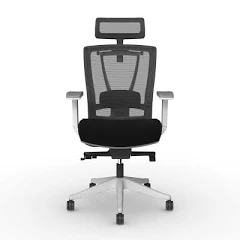
Autonomous ErgoChair Pro
Lower PFAS concern for core structure; upholstery treatment unknown, ask for transparency.
The ErgoChair Pro uses steel, plastic, and upholstered components typical of office furniture. Autonomous makes no PFAS claims; upholstery composition remains unspecified.
We flunk more products than we pass. This one earned its grade. How we grade
Material
Steel frame, upholstered fabric seat/back, plastic/aluminum components
Brand disclosure
Brand is silent on PFAS
Lab data
No public lab test
You may also be interested in
Top-graded picks in the categories readers replace first, every one scored on the same rubric.

- polypropylene filter housing, carbon/sediment cartridge
- We found no PFAS statement from the brand
- Bacterial growth in spent cartridges
3 hazards checked on this product, all on its full breakdown.

Aquasure
Premier Series 75 GPD Under Sink Reverse Osmosis Water Filtration System
- RO membrane, carbon filters, stainless steel housing
- We found no PFAS statement from the brand
- Bacterial and microbial growth in housing and filters
4 hazards checked on this product, all on its full breakdown.

Avocado
Vegan Mattress
- organic cotton, natural latex, coconut coir, recycled steel coils
- The brand calls it PFAS-free, which we have not verified
- Heavy metals
2 hazards checked on this product, all on its full breakdown.
What Autonomous ErgoChair Pro is made of, ingredients and materials
The Autonomous ErgoChair Pro combines a steel frame (inert, low-risk) with upholstered fabric on seat and backrest, plastic armrests, and aluminum or plastic base components. The fabric upholstery is the primary chemical exposure route, most commercial office-chair fabrics are treated with flame retardants (often brominated or phosphorus-based), stain repellents, and formaldehyde-releasing resins to meet fire codes and durability standards. The plastic and aluminum parts present minimal leaching risk under normal room-temperature conditions, but fabric off-gassing of volatile compounds is the main concern during initial use.
What’s concerning
Category baseline
The starting point for this type of product, before anything specific to this product is counted.
No PFAS disclosure
No public statement from the brand about PFAS in this product.
Flame retardants
Commercial office-chair upholstery is routinely treated with brominated or phosphorus-based flame retardants to meet fire codes. Autonomous does not disclose the specific chemical class or concentration. Potential for low-level VOC emission, particularly in the first weeks of use.
Source, EPA ↗Formaldehyde / VOCs
Fabric sizing, dyes, and adhesives binding the upholstery to the frame often contain formaldehyde-releasing urea-formaldehyde or melamine-formaldehyde resins. No independent testing data is available for this product; this is a category-wide concern.
Source, ATSDR ↗Volatile organic compounds (VOCs) from off-gassing
New upholstered furniture typically off-gasses low levels of VOCs from fabric treatments, adhesives, and foam components during the first weeks. The ErgoChair Pro lacks GREENGUARD or ISO 16000 emissions certification that would quantify and limit this risk.
What’s reassuring
Base material not linked to PFAS
The main material recorded for this product is not one associated with PFAS.
Plastic component degradation
Armrests and base plastics (likely polypropylene or ABS) are not known to leach BPA, phthalates, or other endocrine disruptors under normal indoor conditions. Risk increases only if plastic is heated above 60C or exposed to harsh solvents.
Azo dyes in upholstery fabric
No specific dye restrictions are documented for Autonomous chairs. Most mainstream office furniture suppliers have moved away from restricted azo dyes due to EU and US regulations, but transparency on dye chemistry is not standard in this price tier.
How is this PFAS grade calculated?
The brand's record and disclosure
Autonomous is known primarily for standing desks and does not publish detailed safety data sheets or third-party certifications (e.g., GREENGUARD, OEKO-TEX, or BIFMA standards) for this chair on their public materials. The brand has not disclosed upholstery suppliers, flame-retardant chemistry, or formaldehyde-resin use. This silence on fabric treatment is not unusual for the category but limits independent verification of hazard control. No major recalls or documented health complaints are on record for this specific model.
How it compares in its category
Most budget-to-mid-range office chairs (including Autonomous, Herman Miller entry lines, and Steelcase Start) use similar flame-retardant-treated fabrics and plastic/metal frames. Premium certified alternatives (Herman Miller Aeron, Steelcase Leap) offer GREENGUARD or BIFMA testing that documents lower VOC and formaldehyde emissions. The ErgoChair Pro sits in the middle, better than heavily off-gassing import chairs, but without independent emissions certification that would guarantee low chemical load.
If you buy it
Unpack and air the chair in a ventilated space for 24-48 hours before heavy daily use to allow initial off-gassing of fabric treatments and adhesives. Avoid placing it in hot direct sunlight or near heating vents, as elevated temperature can increase emission rates of volatile compounds from the fabric. Inspect upholstery seams and plastic joints annually for wear; degraded fabric or cracked plastic can release fibers or finish particles. If you or household members have chemical sensitivity, asthma, or respiratory conditions, request a material safety data sheet (MSDS) from Autonomous before purchase, or consider a GREENGUARD-certified alternative.
What is not known about PFAS in this product?
- Basis
- Model estimate, 62% confidence, not a lab result
- Lab test
- None on record for this exact product
- Brand statement
- Autonomous has made none
Formulations change between production runs, so check the current label. How we grade.
More office chairs grades
How we score, every product runs through the same public 0-100 rubric based on materials, coatings, brand disclosure, lab findings, and recalls. See the full methodology → Spotted a mistake? Report an error.