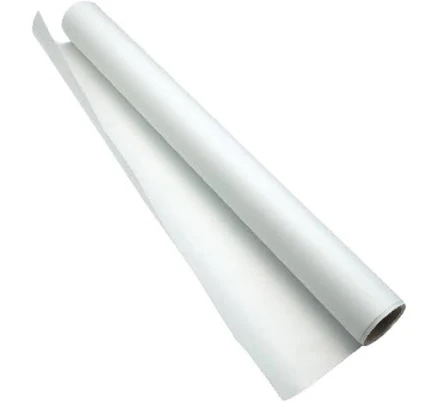
Fox Run · Parchment Paper & Baking Liners
Fox Run Parchment Paper Roll 5772
Skip this until Fox Run explains what coating chemistry they use.
Fox Run uses an unidentified water and grease-resistant coating typical of parchment paper. Parchment traditionally relies on fluorinated compounds for nonstick and grease resistance.
The better-graded swap
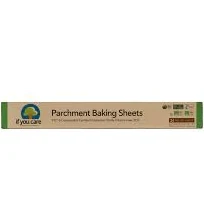
If You Care
Parchment Baking Sheets
90/100 safety
Same rubric that flunked this product. The swap earned Excellent.
Still want this one anyway? Check the price on Amazon. We’d swap it.
Material
cellulose paper with grease-resistant coating (type unspecified)
Brand disclosure
Brand is silent on PFAS
Lab data
No public lab test
You may also be interested in
Top-graded picks in the categories readers replace first, every one scored on the same rubric.

Aqua Pure
3M Aqua-Pure AP802B Whole House Filter Housing
- polypropylene filter housing, carbon/sediment cartridge
- We found no PFAS statement from the brand
- Bacterial growth in spent cartridges
3 hazards checked on this product. See all of them.

Aquasure
Premier Series 75 GPD Under Sink Reverse Osmosis Water Filtration System
- RO membrane, carbon filters, stainless steel housing
- We found no PFAS statement from the brand
- Bacterial and microbial growth in housing and filters
4 hazards checked on this product. See all of them.

Avocado
Vegan Mattress
- organic cotton, natural latex, coconut coir, recycled steel coils
- The brand calls it PFAS-free, which we have not verified
- Heavy metals
2 hazards checked on this product. See all of them.
What Fox Run Parchment Paper Roll 5772 is made of, ingredients and materials
Fox Run's parchment paper is cellulose (wood pulp) with an applied grease-resistant coating that remains unspecified on packaging or company websites. Parchment papers typically use silicone, mineral oil, or fluorinated compounds (PFAS) for water and fat repellency. The cellulose substrate itself is benign; the coating determines safety profile. Without disclosure, the greaseproof layer cannot be verified as PFAS-free or food-safe under actual use conditions.
What’s concerning
Category baseline
The starting point for this type of product, before anything specific to this product is counted.
No PFAS disclosure
No public statement from the brand about PFAS in this product.
Waterproof / stain-resistant treatment
Water-repellent coating treatments have historically used PFAS.
PFAS
Undisclosed coating formulation suggests possible fluorinated polymer use common in legacy parchment products. Migration to food at high heat or with fatty/acidic foods is documented for PFAS-coated parchment but graded separately per your framework.
Source, ATSDR ↗Mineral oil or silicone coating transfer
If silicone-coated, minimal migration is expected at typical baking temps. If mineral-oil-based, transfer to fatty foods is possible but not documented as a safety issue at normal use; no Fox Run-specific data available.
Mold or bacterial growth if stored wet
Cellulose paper is hygroscopic and can support mold if stored in humid conditions. Not product-specific but relevant to shelf life and storage practice for any parchment roll.
What’s reassuring
Cellulose degradation and bleach residue
No recalls or adverse reports on Fox Run parchment bleaching agents or degradation byproducts. Paper pulp is typically chlorine-bleached (food-contact concern lower when cured) but unspecified here.
The full breakdown
The brand's record and disclosure
Baking Steel (Fox Run's parent company) does not publish material safety data, ingredient sourcing, or PFAS-avoidance statements on this product line. No third-party certifications (e.g., certification by testing bodies for PFAS absence) are visible on retail listings or official sites. The silence on coating chemistry is notable because parchment manufacturers have increasingly shifted to PFAS-free alternatives; lack of transparency suggests either standard PFAS coatings or reluctance to confirm alternatives.
How it compares in its category
Most premium parchment brands (e.g., If You Care, Composable parchment lines) explicitly market PFAS-free or silicone-only coatings. Fox Run/Baking Steel's silence puts it in the middle-tier category without competitive transparency. Budget and mainstream brands often use legacy PFAS coatings without disclosure. Silicone-coated or mineral-oil-only papers cost more but carry documented safety profiles.
If you buy it
Keep use below 420F (parchment charring point); most household baking falls well below this. Replace rolls annually or sooner if coating visibly degrades, yellows, or becomes brittle. Do not reuse heavily; coating breaks down with heat cycling. Request coating specification from Baking Steel before purchase if PFAS status matters to your household. Store in cool, dry conditions to prevent mold growth on paper fibers.
What we don’t know
- Basis
- Model estimate, 45% confidence, not a lab result
- Lab test
- None on record for this exact product
- Brand statement
- Fox Run has made none
Formulations change between production runs, so check the current label. How we grade.
Better-graded alternatives in Parchment Paper & Baking Liners
If You Care
Baking Paper, Parchment, 70 Square Feet
- silicone-coated parchment paper
- The brand calls it PFAS-free, which we have not verified
- Paper degradation and particulate shedding
If You Care
Parchment Baking Sheets
- unbleached paper with silicone coating
- The brand calls it PFAS-free, which we have not verified
- Silicone coating degradation at high heat
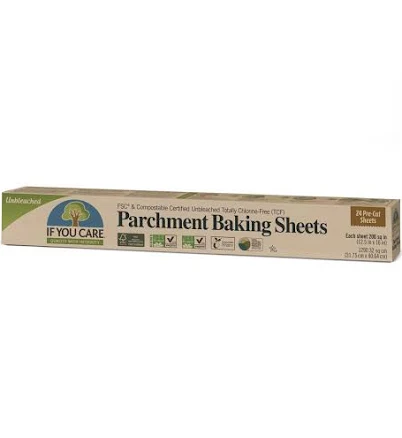
If You Care
Parchment Baking Sheets
- bleached paper with silicone coating
- The brand calls it PFAS-free, which we have not verified
- Paper degradation and fragmentation
More parchment paper & baking liners grades
How we score, every product runs through the same public 0-100 rubric based on materials, coatings, brand disclosure, lab findings, and recalls. See the full methodology → Spotted a mistake? Report an error.