Beyond Gourmet · Parchment Paper & Baking Liners
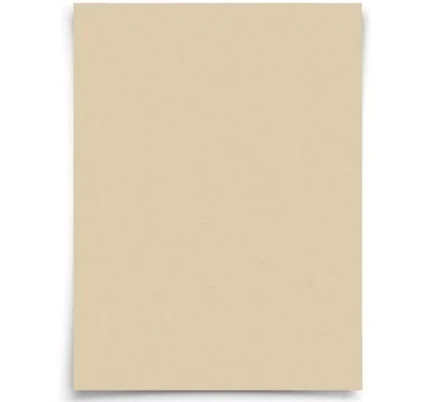
Harold Import Co. Unbleached Pre-Cut Parchment Paper Sheets
Generally lower PFAS risk, but verify the coating source with the brand first.
Harold Import's unbleached parchment avoids some fluorochemical treatments in bleached versions and typically uses silicone or mineral oil coatings. The brand makes no explicit PFAS claims or disclosures.
The better-graded swap
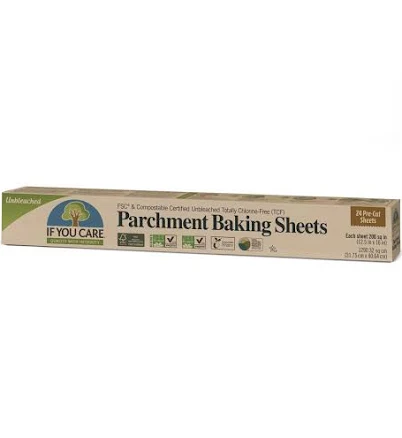
If You Care
If You Care Parchment Baking Sheets
90/100 safety
Same rubric that flunked this product. The swap earned Excellent.
Still want this one anyway? Check the price on Amazon. We’d swap it.
Material
unbleached cellulose paper, silicone-based or mineral-oil food-contact coating
Brand disclosure
Brand is silent on PFAS
Lab data
No public lab test
What Harold Import Co. Unbleached Pre-Cut is made of, ingredients and materials
Harold Import's unbleached parchment is cellulose paper derived from wood pulp, coated with either silicone or mineral oil to create a non-stick, heat-resistant surface suitable for oven use. Unbleached means no chlorine-based whitening agents were applied during manufacture, reducing exposure to bleach residues and byproducts like dioxins. The coating is what prevents food sticking and enables the paper to withstand temperatures up to roughly 420-450 degrees Fahrenheit, depending on formulation.
What’s concerning
Category baseline
The starting point for this type of product, before anything specific to this product is counted.
No PFAS disclosure
No public statement from the brand about PFAS in this product.
Waterproof / stain-resistant treatment
Water-repellent coating treatments have historically used PFAS.
Coating degradation and migration at elevated temperature
Silicone or mineral-oil coatings can degrade, change odor, or shed microparticles if paper is reused repeatedly or exposed to temperatures above 420-450 degrees Fahrenheit; risk is low under normal home use but rises with overheating or contact with very acidic foods.
Mineral-oil food migration (if applicable to batch)
If this product uses mineral-oil coating rather than silicone, food contact, especially with acidic or fatty items, may cause small amounts of mineral oil to leach into food over time. Silicone-coated versions pose negligible risk; verification of coating type from brand is recommended.
What’s reassuring
Bleach residues and dioxins (mitigated by unbleached formulation)
This product is marketed as unbleached, which explicitly avoids chlorine-based whitening. Standard bleached parchment can retain trace dioxin byproducts; unbleached parchment eliminates this concern.
Heavy metals
No recalls or test reports of lead, cadmium, or arsenic in Harold Import parchment paper are on record. Standard cellulose pulp sources are monitored by FDA for heavy-metal content.
Source, FDA ↗Fragrance or additive allergens
Unbleached parchment typically contains no added fragrance or known allergens; product labeling does not indicate added perfumes or dyes.
The full breakdown
The brand's record and disclosure
Harold Import Company (parent of Beyond Gourmet line) has not published comprehensive PFAS or chemical disclosure statements in publicly available sources. The brand does not hold third-party certifications such as FDA pre-approval or NSF listings for this specific product, though parchment paper is FDA-cleared as a food-contact material under CFR 176.170. No recalls or safety controversies have been established for this product line.
How it compares in its category
Unbleached parchment sits at the cleaner end of the baking-liner spectrum, avoiding bleach chemistry that some competitors use. Silicone-coated versions (common) are generally preferred over older mineral-oil coatings because silicone is more heat-stable and does not migrate into acidic foods as readily. Pre-cut sheets in this product reduce waste versus rolls, and Beyond Gourmet positions itself as a value alternative to premium brands like If You Care, which offer explicit PFAS-free or compostable claims.
If you buy it
Use parchment at oven temperatures below 420 degrees Fahrenheit to avoid coating breakdown and potential odor or smoke. Replace sheets after visible browning, tears, or repeated use at high heat; degraded coatings may shed into food. Store in a cool, dry place away from direct sunlight to prevent brittleness. Contact Harold Import directly to confirm whether the coating is silicone-based and whether PFAS-free manufacturing is documented; this single step addresses your PFAS concern.
What we don’t know
- Basis
- Model estimate, 72% confidence, not a lab result
- Lab test
- None on record for this exact product
- Brand statement
- Beyond Gourmet has made none
Formulations change between production runs, so check the current label. How we grade.
Better-graded alternatives in Parchment Paper & Baking Liners
If You Care
Baking Paper, Parchment, 70 Square Feet
- silicone-coated parchment paper
- The brand calls it PFAS-free, which we have not verified
- Paper degradation and particulate shedding
If You Care
Parchment Baking Sheets
- unbleached paper with silicone coating
- The brand calls it PFAS-free, which we have not verified
- Silicone coating degradation at high heat
If You Care
Parchment Baking Sheets
- bleached paper with silicone coating
- The brand calls it PFAS-free, which we have not verified
- Paper degradation and fragmentation
More parchment paper & baking liners grades
How we score, every product runs through the same public 0-100 rubric based on materials, coatings, brand disclosure, lab findings, and recalls. See the full methodology → Spotted a mistake? Report an error.