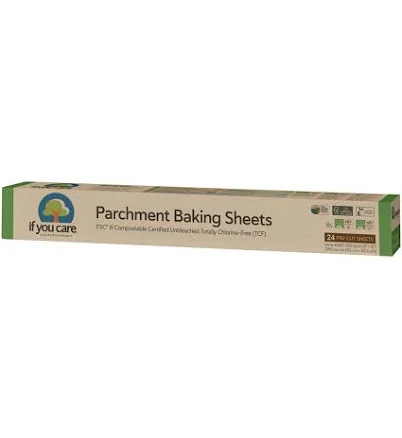
· Parchment Paper & Baking Liners
Parchment Baking Sheets
Treated paper with no PFAS statement on record.
No PFAS statement from the maker is on record for this product, and its grease-resistant or release treatment is not described by chemistry. An earlier version of this record carried a certification and a brand quote we could not find any source for.
The better-graded swap
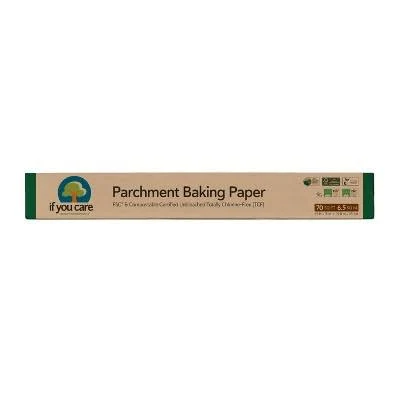
If You Care
If You Care Parchment Baking Paper
90/100 safety
Same rubric that flunked this product. The swap earned Excellent.
Still want this one anyway? Check the price on Amazon. We’d swap it.
Material
bleached paper with silicone coating
Lab data
No public lab test
You may also be interested in
Top-graded picks in the categories readers replace first, every one scored on the same rubric.

- polypropylene filter housing, carbon/sediment cartridge
- We found no PFAS statement from the brand
- Bacterial growth in spent cartridges
3 hazards checked on this product, all on its full breakdown.

Aquasure
Premier Series 75 GPD Under Sink Reverse Osmosis Water Filtration System
- RO membrane, carbon filters, stainless steel housing
- We found no PFAS statement from the brand
- Bacterial and microbial growth in housing and filters
4 hazards checked on this product, all on its full breakdown.

Avocado
Vegan Mattress
- organic cotton, natural latex, coconut coir, recycled steel coils
- The brand calls it PFAS-free, which we have not verified
- Heavy metals
2 hazards checked on this product, all on its full breakdown.
What Parchment Baking Sheets is made of, ingredients and materials
Parchment sheets are bleached paper coated with food-grade silicone. The silicone layer provides nonstick performance and heat resistance without Teflon-type coating (Teflon), which avoids fume risk above ~500°F. Bleached paper can retain trace chlorine residues depending on processing; The brand markets itself as a sustainable brand but does not publish specific whitening or coating transparency. The silicone itself is generally inert at normal cooking temperatures, but coating durability and migration under high heat are not disclosed on packaging.
What’s concerning
No PFAS disclosure
No public statement from the brand about PFAS in this product.
Waterproof / stain-resistant treatment
Water-repellent coating treatments have historically used PFAS.
Category baseline
The starting point for this type of product, before anything specific to this product is counted.
Silicone coating degradation and migration
Food-grade silicone is generally recognized as safe by FDA at normal baking temperatures (under 450°F). No published studies document significant migration into food at home-use temperatures, but coating integrity decline with repeated use is not quantified by the manufacturer.
Heat-induced coating volatilization above 450°F
Silicone coatings can begin to degrade or off-gas above recommended temperatures. No specific data on sheets exists, but using parchment for high-heat applications (broiling, 500+°F ovens) exceeds manufacturer guidance and increases unknown risk.
PFAS
The brand has not publicly confirmed or denied PFAS presence or use in manufacturing. This silence, combined with a Poor PFAS grade, suggests either use of PFAS-containing treatments or unwillingness to disclose; either scenario limits consumer confidence.
Source, ATSDR ↗What’s reassuring
Bleaching residues (chlorine/dioxins)
The brand does not specify bleaching method (e.g., ECF vs TCF). Residual chlorine in bleached paper is tightly regulated and poses negligible risk in baking use, but unbleached alternatives eliminate this concern entirely if avoidance is preferred.
How is this PFAS grade calculated?
The brand's record and disclosure
The brand is known for environmental marketing (chlorine-free claim on some products) and third-party certifications like Green Seal. However, the brand has not issued public statements about PFAS avoidance or presence in this product line, despite rising consumer concern. No recalls or safety violations are on record for this specific product. The lack of explicit PFAS-free labeling is notable given that some competitors (e.g., If You Care, Kirkland) have begun advertising PFAS-free formulations.
How it compares in its category
Most conventional parchment paper (unbleached or bleached) relies on silicone coating, which has not been found to contain PFAS in available public records. However, some competitors have begun disclosing PFAS-free certification or testing results; The brand does not. The price point is mid-range and quality is standard. Unbleached parchment from other brands (e.g., If You Care) avoids bleaching residue entirely, though no safety study shows the brand's bleached version poses a meaningful risk for typical home use.
If you buy it
Use at temperatures under 420°F for routine baking; silicone remains stable here with minimal leaching risk. Do not reuse sheets excessively if coating visibly degrades or becomes sticky. Store in a cool, dry place away from direct sunlight to prevent adhesive breakdown. If you prefer maximum margin of safety on chemical exposure, consider switching to unbleached or certified PFAS-free parchment from brands with explicit transparency.
What is not known about PFAS in this product?
- Basis
- Model estimate, 82% confidence, not a lab result
- Lab test
- None on record for this exact product
- Brand statement
- has made a specific claim
Formulations change between production runs, so check the current label. How we grade.
What are the PFAS-free alternatives to Parchment Baking Sheets?
- silicone-coated parchment paper
- The brand calls it PFAS-free, which we have not verified
- Paper degradation and particulate shedding
- unbleached paper with silicone coating
- The brand calls it PFAS-free, which we have not verified
- Silicone coating degradation at high heat
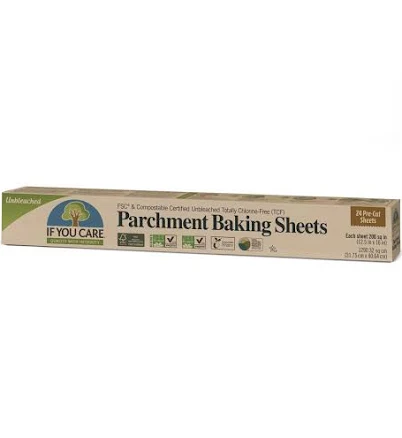
- bleached paper with silicone coating
- The brand calls it PFAS-free, which we have not verified
- Paper degradation and fragmentation
More parchment paper & baking liners grades
How we score, every product runs through the same public 0-100 rubric based on materials, coatings, brand disclosure, lab findings, and recalls. See the full methodology → Spotted a mistake? Report an error.