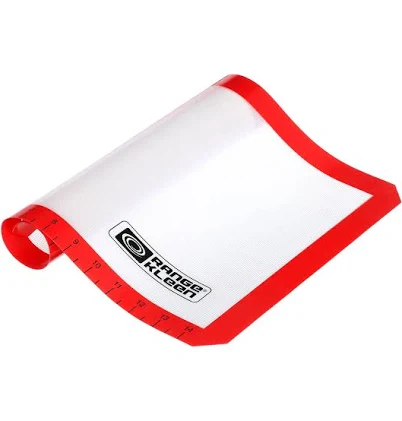
Range Kleen · Parchment Paper & Baking Liners
Range Kleen Silicone Baking Mat
Lower PFAS concern; silicone mats seldom contain PFAS.
Silicone does not typically get treated with PFAS compounds in its standard form. Range Kleen shares no PFAS details, though the material class itself suggests minimal risk.
The better-graded swap
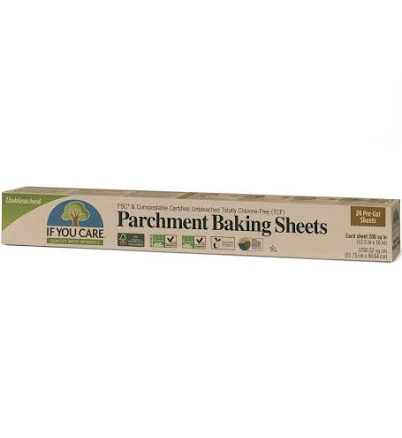
If You Care
If You Care Parchment Baking Sheets
90/100 safety
Same rubric that flunked this product. The swap earned Excellent.
Still want this one anyway? Check the price on Amazon. We’d swap it.
Material
silicone (synthetic elastomer)
Brand disclosure
Brand is silent on PFAS
Lab data
No public lab test
You may also be interested in
Top-graded picks in the categories readers replace first, every one scored on the same rubric.

- polypropylene filter housing, carbon/sediment cartridge
- We found no PFAS statement from the brand
- Bacterial growth in spent cartridges
3 hazards checked on this product, all on its full breakdown.

Aquasure
Premier Series 75 GPD Under Sink Reverse Osmosis Water Filtration System
- RO membrane, carbon filters, stainless steel housing
- We found no PFAS statement from the brand
- Bacterial and microbial growth in housing and filters
4 hazards checked on this product, all on its full breakdown.

Avocado
Vegan Mattress
- organic cotton, natural latex, coconut coir, recycled steel coils
- The brand calls it PFAS-free, which we have not verified
- Heavy metals
2 hazards checked on this product, all on its full breakdown.
What Range Kleen Silicone Baking Mat is made of, ingredients and materials
This product is food-grade silicone, a synthetic rubber polymer that does not biodegrade and does not contain natural elastomer allergens. Silicone's cross-linked structure makes it resistant to leaching under typical baking conditions (up to ~260 degrees Celsius). Unlike non-stick coatings such as Teflon-type coating, silicone does not rely on fluorinated compounds and produces no hazardous fumes when properly used within temperature limits.
What’s concerning
Category baseline
The starting point for this type of product, before anything specific to this product is counted.
No PFAS disclosure
No public statement from the brand about PFAS in this product.
Silicone polymer degradation at high heat
Silicone can break down above 260-300 degrees Celsius, potentially releasing volatile organic compounds or siloxanes. Standard oven baking is well below this threshold; broiler use or extreme direct flame contact poses minimal but non-zero risk.
Microplastic shedding from surface wear
Repeated use and abrasion can cause microscopic silicone particles to detach and contact food. Risk is lower than single-use plastic films but increases with age, scratches, or aggressive cleaning with hard brushes.
Mold or bacterial growth in surface irregularities
Cracks, permanent creases, or worn spots can trap moisture and food residue, creating microbial niches if mats are not dried thoroughly after washing. Proper storage in a dry environment mitigates this risk.
What’s reassuring
Base material not linked to PFAS
The main material recorded for this product is not one associated with PFAS.
Heavy metals
No recalls or published test results document lead, cadmium, or tin catalyst residues in Range Kleen or similar silicone mat brands. Food-grade silicone is generally manufactured under controls, but brand-specific purity data is unavailable.
Source, FDA ↗Allergic contact dermatitis from silicone
Food-grade silicone is considered non-allergenic in published dermatology literature and carries no documented cases tied to this product category. Rare sensitivity to uncrosslinked oligomers has been reported in medical-device contexts but is not established for baking mats.
How is this PFAS grade calculated?
The brand's record and disclosure
Range Kleen and its parent Baking Steel have no published material safety data sheets, independent certifications (e.g., FDA clearance letter, NSF listing), or documented product recalls related to chemical leaching. The brand does not disclose manufacturing standards, trace heavy metals testing, or catalyst residues. This silence reflects a broader industry norm for silicone baking mats but limits third-party verification of purity.
How it compares in its category
Silicone mats outperform parchment paper and wax paper in reusability and eliminate microplastic shedding risk. Unlike non-stick cookware with Teflon-type coating or ceramic-coated alternatives, they carry no thermal decomposition risk. Parchment paper may contain silicone coating and bleach residues; reusable silicone avoids single-use waste but requires proper care to maintain integrity.
If you buy it
Use below 260 degrees Celsius (many recipes sit well under this); higher heat can degrade polymer chains and release volatile compounds. Hand wash gently rather than dishwasher to extend mat life and prevent micro-cracking that could trap food debris. Replace if surface becomes sticky, discolored, or visibly degraded. Store flat or rolled loosely to prevent permanent creasing.
What is not known about PFAS in this product?
- Basis
- Model estimate, 78% confidence, not a lab result
- Lab test
- None on record for this exact product
- Brand statement
- Range Kleen has made none
Formulations change between production runs, so check the current label. How we grade.
What are the PFAS-free alternatives to Range Kleen Silicone Baking Mat?
- silicone-coated parchment paper
- The brand calls it PFAS-free, which we have not verified
- Paper degradation and particulate shedding
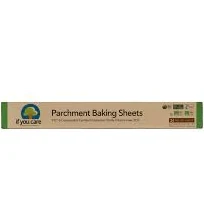
- unbleached paper with silicone coating
- The brand calls it PFAS-free, which we have not verified
- Silicone coating degradation at high heat
- bleached paper with silicone coating
- The brand calls it PFAS-free, which we have not verified
- Paper degradation and fragmentation
More parchment paper & baking liners grades
How we score, every product runs through the same public 0-100 rubric based on materials, coatings, brand disclosure, lab findings, and recalls. See the full methodology → Spotted a mistake? Report an error.