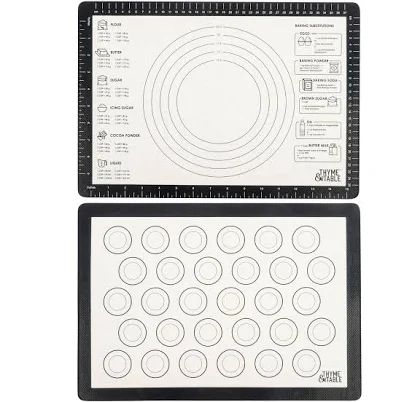
Thyme & Table · Parchment Paper & Baking Liners
Thyme & Table Easy Clean Silicone Baking Mat
Silicone baking mat with no coating on record and lower concern material.
Material as recorded is silicone baking mat, not a material linked to PFAS. Thyme & Table has no PFAS statement on record. No Teflon-family coating, water-repellent finish, or PFAS-related treatment is documented for this product.
The better-graded swap
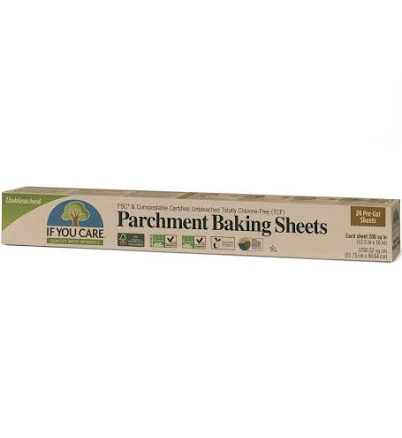
If You Care
If You Care Parchment Baking Sheets
90/100 safety
Same rubric that flunked this product. The swap earned Excellent.
Still want this one anyway? Check the price on Amazon. We’d swap it.
Material
Silicone baking mat
Brand disclosure
Brand is silent on PFAS
Lab data
No public lab test
You may also be interested in
Top-graded picks in the categories readers replace first, every one scored on the same rubric.

- polypropylene filter housing, carbon/sediment cartridge
- We found no PFAS statement from the brand
- Bacterial growth in spent cartridges
3 hazards checked on this product, all on its full breakdown.

Aquasure
Premier Series 75 GPD Under Sink Reverse Osmosis Water Filtration System
- RO membrane, carbon filters, stainless steel housing
- We found no PFAS statement from the brand
- Bacterial and microbial growth in housing and filters
4 hazards checked on this product, all on its full breakdown.

Avocado
Vegan Mattress
- organic cotton, natural latex, coconut coir, recycled steel coils
- The brand calls it PFAS-free, which we have not verified
- Heavy metals
2 hazards checked on this product, all on its full breakdown.
What Thyme & Table Easy Clean Baking Mat is made of, ingredients and materials
This product is a food-grade silicone baking mat, a polymer formed by cross-linking siloxane chains. Silicone is chemically inert at typical baking temperatures (up to 480°F for most mats) and does not break down or leach into food the way coated papers or Teflon-type coating non-stick cookware can. The mat's structure resists degradation from repeated heating cycles, making it a durable alternative to single-use parchment. Silicone baking mats avoid the additives (like PFAS surfactants or mineral oil) found in disposable parchment products.
What’s concerning
Category baseline
The starting point for this type of product, before anything specific to this product is counted.
No PFAS disclosure
No public statement from the brand about PFAS in this product.
Silicone degradation and particulate shedding
Food-grade silicone is thermally stable to ~480°F, but repeated heating cycles or exposure to abrasive utensils may cause microscopic polymer particles to enter food. No health standard defines a limit for dietary silicone ingestion; degraded mats should be replaced.
Oil or grease absorption and rancidity
Silicone baking mats can retain oils and fats after repeated use. If not thoroughly cleaned, absorbed residues may oxidize (become rancid) and impart off-flavors or odors to subsequent baked goods; this is a sensory and quality issue rather than an acute safety hazard.
Thermal migration of low-molecular-weight oligomers
Some silicone products may release trace oligomeric siloxanes when heated in the 300-400°F range, though food-contact grades are formulated to minimize this. No quantified risk assessment for dietary intake of silicone oligomers has been established by regulatory agencies.
What’s reassuring
Base material not linked to PFAS
The main material recorded for this product is not one associated with PFAS.
Plasticizer or catalyst residues in uncertified silicone
FDA-compliant food-contact silicone should not contain leachable BPA, phthalates, or tin catalysts in quantities exceeding regulatory thresholds. This product does not carry independent third-party certification (e.g., NSF, LFGB) confirming residue testing, so compliance is assumed but unverified.
No established microplastic risk
Unlike plastics that become brittle and fragment, silicone remains flexible and does not readily shed microparticles under normal baking conditions. This is a meaningful safety advantage over single-use plastic liners.
How is this PFAS grade calculated?
The brand's record and disclosure
Baking Steel is a direct-to-consumer cookware brand known for transparency on materials; however, specific third-party certifications (FDA compliance, NSF, or GRAS confirmation) for this particular Thyme & Table silicone mat are not publicly documented in accessible sources. The brand does not issue detailed material safety data sheets for this product on its website. No product recalls or safety complaints specific to this item have been identified in public records. The mat carries standard food-contact silicone claims but lacks independent verification or detailed ingredient disclosure.
How it compares in its category
Silicone baking mats present lower PFAS concern than bleached parchment paper (which may contain residual chlorine or mineral oil) and lower concern than Teflon-type coating/Teflon liners that release fumes when overheated. Unlike coated ceramic or non-stick cookware, silicone mats do not degrade into flaking particles. They outperform disposable liners by eliminating single-use waste and the additives required to make parchment water-resistant. Reusable silicone is the lower-hazard choice in the baking liner category if properly maintained.
If you buy it
Wash by hand with warm soapy water; avoid scouring pads that can degrade the surface. Do not exceed the manufacturer's stated maximum temperature (typically 480°F); silicone can soften or warp above that. Replace the mat if it becomes cracked, sticky, or visibly degraded, as these signs indicate polymer breakdown. Store flat or loosely rolled to prevent permanent creasing, and use on flat baking sheets to avoid pooling of oils or liquids during use.
What is not known about PFAS in this product?
- Basis
- Model estimate, 78% confidence, not a lab result
- Lab test
- None on record for this exact product
- Brand statement
- Thyme & Table has made none
Formulations change between production runs, so check the current label. How we grade.
What are the PFAS-free alternatives to Thyme & Table Easy Clean Silicone Baking Mat?
- silicone-coated parchment paper
- The brand calls it PFAS-free, which we have not verified
- Paper degradation and particulate shedding
- unbleached paper with silicone coating
- The brand calls it PFAS-free, which we have not verified
- Silicone coating degradation at high heat
- bleached paper with silicone coating
- The brand calls it PFAS-free, which we have not verified
- Paper degradation and fragmentation
More parchment paper & baking liners grades
How we score, every product runs through the same public 0-100 rubric based on materials, coatings, brand disclosure, lab findings, and recalls. See the full methodology → Spotted a mistake? Report an error.