· Incontinence Pads & Protection
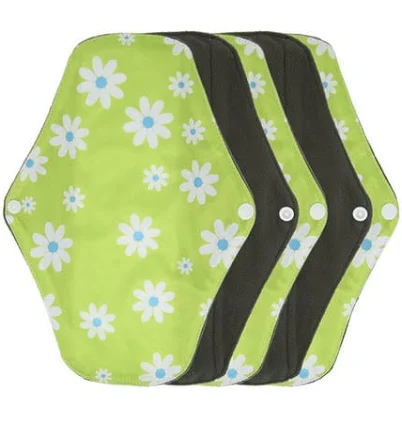
5pcs Bamboo Charcoal Washable Incontinence Pads
Lower PFAS concern. Washable pads typically avoid water-repellent coating coatings.
Bamboo charcoal washable incontinence pads are primarily textile-based and rarely treated with PFAS water-repellent finishes. No public PFAS disclosures exist for this brand, though coating details remain unspecified.
We flunk more products than we pass. This one earned its grade. How we grade
Material
bamboo charcoal textile, washable cotton-blend absorbent layer
Brand disclosure
Brand is silent on PFAS
Lab data
No public lab test
What 5pcs Bamboo Charcoal Washable is made of, ingredients and materials
These pads combine bamboo charcoal textile (the absorbent core) with a cotton-blend outer layer. Bamboo charcoal itself is processed bamboo treated with heat and oxidation to create porous particles; the safety profile depends heavily on how the fabric is dyed, finished, and whether chemical binders are used to affix charcoal to the weave. Washable incontinence pads typically avoid waterproof membranes that would require PFAS water-repellent coatings, reducing one major hazard class compared to disposable pads.
What’s concerning
Category baseline
The starting point for this type of product, before anything specific to this product is counted.
No PFAS disclosure
No public statement from the brand about PFAS in this product.
Azo dyes and synthetic colorants
Bamboo fabric is typically dyed with synthetic dyes during manufacturing. Azo dyes can break down into aromatic amines, some of which are carcinogenic; no product-specific testing has been published for pads. Request color-fastness and azo testing from vendor.
Formaldehyde / VOCs
Bamboo charcoal particles must be bonded to textile fibers using chemical binders; urea-formaldehyde or melamine resins are common in low-cost manufacturing. No disclosure from the brand confirms or rules out formaldehyde-releasing treatments in the finishing process.
Source, ATSDR ↗Bacterial growth and moisture retention
Washable pads worn against skin in a moist environment can harbor bacteria and fungal growth if not dried completely or washed frequently enough. Bamboo charcoal's porous structure may trap moisture; inadequate drying between washes increases risk of skin irritation and infection.
Coating or adhesive degradation over repeated washing
If the pads use synthetic adhesives or laminate layers to hold layers together, repeated hot or aggressive washing can cause delamination, releasing particles or residual chemicals. The brand has not published durability or wash-cycle specifications.
What’s reassuring
Base material not linked to PFAS
The main material recorded for this product is not one associated with PFAS.
Heavy metals
Bamboo charcoal and textile dyes can accumulate trace metals (cadmium, lead, arsenic) depending on source and processing. No recalls or test results are publicly available for this product; buy only if vendor can confirm third-party heavy metal screening.
Source, FDA ↗The full breakdown
The brand's record and disclosure
The brand has not published material safety data sheets, certifications (OEKO-TEX, GOTS), or chemical sourcing disclosures in publicly available sources. No recalls or safety complaints are on record for this specific product line as of available data. The brand's silence on dye chemistry, formaldehyde-free processing, and charcoal sourcing makes independent verification difficult and is a red flag for transparency-conscious buyers.
How it compares in its category
Washable bamboo charcoal pads sit in a middle tier, better than disposables because they avoid single-use plastic and laminate laminates, but less documented than certified organic cotton or medical-grade washable pads from established manufacturers. Charcoal-infused textiles are marketed for odor control and absorbency but lack standardized safety testing in most regions. Comparable washable pads from major brands often carry OEKO-TEX or similar certifications; The brand's absence of these is notable.
If you buy it
Wash before first use with fragrance-free detergent to remove excess dyes and finishes. Machine wash in warm or cool water (check label for temperature limit) and air-dry to preserve absorbency and avoid degrading any elastic or adhesive components. Replace pads if the absorbent layer begins to clump, separate, or emit persistent odors even after washing. Store in a dry place to prevent mildew growth in the bamboo charcoal layer.
What we don’t know
- Basis
- Model estimate, 72% confidence, not a lab result
- Lab test
- None on record for this exact product
- Brand statement
- has made none
Formulations change between production runs, so check the current label. How we grade.
More incontinence pads & protection grades
How we score, every product runs through the same public 0-100 rubric based on materials, coatings, brand disclosure, lab findings, and recalls. See the full methodology → Spotted a mistake? Report an error.