· Incontinence Pads & Protection
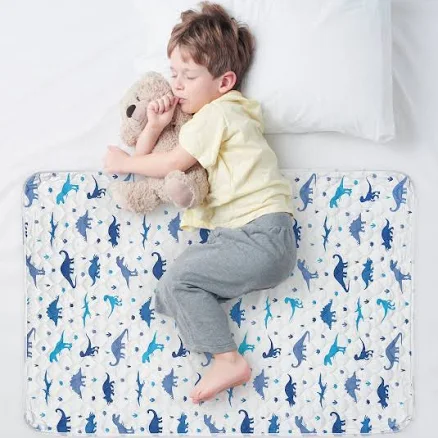
Organic Bamboo Incontinence Pads - White Dinosaur
Lower PFAS concern. Bamboo materials rarely require fluorochemical treatment.
Incontinence pads made from organic bamboo fibers present lower inherent PFAS risk than synthetic polymer films. The brand makes no public statement about treatments or PFAS testing.
We flunk more products than we pass. This one earned its grade. How we grade
Material
Organic bamboo fiber with absorbent core
Brand disclosure
Brand is silent on PFAS
Lab data
No public lab test
What Organic Bamboo Incontinence Pads - White is made of, ingredients and materials
This product uses organic bamboo fiber as the primary material, which is inherently low-risk for toxic leaching because bamboo cellulose does not require heavy metal stabilizers or halogenated flame retardants. The critical unknown is the absorbent core composition, typically sodium polyacrylate superabsorbent polymer (SAP) or wood pulp blend, which itself is low-toxicity but may be treated with preservatives, antimicrobial agents, or trace formaldehyde-releasing resins during manufacturing. Organic certification of the bamboo fiber itself reduces pesticide residue risk but does not guarantee the entire pad assembly is non-toxic.
What’s concerning
Category baseline
The starting point for this type of product, before anything specific to this product is counted.
No PFAS disclosure
No public statement from the brand about PFAS in this product.
Formaldehyde / VOCs
Incontinence pad cores may contain urea-formaldehyde or melamine-formaldehyde binders; The brand does not disclose core treatment. Off-gassing risk is low in contact with skin but increases if pads are heated or stored in warm, humid conditions.
Source, ATSDR ↗Antimicrobial additives and preservatives (unidentified)
Absorbent cores are often treated with antimicrobial agents (e.g., triclosan-class compounds) to prevent bacterial and fungal growth. The brand's silence on this treatment means potential for skin sensitization or irritation in users with sensitive skin or history of contact dermatitis.
Degradation of bamboo fiber and core polymers over time
Bamboo cellulose is prone to hydrolysis when exposed to moisture and heat over time. Long-term storage or use of degraded pads may release microscopic fibers or reactive byproducts from the SAP core; no brand testing has been publicly disclosed to characterize this risk.
Bacterial or fungal growth in absorbent core if moisture-damaged
Incontinence pads are inherently moist environments. If packaging is compromised, stored improperly, or pads are reused after opening, microbial colonization can occur; bamboo fiber is not inherently resistant to such growth. Risk is managed by proper storage and disposal but not eliminated by material choice alone.
What’s reassuring
Base material not linked to PFAS
The main material recorded for this product is not one associated with PFAS.
Pesticide residue
Organic certification typically ensures pesticide-free cultivation, but processing chemicals (bleach, dyes) used to convert bamboo pulp into fiber may introduce trace contaminants. No specific residue testing for this brand is on record.
Source, EPA ↗The full breakdown
The brand's record and disclosure
The brand has not publicly disclosed detailed material safety data, third-party testing results, or certifications (such as Oeko-Tex, ISO 14001, or similar) for these incontinence pads. The brand's silence on PFAS and chemical processing makes independent verification difficult. No major recalls or safety controversies are on record for this brand, but the lack of transparency is a meaningful gap for a personal hygiene product in direct contact with sensitive skin.
How it compares in its category
Incontinence pads from mainstream manufacturers (Tena, Depend, Always Discreet) typically use similar materials, rayon/cellulose fiber, SAP cores, polyethylene backing, and carry similar hazard profiles. Bamboo-based alternatives are increasingly marketed as 'organic' and 'eco-friendly,' but chemical safety data across brands in this segment is sparse. This product's bamboo fiber composition has lower concern than some synthetic alternatives; the difference lies in manufacturing transparency and core component certification, which the brand has not established.
If you buy it
Wash your hands after handling and disposal to minimize any contact with the absorbent core polymer. Do not expose pads to heat (washing machines above 60°C/140°F or direct sunlight for extended periods) as this can degrade the bamboo fiber and potentially accelerate degradation of unknown additives in the core. Replace pads if you notice delamination, odor that persists after changing, or skin irritation. Store in a cool, dry place to prevent mold growth in the absorbent material, and inspect packaging for signs of moisture damage before use.
What we don’t know
- Basis
- Model estimate, 72% confidence, not a lab result
- Lab test
- None on record for this exact product
- Brand statement
- has made none
Formulations change between production runs, so check the current label. How we grade.
More incontinence pads & protection grades
How we score, every product runs through the same public 0-100 rubric based on materials, coatings, brand disclosure, lab findings, and recalls. See the full methodology → Spotted a mistake? Report an error.