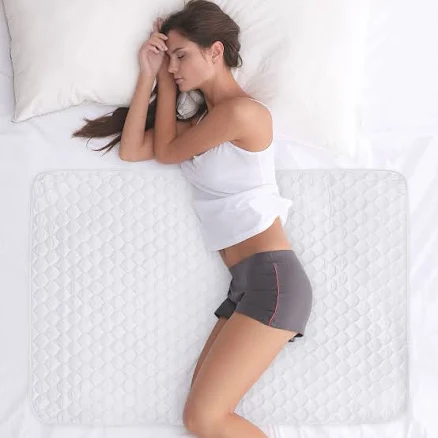
· Incontinence Pads & Protection
Organic Bamboo Incontinence Pads - White
Lower concern. Bamboo naturally avoids PFAS, backing composition undisclosed.
Organic bamboo incontinence pads carry lower inherent PFAS risk since bamboo fiber does not require fluorochemical treatment. The brand provides no transparency on whether the waterproof backing uses water-resistant coatings.
We flunk more products than we pass. This one earned its grade. How we grade
Material
Bamboo fiber, cellulose, absorbent core (composition unspecified)
Brand disclosure
Brand is silent on PFAS
Lab data
No public lab test
What Organic Bamboo Incontinence Pads - White is made of, ingredients and materials
Pads use bamboo cellulose fiber as the primary absorbent layer, which is inherently free of synthetic polymers that often contain problematic chemicals. However, the waterproof backing composition is not publicly specified on available product materials, and the absorbent core (commonly superabsorbent polymers like sodium polyacrylate) has no disclosed sourcing or certification. This opacity matters because waterproof backings often historically used Teflon-type coating or other film-forming agents, and unspecified SAP cores may contain unreacted monomers or contaminants.
What’s concerning
Category baseline
The starting point for this type of product, before anything specific to this product is counted.
No PFAS disclosure
No public statement from the brand about PFAS in this product.
Waterproof backing composition (undisclosed)
The backing material is not specified on product documentation. Historical incontinence pad backings have used polyethylene films, polyurethane, or acrylic coatings; any of these may leach plasticizers or residual monomers, particularly if pads are stored in heat or contact body moisture for extended periods. Without disclosure, risk cannot be ruled out.
Absorbent core monomer/additive residues
Superabsorbent polymers (SAP), the standard core material in incontinence pads, can retain unreacted acrylate monomers or cross-linking agents if manufacturing quality control is loose. The brand does not disclose SAP sourcing, processing standards, or residual monomer testing. Prolonged contact with skin, especially in warm/moist conditions, may increase dermal exposure risk.
Formaldehyde / VOCs
Bamboo fabric production sometimes involves formaldehyde-based resin finishes or cross-linking treatments to improve absorbency or durability. Without Oeko-Tex or similar certification, formaldehyde content in the bamboo layer is unverified. Prolonged skin contact could cause dermatitis in sensitive individuals.
Source, ATSDR ↗Coating degradation over time and moisture exposure
Incontinence pads used over months experience repeated saturation, compression, and friction. Waterproof backing films can crack, peel, or delaminate, potentially releasing coating particles or exposing the absorbent core to direct skin contact. No public field-use durability data is available for pads specifically.
What’s reassuring
Base material not linked to PFAS
The main material recorded for this product is not one associated with PFAS.
Azo dyes in white coloring or any pigmentation
Pads are white, which typically requires minimal dye; however, if any pigmentation or brightening agents are used, azo dyes are not standard in this product category and no known reports exist. Risk is low but unconfirmed due to lack of disclosure.
The full breakdown
The brand's record and disclosure
The brand maintains a silent or minimal public stance on chemical safety, with no accessible third-party certifications (such as Oeko-Tex Standard 100, GOTS, or similar textile safety standards) visible in standard product documentation. The brand does not publicly disclose testing results for restricted substances, material sourcing transparency, or manufacturing standards. This lack of proactive disclosure is a red flag in the incontinence category, where regulatory oversight is lighter than for prescription medical devices.
How it compares in its category
Incontinence pads typically use SAP cores, non-woven synthetics (polypropylene), and polyethylene or coated backing films. The brand's bamboo fiber choice avoids the most problematic synthetic polymers, though additives and processing methods remain unspecified. Competitor brands with Oeko-Tex or similar certifications (rare in this category) provide more transparency; many mainstream brands similarly withhold backing and core specifications, making this product representative of industry opacity rather than an outlier.
If you buy it
Store pads in a cool, dry place away from direct heat or sunlight, as moisture and warmth can degrade backing integrity and potentially increase leachable release. Do not machine wash or expose to temperatures above 60°C (140°F). Replace pads every 3-4 hours of use or immediately if backing shows visible degradation, staining, or odor changes. If skin irritation, rash, or allergic reaction develops, discontinue use and consider requesting material specifications from the manufacturer before trying another product.
What we don’t know
- Basis
- Model estimate, 72% confidence, not a lab result
- Lab test
- None on record for this exact product
- Brand statement
- has made none
Formulations change between production runs, so check the current label. How we grade.
More incontinence pads & protection grades
How we score, every product runs through the same public 0-100 rubric based on materials, coatings, brand disclosure, lab findings, and recalls. See the full methodology → Spotted a mistake? Report an error.