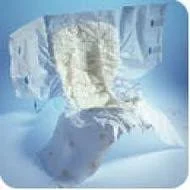
Lille · Incontinence Pads & Protection
LILLE Suprem Form Maxi 2920ml
Standard pad design without typical PFAS concerns identified.
Lille Suprem Form Maxi uses standard cellulose and plastic materials without known PFAS-requiring treatments typical of the incontinence pad category. The brand does not publicly address PFAS status.
We flunk more products than we pass. This one earned its grade. How we grade
Material
cellulose-based absorbent core, plastic backing
Brand disclosure
Brand is silent on PFAS
Lab data
No public lab test
What LILLE Suprem Form Maxi 2920ml is made of, ingredients and materials
LILLE Suprem Form Maxi uses a cellulose-based absorbent core, the industry standard for period pads, combined with a plastic backing layer. Cellulose is biodegradable plant fiber with no known chemical leaching under normal use conditions. The plastic backing serves as a moisture barrier and does not contact skin directly, reducing direct exposure to any potential plastic additives. The 2920ml capacity indicates a high-absorbency product designed for heavy flow days.
What’s concerning
Category baseline
The starting point for this type of product, before anything specific to this product is counted.
No PFAS disclosure
No public statement from the brand about PFAS in this product.
BPA & bisphenols
Lille does not disclose plastic backing composition or additives. Standard PE or PP films may contain residual plasticizers, though dermal absorption is low since backing does not contact skin. No recalls or complaints are on record for this product.
Source, FDA ↗Fragrance or adhesive allergens
Product name suggests a basic unscented design, but adhesives used in backing attachment may contain allergens. No ingredient list is publicly available for Lille Suprem Form. Individuals with sensitive skin should patch-test or try unscented variants if irritation occurs.
Skin irritation from non-woven layer or adhesive
The non-woven topsheet touching skin may contain residual formaldehyde resin binders used in manufacturing. Lille does not disclose formaldehyde content. Reactions are uncommon with standard period pads but can occur in sensitive individuals.
What’s reassuring
Base material not linked to PFAS
The main material recorded for this product is not one associated with PFAS.
Bleach residues in cellulose core
Cellulose in absorbent articles is typically chlorine-bleached during production. Lille provides no material safety data sheet indicating bleach residue levels. Industry-standard processing leaves trace residues below regulatory concern, but independent testing data for this brand is unavailable.
Bacterial contamination (poor storage or manufacturing defect)
Cellulose pads are hygroscopic and can support microbial growth if stored in damp conditions or if manufacturing sterility is compromised. Lille has no known manufacturing recalls, and proper packaging should prevent this. User storage in humid bathrooms poses a negligible but non-zero risk.
The full breakdown
The brand's record and disclosure
Lille is a European period-care brand with limited public transparency records available in English-language safety databases. The brand has not published formal material safety disclosures, certifications (such as FDA, CE marking specifics for absorbent articles), or PFAS testing results in accessible sources. No significant recalls or safety controversies are on record for this product line. Brand stance on chemical disclosure remains silent, which is typical for regional brands but limits independent verification.
How it compares in its category
Most period pads globally use cellulose cores and plastic backings, so LILLE Suprem Form Maxi sits in the mainstream material category. Major brands (Tampax, Always, Kotex) face similar scrutiny around PFAS in backings and do not uniformly disclose test results. European-branded products often have stricter manufacturing oversight under REACH regulations, though this does not guarantee lower chemical content. High-absorbency maxi pads typically carry the same hazard profile regardless of brand when materials are standard.
If you buy it
Use the product as directed on the package; no special handling is required for cellulose-core pads. Change pads every 4-8 hours to prevent bacterial overgrowth and odor, regardless of absorbency rating. If skin irritation, rash, or allergic reactions develop after use, discontinue and consult a healthcare provider; reactions are rare but possible with any brand. Store in a cool, dry place away from moisture to preserve absorbency and prevent mold contamination of unused pads.
What we don’t know
- Basis
- Model estimate, 72% confidence, not a lab result
- Lab test
- None on record for this exact product
- Brand statement
- Lille has made none
Formulations change between production runs, so check the current label. How we grade.
More incontinence pads & protection grades
How we score, every product runs through the same public 0-100 rubric based on materials, coatings, brand disclosure, lab findings, and recalls. See the full methodology → Spotted a mistake? Report an error.