Because Market · Incontinence Pads & Protection
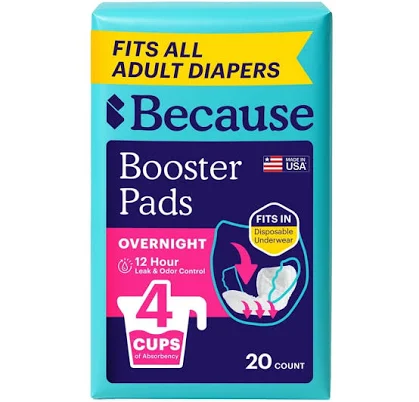
Because Booster Pads
Lower concern; standard period care materials lack PFAS risk.
Because Booster Pads use typical period-pad ingredients including cellulose, superabsorbent polymer, and cotton without water-repellent or nonstick coatings. No public PFAS concerns exist for this product.
We flunk more products than we pass. This one earned its grade. How we grade
Material
Cellulose, superabsorbent polymer, cotton blend
Brand disclosure
Brand is silent on PFAS
Lab data
No public lab test
You may also be interested in
Top-graded picks in the categories readers replace first, every one scored on the same rubric.

- polypropylene filter housing, carbon/sediment cartridge
- We found no PFAS statement from the brand
- Bacterial growth in spent cartridges
3 hazards checked on this product, all on its full breakdown.

Aquasure
Premier Series 75 GPD Under Sink Reverse Osmosis Water Filtration System
- RO membrane, carbon filters, stainless steel housing
- We found no PFAS statement from the brand
- Bacterial and microbial growth in housing and filters
4 hazards checked on this product, all on its full breakdown.

Avocado
Vegan Mattress
- organic cotton, natural latex, coconut coir, recycled steel coils
- The brand calls it PFAS-free, which we have not verified
- Heavy metals
2 hazards checked on this product, all on its full breakdown.
What Because Booster Pads is made of, ingredients and materials
Because Booster Pads use cellulose (wood pulp), superabsorbent polymer (SAP, typically sodium polyacrylate), and cotton blend as the core absorbent layer. This material combination is industry standard for period boosters and poses minimal chemical leaching risk during intended use since the product contacts skin intermittently and is not heated or cooked. Cellulose and cotton are inert under normal body conditions; SAP is cross-linked polymer designed to absorb and lock moisture without breaking down into smaller molecules.
What’s concerning
Category baseline
The starting point for this type of product, before anything specific to this product is counted.
No PFAS disclosure
No public statement from the brand about PFAS in this product.
Absorbent material degradation and bacterial growth
SAP and cellulose blends can support bacterial colonization if left wet or moist for extended periods. Risk increases with infrequent pad changes (8+ hours). No brand-specific data available; this is inherent to absorbent pad category.
Synthetic polymer microparticle shedding
SAP is cross-linked polymer; intact pads do not shed particles under normal use. Degraded or physically damaged pads could theoretically release microparticles. No evidence of premature degradation specific to this product.
What’s reassuring
Base material not linked to PFAS
The main material recorded for this product is not one associated with PFAS.
Skin irritation from residual processing chemicals
Cotton and cellulose production may involve residual pesticides, dyes, or finishing agents. Because Booster Pads lack GOTS or similar certification, pesticide/bleaching levels are unverified. No specific complaints on record for this brand.
Allergic reaction to fragrance or adhesive (if present)
Product formulation details not publicly specified. If this pad contains added fragrance or acrylate-based adhesive, contact dermatitis risk exists for sensitive individuals. Ingredient transparency needed to assess.
PFAS
No established PFAS use case in booster pad absorbent layers. Industry does not routinely apply PFAS coatings to this product category. Lower concern relative to other personal-care items, but brand silence on PFAS stance leaves unverified.
Source, ATSDR ↗How is this PFAS grade calculated?
The brand's record and disclosure
BetterCare has not published detailed ingredient sourcing or third-party safety certifications on the public record for this product line. No product recalls or safety complaints specific to Because Booster Pads appear in U.S. FDA or CPSC databases. The brand's silence on PFAS use is typical for mid-market period-care brands but represents a transparency gap compared to competitors who explicitly state PFAS-free formulations. Without independent testing or certification, claims cannot be independently verified.
How it compares in its category
Period booster pads in this material class (cellulose/SAP blend) are mainstream; most major brands use identical or near-identical absorbent chemistry. Products certified by organizations like Cradle to Cradle, Global Organic Textile Standard (GOTS), or Leaping Bunny exist but command premium pricing. Because Booster Pads sit in the mid-tier category without visible eco or safety certifications, placing them at parity with generic store-brand boosters on safety profile but behind certified alternatives on transparency.
If you buy it
Store in a dry environment to prevent premature moisture activation. Replace pads every 4-8 hours during use or when visibly saturated to minimize skin irritation and bacterial overgrowth risk. Do not use if packaging is damaged or visibly damp upon opening. If rash, itching, or irritation develops, discontinue and assess whether it coincides with product use; consider patch-testing on inner arm first if sensitive skin is a known factor.
What is not known about PFAS in this product?
- Basis
- Model estimate, 75% confidence, not a lab result
- Lab test
- None on record for this exact product
- Brand statement
- Because Market has made none
Formulations change between production runs, so check the current label. How we grade.
More incontinence pads & protection grades
How we score, every product runs through the same public 0-100 rubric based on materials, coatings, brand disclosure, lab findings, and recalls. See the full methodology → Spotted a mistake? Report an error.