· Incontinence Pads & Protection
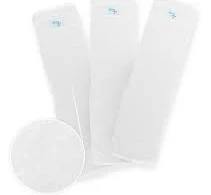
Adult Bamboo Booster Pads
Lower PFAS concern, but manufacturer silence leaves room for uncertainty.
Bamboo booster pads are primarily plant-based materials that typically do not require water-repellent coatings, the main PFAS driver in period products. The brand provides no public PFAS disclosure or testing.
We flunk more products than we pass. This one earned its grade. How we grade
Material
Bamboo fibers, cellulose core, likely cotton or synthetic topsheet
Brand disclosure
Brand is silent on PFAS
Lab data
No public lab test
What Adult Bamboo Booster Pads is made of, ingredients and materials
Pads use bamboo fibers (typically viscose from cellulose) paired with a cellulose absorbent core and a topsheet of cotton or synthetic material. Bamboo viscose production involves chemical processing but avoids inherent synthetic polymer hazards like phthalates found in plastic-based incontinence products. The core's cellulose composition is generally inert, but the integrity and chemical treatments applied during manufacturing are not publicly disclosed.
What’s concerning
Category baseline
The starting point for this type of product, before anything specific to this product is counted.
No PFAS disclosure
No public statement from the brand about PFAS in this product.
Formaldehyde / VOCs
Bamboo viscose and paper-pulp cores may retain residual formaldehyde from manufacturing resins or antimicrobial treatments. No public testing or disclosure from limits certainty, but hydrolysis during prolonged skin contact could release low levels.
Source, ATSDR ↗Dioxane (1,4-dioxane) in synthetic topsheet and adhesives
If the topsheet is synthetic (polypropylene or polyethylene) or if adhesives contain surfactants typical of incontinence pads, trace 1,4-dioxane may be present as a processing byproduct. Not publicly tested or ruled out by the brand.
Skin irritation and maceration from moisture retention
Bamboo viscose and cellulose cores are highly absorbent but can trap moisture against skin if pads are not changed frequently, increasing risk of contact dermatitis, yeast overgrowth, and breakdown of skin barrier in vulnerable populations.
Microplastics
If topsheet is polypropylene or polyethylene, extended wear or mechanical stress can fragment synthetic fibers; environmental and dermal exposure risk is lower than plastic-core competitors but not eliminated.
Source, EPA ↗Residual chemicals from viscose production (sodium hydroxide, sulfuric acid)
Viscose manufacturing uses caustic and acidic solvents; incomplete rinsing or residual sulfites can irritate sensitive skin or trigger allergic contact dermatitis, particularly in individuals with known chemical sensitivity.
What’s reassuring
Base material not linked to PFAS
The main material recorded for this product is not one associated with PFAS.
The full breakdown
The brand's record and disclosure
The brand has minimal public transparency on material sourcing, manufacturing standards, or third-party certifications (no visible claims of OEKO-TEX, ISO 14001, or similar). The brand provides no published statements on PFAS, flame retardants, or dioxane risk mitigation in their supply chain. Absence of formal recalls or major controversies does not offset the lack of proactive disclosure typical of safer-positioned competitors in the incontinence category.
How it compares in its category
Bamboo-based pads occupy a middle ground, better than traditional 100% plastic-topsheet competitors on microplastic and phthalate risk, but less assured than certified organic cotton or rigorously tested medical-grade brands. Many mainstream incontinence pad makers (Depend, Tena) disclose PFAS absence or limits; The brand's silence is a relative disadvantage. Price and marketing appeal to eco-conscious buyers may exceed actual hazard reduction versus labeled alternatives.
If you buy it
Use only as directed and replace promptly when saturated to minimize skin maceration and secondary infection risk. Store in cool, dry conditions away from heat, which can accelerate cellulose degradation and potential odor or breakdown of topsheet adhesives. Monitor for skin irritation (redness, itching), especially if you have sensitive skin or latex allergy, since topsheet glues and bamboo processing residues are not disclosed. Discontinue and consult a healthcare provider if rash or discomfort develops within 24-48 hours of use.
What we don’t know
- Basis
- Model estimate, 72% confidence, not a lab result
- Lab test
- None on record for this exact product
- Brand statement
- has made none
Formulations change between production runs, so check the current label. How we grade.
More incontinence pads & protection grades
How we score, every product runs through the same public 0-100 rubric based on materials, coatings, brand disclosure, lab findings, and recalls. See the full methodology → Spotted a mistake? Report an error.