Bamboo Nature · Incontinence Pads & Protection
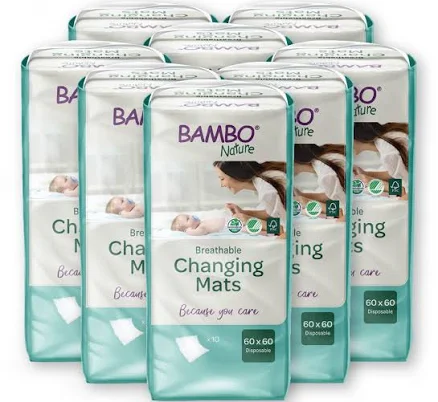
Bambo Nature Changing Mats
Lower PFAS concern for simple absorbent textile. Brand silence is typical.
Bambo Nature Changing Mats are primarily bamboo fiber-based absorbent pads with no known water-resistant coating or performance finish requiring PFAS. The brand does not claim PFAS-free status, which is typical for this category.
We flunk more products than we pass. This one earned its grade. How we grade
Material
Bamboo fiber core, likely cotton or viscose facing
Brand disclosure
Brand is silent on PFAS
Lab data
No public lab test
What Bambo Nature Changing Mats is made of, ingredients and materials
Bambo Nature changing mats use a bamboo fiber core (likely viscose rayon derived from bamboo pulp) with cotton or viscose facing layers. Viscose production involves sodium hydroxide and carbon disulfide in industrial processes, but the final fiber itself is a cellulose polymer free of those solvents. The absorbent core is designed for moisture wicking without chemical binders, which reduces leaching risk compared to synthetic absorbent gels.
What’s concerning
Category baseline
The starting point for this type of product, before anything specific to this product is counted.
No PFAS disclosure
No public statement from the brand about PFAS in this product.
Superabsorbent polymer (SAP) leachables and microparticle shedding
Bambo Nature products may contain SAP similar to conventional pads (sodium polyacrylate) to meet absorbency standards, though the brand does not disclose this clearly. SAP particles can occasionally shed and contact skin; this is a known minor irritant in the category but not a systemic toxin.
Bacterial or mold growth if stored improperly
Like all cellulose-based absorbent products, viscose and cotton cores can support microbial growth if exposed to humidity before use. This is a storage and use issue, not a chemical hazard intrinsic to the product.
Skin irritation from prolonged moisture contact (not chemical toxicity)
All incontinence pads, including Bambo Nature, leave the skin in contact with moisture if not changed frequently. This is a physical risk (maceration, dermatitis) rather than a chemical one, and is inherent to the product category, not this brand specifically.
What’s reassuring
Base material not linked to PFAS
The main material recorded for this product is not one associated with PFAS.
Formaldehyde / VOCs
Viscose and cotton fibers do not inherently contain formaldehyde. No formaldehyde-releasing binders are documented in Bambo Nature's product line; if used, they would be minimal in a non-decorated, non-stiffened product.
Source, ATSDR ↗Azo dyes or colorant toxicity
These pads are typically unbleached or naturally colored (light yellow bamboo fiber). No synthetic dyes are evident in product descriptions, and the brand markets an uncolored aesthetic.
The full breakdown
The brand's record and disclosure
Bambo Nature (owned by Essity, a major hygiene company) does not publicly disclose detailed chemical testing or PFAS screening for this product line. The brand holds no major certifications specifically for chemical safety (such as OEKO-TEX or GOTS) that are readily available in marketing materials. No recalls or documented safety incidents involving this product are on public record. The brand's silence on chemical composition is typical for the disposable incontinence pad industry, where transparency remains limited.
How it compares in its category
Bambo Nature pads occupy the mid-market segment of incontinence products, positioning themselves as plant-based and chlorine-free (standard for eco-branded alternatives). Most competing brands (Tena, Depend, Poise) use similar viscose-rayon and wood pulp cores with synthetic superabsorbent polymers (SAP); Bambo's emphasis on bamboo viscose is largely a marketing differentiation rather than a safety advantage. The category as a whole carries low established chemical risk compared to fragranced or gel-heavy alternatives, as the core function is absorbent fiber with minimal chemical additives.
If you buy it
Store in a cool, dry location away from direct sunlight to prevent mold growth in the pad itself, which can occur if moisture becomes trapped. Change pads every 3-4 hours or when noticeably saturated to prevent skin irritation (not specific to this brand, but standard practice). Do not attempt to wash or reuse disposable pads; they are not designed for laundering and disintegrate easily. Discontinue use if you notice persistent rashes or irritation and consult a healthcare provider, as reactions are typically to wetness duration rather than the pad chemistry itself.
What we don’t know
- Basis
- Model estimate, 72% confidence, not a lab result
- Lab test
- None on record for this exact product
- Brand statement
- Bamboo Nature has made none
Formulations change between production runs, so check the current label. How we grade.
More incontinence pads & protection grades
How we score, every product runs through the same public 0-100 rubric based on materials, coatings, brand disclosure, lab findings, and recalls. See the full methodology → Spotted a mistake? Report an error.