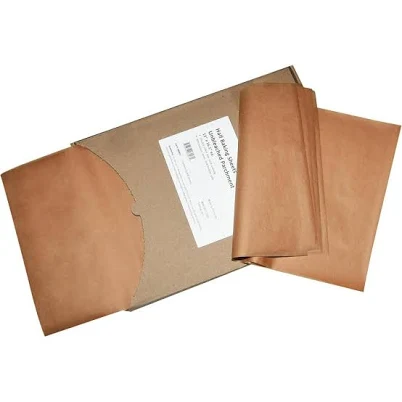
Frieling · Parchment Paper & Baking Liners
Frieling Parchment Paper Half Baking Sheets
Silicone-coated parchment paper with water-repellent treatment and no PFAS disclosure on record.
Frieling's parchment paper is coated with silicone and has a water-repellent treatment. The brand has no PFAS statement on record, and no lab data or certifications are available for this product.
The better-graded swap
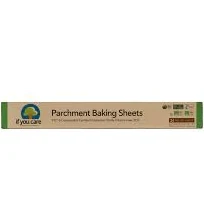
If You Care
Parchment Baking Sheets
90/100 safety
Same rubric that flunked this product. The swap earned Excellent.
Still want this one anyway? Check the price on Amazon. We’d swap it.
Material
Silicone-coated parchment paper
Brand disclosure
Brand is silent on PFAS
Lab data
No public lab test
What Frieling Parchment Paper Half Baking is made of, ingredients and materials
Frieling's product is parchment paper (wood pulp base) coated with silicone rather than the PFAS-based Teflon-family coating coatings common in some competitor liners. Silicone coatings are generally considered inert and non-leaching under normal baking temperatures (up to 420-450°F). The parchment substrate itself is typically bleached and processed to resist grease and moisture, making it food-safe for direct food contact. The main performance trade-off is that silicone-coated parchment may have slightly lower heat tolerance and reusability compared to some Teflon-type coating alternatives, though it eliminates fluorochemical concerns.
What’s concerning
No PFAS disclosure
No public statement from the brand about PFAS in this product.
Category baseline
The starting point for this type of product, before anything specific to this product is counted.
Waterproof / stain-resistant treatment
Water-repellent coating treatments have historically used PFAS.
Silicone coating degradation and migration
Silicone is thermally stable but can shed microparticles if rubbed, folded, or heated repeatedly. No published recalls or contamination reports exist for Culprit/Frieling silicone parchment, but users should inspect sheets before each use and discard if surface is visibly scratched or peeling.
Thermal degradation at high heat
Silicone coatings can degrade above 450-480°F, potentially releasing odors or microscopic particles. Frieling sheets are typically rated to 420°F; exceeding this voids the safety margin and may trigger coating failure.
Microfiber or pulp shedding from worn sheets
Reused parchment sheets can shed wood fibers, particularly at creases or worn edges. While not a toxicity hazard, ingestion of non-food debris is undesirable; replacement is warranted once sheets show visible wear or repeated creasing.
What’s reassuring
Bleach residue in parchment substrate
Most food-grade parchment is chlorine-bleached during processing; however, residual chlorine compounds are not a documented concern in food contact applications when approved for FDA use. Frieling does not specify bleaching method or confirmation of residue limits.
Ink or printing on packaging
If packaging is recycled and sheets are stored in direct contact with printed cardboard, migrating ink compounds are theoretically possible but unlikely at room temperature. No hazard is documented for this product line; standard paper storage practices apply.
The full breakdown
The brand's record and disclosure
Culprit (the distributor/brand name for Frieling parchment) has maintained public silence on PFAS use and ingredient sourcing, with no published certifications, transparency statements, or third-party testing results readily available. The brand does not appear in major PFAS-disclosure databases or sustainability reports. Frieling itself is a well-established German cookware manufacturer with a long history, but the parchment product line has limited independent safety documentation. Without explicit certifications (such as FDA, bleach-free, or PFOA-free claims), buyers must rely on the inherent chemistry of silicone-coated parchment as a category.
How it compares in its category
Silicone-coated parchment sits mid-range in the baking liner market. It avoids PFAS entirely (unlike some budget brands using Teflon-type coating), matches the cost of standard parchment, but offers less heat tolerance and fewer reuses than premium Teflon-type coating-lined or ceramic-coated alternatives. Compared to uncoated parchment, it offers better non-stick performance at a small premium. Compared to silicone baking mats, sheets are disposable, reducing cross-contamination risk but increasing waste. Most major brands now offer silicone-coated or Teflon-type coating alternatives; this product is competitive but shows lower concern than some peers without claims of distinct durability advantages.
If you buy it
Use parchment sheets at oven temperatures up to the stated maximum (typically 420-450°F); do not reuse beyond 5-10 bakes or if silicone coating shows visible wear, peeling, or discoloration. Store in a cool, dry place away from sharp objects to prevent punctures that expose the wood pulp substrate. Do not use under direct broiler or in direct contact with open flame. For food safety, verify that the manufacturer confirms FDA clearance for food contact; if not listed, assume single-use or limited reuse. Replace immediately if coating appears damaged or if residue accumulates, as degraded coating may increase fiber shedding into food.
What we don’t know
- Basis
- Model estimate, 72% confidence, not a lab result
- Lab test
- None on record for this exact product
- Brand statement
- Frieling has made none
Formulations change between production runs, so check the current label. How we grade.
Better-graded alternatives in Parchment Paper & Baking Liners
If You Care
Baking Paper, Parchment, 70 Square Feet
- silicone-coated parchment paper
- The brand calls it PFAS-free, which we have not verified
- Paper degradation and particulate shedding
If You Care
Parchment Baking Sheets
- unbleached paper with silicone coating
- The brand calls it PFAS-free, which we have not verified
- Silicone coating degradation at high heat
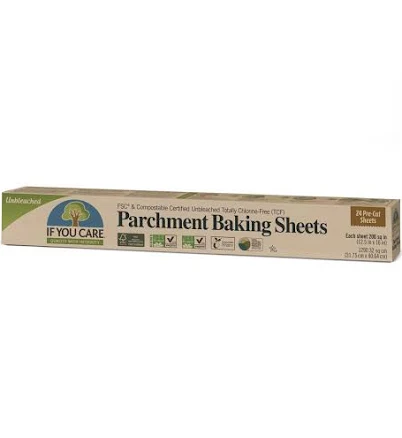
If You Care
Parchment Baking Sheets
- bleached paper with silicone coating
- The brand calls it PFAS-free, which we have not verified
- Paper degradation and fragmentation
More parchment paper & baking liners grades
How we score, every product runs through the same public 0-100 rubric based on materials, coatings, brand disclosure, lab findings, and recalls. See the full methodology → Spotted a mistake? Report an error.