Big Agnes · Camping Tents & Tarps
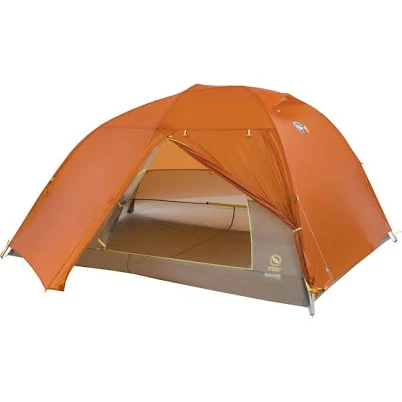
Big Agnes Copper Spur UL3 mtnGLO Tent
Avoid or contact Big Agnes directly; tent waterproofing likely contains PFAS.
The Copper Spur UL3 uses nylon ripstop with a waterproof coating typical of outdoor tents, which historically rely on PFAS-based water-repellent coating treatments. Big Agnes makes no public PFAS commitment or disclosure.
Still want this one anyway? Check the price on Amazon. We’d swap it.
Material
Nylon ripstop fabric, waterproof coating (unspecified)
Brand disclosure
Brand is silent on PFAS
Lab data
No public lab test
What Big Agnes Copper Spur UL3 mtnGLO Tent is made of, ingredients and materials
The Copper Spur UL3 uses nylon ripstop fabric as its primary structure, a durable synthetic that resists tearing and abrasion well. The critical unknown is the waterproof coating applied to this nylon. Big Agnes does not publicly specify whether their coating is PFC-based (PFAS-containing), PFC-free polyurethane, silicone, or another chemistry. Nylon ripstop itself is chemically inert and stable under normal use; the coating is where hazard concentration lies.
What’s concerning
Category baseline
The starting point for this type of product, before anything specific to this product is counted.
No PFAS disclosure
No public statement from the brand about PFAS in this product.
Waterproof / stain-resistant treatment
Water-repellent coating treatments have historically used PFAS.
PFAS
Nylon tents typically rely on PFC-based water-repellent coating finishes unless explicitly stated otherwise. Big Agnes provides no ingredient data, making PFAS presence highly probable. Coating off-gassing during use is minimal but leaching into soil/water at end-of-life is a documented pathway.
Source, ATSDR ↗Coating degradation and microparticle shedding
All waterproof coatings degrade over time with UV exposure and flexing. As the coating peels or flakes, microscopic particles may shed into soil where the tent is pitched or into water during cleaning. No recalled incidents reported for Big Agnes, but this is a material property of aged coatings, not a brand-specific defect.
Off-gassing from adhesives and seam sealant
Nylon tent seams are typically sealed with polyurethane or similar adhesives that may release low levels of volatile organic compounds (VOCs). Ventilation during first deployment and overnight drying between uses minimizes cumulative exposure. No specific data on Big Agnes adhesive formulations is public.
What’s reassuring
Aluminum or steel hardware corrosion and leaching
Tent poles and stakes are typically anodized aluminum or stainless steel, both stable under normal camping conditions. No recalls or reports of metal leaching from Big Agnes tents are documented. Risk is low if hardware is not damaged.
Formaldehyde / VOCs
Modern nylon ripstop is not routinely treated with formaldehyde resins, and azo-dye risk in outdoor fabrics is minimal. Big Agnes does not highlight any issue in this area, and no independent testing has flagged it for this product.
Source, ATSDR ↗The full breakdown
The brand's record and disclosure
Big Agnes has not published PFAS or waterproof-coating ingredient disclosures for any product line. The brand maintains no public commitment to PFAS phase-out or alternative chemistry adoption, despite industry movement toward PFC-free standards by competitors like MSR and Zpacks. This silence is notable in a category where waterproofing is essential and coating chemistry is routine to specify. Without direct inquiry, consumers cannot verify whether this tent meets PFC-free criteria.
How it compares in its category
Many ultralight tent makers (REI Co-op, Zpacks, Hyperlite) now disclose PFC-free coatings or offer transparency on request. Big Agnes occupies a mid-to-premium price tier but lags in transparency relative to peers. The mtnGLO LED system (integrated lighting) adds value but does not address the coating ambiguity. Comparable tents from more communicative brands exist at similar weights and prices.
If you buy it
Contact Big Agnes customer service directly to confirm waterproof-coating chemistry before purchase. Store the tent in a cool, dry place; do not expose to prolonged heat or direct sunlight when wet, as this may accelerate coating breakdown. Hand-wash with plain water; avoid detergents that may degrade the waterproof layer. Replace or reseal the tent if the coating visibly delaminates, peels, or loses water repellency within 5-10 years of use.
What we don’t know
- Basis
- Model estimate, 35% confidence, not a lab result
- Lab test
- None on record for this exact product
- Brand statement
- Big Agnes has made none
Formulations change between production runs, so check the current label. How we grade.
More camping tents & tarps grades
How we score, every product runs through the same public 0-100 rubric based on materials, coatings, brand disclosure, lab findings, and recalls. See the full methodology → Spotted a mistake? Report an error.