Big Agnes · Camping Tents & Tarps
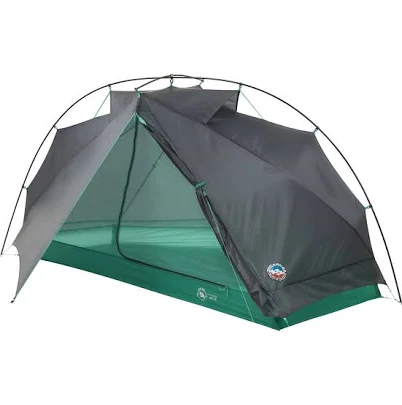
Big Agnes Pitchpine VST 1.5 Backpacking Tent
Avoid or contact Big Agnes directly; waterproof tent coating source unknown.
The Pitchpine VST 1.5 uses polyester ripstop fabric with a water-repellent coating finish, but Big Agnes does not disclose whether the coating contains PFAS or offers alternatives. Most backpacking tents in this price range historically use traditional fluorocarbon water-repellent coating treatments.
Still want this one anyway? Check the price on Amazon. We’d swap it.
Material
Polyester ripstop with unspecified water-repellent coating
Brand disclosure
Brand is silent on PFAS
Lab data
No public lab test
What Big Agnes Pitchpine VST 1.5 Backpacking is made of, ingredients and materials
The Pitchpine VST 1.5 uses polyester ripstop fabric, a synthetic polymer that is chemically stable under normal use and does not leach monomers or plasticizers into food or skin contact. The critical unknown is the water-repellent coating (water-repellent coating) finish applied to the polyester, which Big Agnes does not publicly disclose. Most tent water-repellent coating coatings historically used PFAS-based Teflon-family coating, though some manufacturers have shifted to non-fluorinated alternatives in recent years. Without specification from Big Agnes, the coating chemistry cannot be verified.
What’s concerning
Category baseline
The starting point for this type of product, before anything specific to this product is counted.
No PFAS disclosure
No public statement from the brand about PFAS in this product.
Waterproof / stain-resistant treatment
Water-repellent coating treatments have historically used PFAS.
PFAS
Big Agnes does not disclose water-repellent coating chemistry; fluorinated coatings are industry standard and historically PFAS-based. Exposure is low during normal use but accumulates if tent fabric is stored in living space or handled frequently. Contact manufacturer to confirm whether this model uses PFAS-free alternatives.
Source, ATSDR ↗Volatile organic compound (VOC) off-gassing
New polyester tents may emit low levels of VOCs from sizing agents and coating solvents during first week of use. Ventilate the tent outdoors for 24-48 hours after opening; off-gassing subsides rapidly and poses minimal health risk in outdoor use.
Coating degradation and loss of water repellency
Like most water-repellent coating-coated tents, the Pitchpine VST will gradually lose water repellency after 2-5 years of regular use and UV exposure. Degradation is normal wear, not a toxicity hazard, but signals eventual need for replacement. water-repellent coating renewal treatments are available but add cost and introduce additional chemical exposure.
What’s reassuring
Microplastic shedding from polyester ripstop
Polyester does not shed microplastics under normal dry storage or use. Risk only arises if fabric is abraded intensively or washed in machines; typical tent care (gentle hand rinse, air dry) avoids this.
Flame retardants
Polyester ripstop fabric does not require flame retardant treatment for camping tents. No added FR chemicals are expected in this product category unless explicitly marketed as flame-resistant, which the Pitchpine VST is not.
Source, EPA ↗The full breakdown
The brand's record and disclosure
Big Agnes has not published a clear PFAS policy or material disclosure statement regarding their tent coatings as of available public records. The brand does not list certifications like bluesign or OEKO-TEX that would indicate third-party verification of chemical inputs. Direct contact with Big Agnes customer service is the only way to determine if this specific model uses PFAS-based or PFAS-free water-repellent coating. This silence on a widely known industry issue is a transparency gap.
How it compares in its category
Most backpacking tents in this weight and price range use polyester ripstop with legacy PFAS-based water-repellent coating coatings; the Pitchpine VST is typical in this regard. Some competitors (notably Zpacks, Hyperlite) now offer water-repellent coating options without fluorinated chemistry, though often at higher cost or weight trade-offs. Big Agnes' lack of public commitment to PFAS elimination puts it in the middle of the market in terms of chemical transparency. Tents are low-contact items (fabric does not touch skin or food), which reduces exposure risk compared to cookware or food storage.
If you buy it
Before purchase, email Big Agnes technical support with the product code and ask explicitly whether the water-repellent coating contains PFAS. Store the tent dry and well-ventilated after trips to prevent mildew; prolonged damp storage may degrade the coating and increase any leachable risk. Do not machine wash or dry clean the tent, as solvents can compromise coatings. Inspect seams and fabric annually for wear; holes or delamination mean replacement is due, not repair.
What we don’t know
- Basis
- Model estimate, 45% confidence, not a lab result
- Lab test
- None on record for this exact product
- Brand statement
- Big Agnes has made none
Formulations change between production runs, so check the current label. How we grade.
More camping tents & tarps grades
How we score, every product runs through the same public 0-100 rubric based on materials, coatings, brand disclosure, lab findings, and recalls. See the full methodology → Spotted a mistake? Report an error.