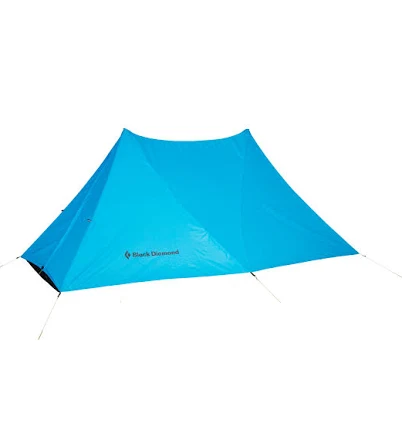
Black Diamond · Camping Tents & Tarps
Black Diamond Beta Light 2P Tent
Skip until Black Diamond discloses water-repellent coating chemistry; tent waterproofing is a common PFAS vector.
This tent's water-repellent coating-coated nylon repels water using a treatment class historically dependent on PFAS. Black Diamond doesn't disclose the specific water-repellent coating chemistry or make PFAS-free claims.
Still want this one anyway? Check the price on Amazon. We’d swap it.
Material
Nylon ripstop fabric with water-repellent coating (water-repellent coating) coating
Brand disclosure
Brand is silent on PFAS
Lab data
No public lab test
What Black Diamond Beta Light 2P Tent is made of, ingredients and materials
The Beta Light 2P uses nylon ripstop fabric, a lightweight polyamide weave designed for tear resistance and packability. The critical component is the water-repellent coating (water-repellent coating) coating applied to the nylon, Black Diamond has not publicly disclosed whether this uses PFAS chemistry (such as Teflon-family coating) or newer alternatives like silicone or wax-based repellents. Nylon itself is stable under normal camping conditions and does not leach harmful chemicals into food or skin contact, but the coating's chemistry remains opaque.
What’s concerning
Category baseline
The starting point for this type of product, before anything specific to this product is counted.
No PFAS disclosure
No public statement from the brand about PFAS in this product.
Waterproof / stain-resistant treatment
Water-repellent coating treatments have historically used PFAS.
PFAS
Black Diamond has not disclosed the water-repellent coating formulation. Industry standard for nylon tents historically involves Teflon-family coating PFAS compounds, though alternative chemistries exist. Without confirmation, assume PFAS risk is present but unquantified.
Source, ATSDR ↗water-repellent coating fume or off-gassing
New tents may emit minor off-gassing from coating resins, particularly if heated or in warm conditions. This is temporary and not unique to Black Diamond; airing the tent outdoors for 24-48 hours before use is standard practice.
What’s reassuring
Microplastics
Nylon ripstop is durable and does not shed microfibers under normal camping use. Degradation occurs only after years of UV exposure, mechanical wear, or washing. No specific hazard documented for this product.
Source, EPA ↗Adhesive and seam-tape leachables
Modern tent seam sealing uses polyurethane or acrylic adhesives that do not leach into water or skin under normal use. No established hazard for this product category.
Heavy metals
Nylon ripstop dyes are not known to contain lead or cadmium; aluminum or steel hardware (zippers, stakes) is inert. No hazard documented for Black Diamond tents.
Source, FDA ↗The full breakdown
The brand's record and disclosure
Black Diamond Equipment has not released public statements about PFAS use in their tent coatings or overall chemical management policy, as of available records. The company is primarily known for climbing and skiing gear and lacks prominent sustainability or chemical transparency certifications like OEKO-TEX or bluesign. Competitors in the premium tent space (e.g., Big Agnes, MSR) have similarly been silent or slow to disclose water-repellent coating chemistry, making Black Diamond's position typical rather than exceptional for the category.
How it compares in its category
The Beta Light 2P occupies the mid-to-premium segment of lightweight backpacking tents. Most competitors in this niche (North Face, REI Co-op, Sea to Summit) use nylon or polyester ripstop with proprietary or undisclosed water-repellent coating coatings, so Black Diamond is not an outlier in chemical transparency. A few brands now offer PFAS-free alternatives using wax or silicone water repellents, but these remain niche and often cost more or sacrifice durability.
If you buy it
Store the tent dry in a cool, dark space away from UV light to preserve the nylon and water-repellent coating over time. Avoid exposing the interior to direct flame or high heat (camp stove placement matters). Clean only with lukewarm water and mild soap; harsh cleaners or heat-drying can degrade the water-repellent coating. Reapply a PFAS-free water-repellent coating restorer (silicone or wax-based) after 2-3 seasons if water no longer beads on the fabric, extending tent life and reducing need for replacement.
What we don’t know
- Basis
- Model estimate, 45% confidence, not a lab result
- Lab test
- None on record for this exact product
- Brand statement
- Black Diamond has made none
Formulations change between production runs, so check the current label. How we grade.
More camping tents & tarps grades
How we score, every product runs through the same public 0-100 rubric based on materials, coatings, brand disclosure, lab findings, and recalls. See the full methodology → Spotted a mistake? Report an error.