Black Diamond · Camping Tents & Tarps
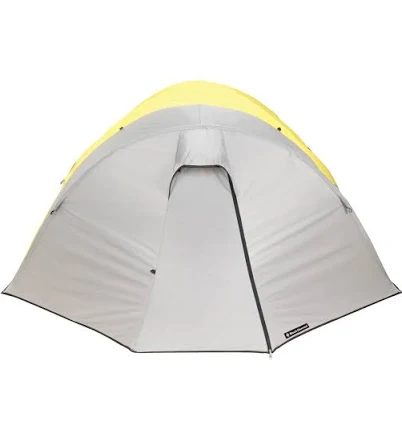
Black Diamond Bombshelter Tent
PFAS content unknown; contact Black Diamond directly if PFAS exposure concerns you.
This premium mountaineering tent has waterproofed fabric standard for the category. Black Diamond doesn't publicly disclose whether their water-repellent coating uses PFAS or PFAS-free chemistry.
Still want this one anyway? Check the price on Amazon. We’d swap it.
Material
Polyester/nylon fabric with water-repellent coating (water-repellent coating) coating
Brand disclosure
Brand is silent on PFAS
Lab data
No public lab test
What Black Diamond Bombshelter Tent is made of, ingredients and materials
The Bombshelter uses polyester and nylon fabric with a water-repellent coating (water-repellent coating) coating applied to shed water. water-repellent coating coatings are historically formulated with PFAS compounds (perfluorinated chemicals) that bond to fabric and resist water and dirt, but Black Diamond has not publicly disclosed whether their formulation is PFAS-free or which chemicals they use. Polyester and nylon themselves are stable polymers that do not leach into water or food under normal camping conditions.
What’s concerning
Category baseline
The starting point for this type of product, before anything specific to this product is counted.
No PFAS disclosure
No public statement from the brand about PFAS in this product.
Waterproof / stain-resistant treatment
Water-repellent coating treatments have historically used PFAS.
PFAS
Black Diamond's silence on water-repellent coating chemistry and industry prevalence of PFAS in this application suggest conventional PFAS-based formulation, but cannot be confirmed without company disclosure or independent lab analysis.
Source, ATSDR ↗Coating degradation over time
Water-repellent coating coatings naturally degrade with use, weather exposure, and washing; as coating wears, water absorption increases but this does not pose direct chemical safety risk, only functional loss. Recoating products available as replacements.
What’s reassuring
Polyester and nylon off-gassing (VOC)
Polyester and nylon tent fabrics do not have a documented record of releasing volatile organic compounds at room temperature or under typical camping humidity. Off-gassing risk is lower than furniture or carpet.
Heavy metals
No recalls or published warnings of formaldehyde resin treatments or toxic pigments in Black Diamond polyester tent fabrics; nylon and polyester dyes used in outdoor textiles are typically azo-dyes but heavy metal contamination is not a recognized issue in this brand's product line.
Source, FDA ↗The full breakdown
The brand's record and disclosure
Black Diamond (owned by Clarus Corporation) has not published transparency statements regarding PFAS use in their tent products or commitment to PFAS-free alternatives. The brand does not list third-party certifications (like bluesign or OEKO-TEX) on this model that would independently verify chemical safety. This silence contrasts with competitors like MSR and some cottage brands that have begun disclosing or transitioning to PFAS-free water-repellent coating.
How it compares in its category
Most three-season and four-season tents in this price and performance range use conventional PFAS-containing water-repellent coating coatings; truly PFAS-free options remain niche and often cost more or sacrifice durability claims. The Bombshelter's material quality and construction are well-regarded within mountaineering circles, placing it in the mid-to-premium tier where alternatives without fluorinated water-repellent coatings exist but are less common. Budget tents often use less aggressive water-repellent coating treatments; premium tents increasingly advertise alternative coatings.
If you buy it
Wash the tent and all fabric components only in cool water with mild soap before first use to remove surface coatings and dust; avoid hot water or machine washing, which can degrade seals and accelerate coating wear. Store dry in a cool, dark place; mold and mildew growth from prolonged dampness is a more acute health risk than the water-repellent coating itself under normal use. Inspect seams and fabric annually; once coating visibly degrades (water beads less uniformly), retreat with a compatible water-repellent coating product if re-waterproofing is needed, or retire the tent. Do not heat-dry or place near direct heat sources, as this can damage fabric and potentially alter chemical stability of coatings.
What we don’t know
- Basis
- Model estimate, 42% confidence, not a lab result
- Lab test
- None on record for this exact product
- Brand statement
- Black Diamond has made none
Formulations change between production runs, so check the current label. How we grade.
More camping tents & tarps grades
How we score, every product runs through the same public 0-100 rubric based on materials, coatings, brand disclosure, lab findings, and recalls. See the full methodology → Spotted a mistake? Report an error.