Black Diamond · Camping Tents & Tarps
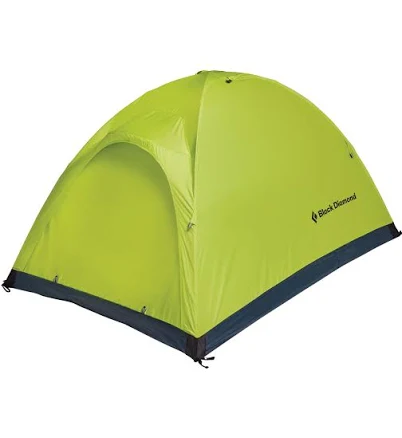
Black Diamond Firstlight 3P Tent
Waterproof tents commonly use PFAS; skip or ask Black Diamond for treatment specifics.
The ripstop nylon has water-repellent coating treatment, but the company doesn't disclose the coating chemistry publicly. water-repellent coating finishes on outdoor gear have historically used PFAS compounds.
Still want this one anyway? Check the price on Amazon. We’d swap it.
Material
Ripstop nylon with water-repellent coating (treatment unknown)
Brand disclosure
Brand is silent on PFAS
Lab data
No public lab test
What Black Diamond Firstlight 3P Tent is made of, ingredients and materials
The Firstlight 3P uses ripstop nylon fabric, a lightweight polyamide weave chosen for durability and packability in backpacking tents. Black Diamond applies a water-repellent coating (water-repellent coating) coating to the exterior, but the specific chemistry (fluorine-based PFAS, fluorine-free, or hybrid) is not disclosed in public materials. Nylon itself is stable and non-leaching under normal camping conditions; the hazard question centers entirely on what the water-repellent coating treatment contains and whether it sheds microparticles during weathering.
What’s concerning
Category baseline
The starting point for this type of product, before anything specific to this product is counted.
No PFAS disclosure
No public statement from the brand about PFAS in this product.
Waterproof / stain-resistant treatment
Water-repellent coating treatments have historically used PFAS.
PFAS
Standard industry practice uses long-chain PFAS (C8 and longer) in water-repellent coating treatments on nylon tents. Black Diamond has not disclosed whether this tent uses PFAS-based, fluorine-free, or hybrid chemistry. PFAS exposure from tent use is considered low during normal contact, but off-gassing or particle shed during weathering cannot be ruled out without coating specification.
Source, ATSDR ↗Off-gassing of dyes or finish treatments in new tent
New ripstop nylon tents may emit mild odors during initial use, typical of polyamide and dye residues. This is generally not considered a health hazard at field concentrations, but individuals sensitive to chemical odors may notice this during the first few uses. Airing the tent outdoors before storage reduces any residual volatile release.
What’s reassuring
Nylon polyamide fiber degradation and microfiber release
Ripstop nylon is chemically stable during normal camping use. No documented hazard of nylon microfiber release from intact tent fabric under typical moisture and temperature exposure. Wear, abrasion, or UV damage over years may eventually cause fiber shedding, but this is mechanical degradation, not a chemical leachate risk.
Seam sealing agent toxicity
Tent seam sealants (polyurethane or silicone-based) applied to tape joints are not typically documented as a hazard source in tents. Black Diamond's specific seam sealing chemistry is not publicly detailed, but industry-standard formulations release minimal volatile compounds under field conditions.
UV degradation of fabric and coating over multi-year use
Nylon and water-repellent coating coatings degrade gradually under UV exposure and weathering. No acute toxicity hazard is documented; however, a degraded coating may lose water repellency and potentially shed coating particles. Tent lifespan typically exceeds 10 years with proper storage, so this is a practical durability issue rather than an acute safety concern.
The full breakdown
The brand's record and disclosure
Black Diamond (owned by Clarus Corporation) has not published a public statement on PFAS use in tent coatings or a commitment to PFAS phase-out as of available records. The company does not list water-repellent coating chemistry on product pages or safety documentation for this tent. No major recalls or safety controversies have been reported for the Firstlight 3P specifically. Transparency on water-repellent coating chemistry remains a gap across most mainstream tent manufacturers, including Black Diamond.
How it compares in its category
The Firstlight 3P sits in the mainstream three-season backpacking tent market; its water-repellent coating strategy is typical for this price range and weight class. Some competitors (e.g., certain Zpacks or Hyperlite models) explicitly market PFAS-free coatings, though at higher cost or weight penalty. Black Diamond's silence on this issue is standard for the industry but increasingly scrutinized by consumers concerned about PFAS accumulation in outdoor gear. If PFAS transparency is important to you, this product lacks the information needed to choose confidently.
If you buy it
Contact Black Diamond directly (sales or sustainability email) to ask whether the water-repellent coating on this model is PFAS-based before committing; a direct answer will inform your decision. Store the tent dry and well-ventilated indoors to minimize off-gassing of any coating components. Do not expose the tent to high heat (e.g., direct sun for extended periods) as nylon itself is stable but concentrated water-repellent coating treatments may degrade unpredictably if overheated. Inspect the seams and coating annually for wear; once water repellency fails noticeably, consider recoating with a known-chemistry product or retiring the tent rather than using a degraded coating that may shed particles.
What we don’t know
- Basis
- Model estimate, 35% confidence, not a lab result
- Lab test
- None on record for this exact product
- Brand statement
- Black Diamond has made none
Formulations change between production runs, so check the current label. How we grade.
More camping tents & tarps grades
How we score, every product runs through the same public 0-100 rubric based on materials, coatings, brand disclosure, lab findings, and recalls. See the full methodology → Spotted a mistake? Report an error.