Black Diamond · Camping Tents & Tarps
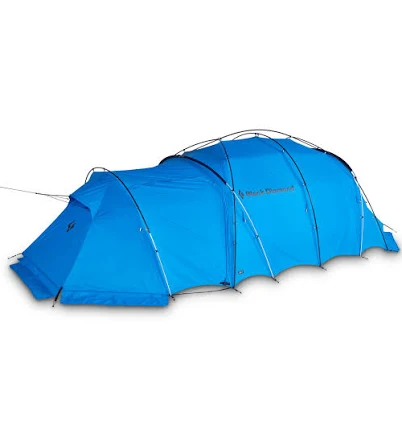
Black Diamond Mission 4P Tent
PFAS risk cannot be ruled out without third-party testing or explicit brand disclosure.
Black Diamond provides no public information about the Mission 4P's water-repellent coating composition. water-repellent coating finishes on tents traditionally used PFAS-based treatments, though non-PFAS options now exist.
Still want this one anyway? Check the price on Amazon. We’d swap it.
Material
Nylon ripstop / polyester blend with water-repellent coating water-resistant coating (unspecified)
Brand disclosure
Brand is silent on PFAS
Lab data
No public lab test
What Black Diamond Mission 4P Tent is made of, ingredients and materials
The Mission 4P uses nylon ripstop and polyester blended fabric with a water-repellent coating (water-repellent coating) coating applied to the outer shell. water-repellent coating coatings are the primary PFAS exposure vector in tents, as they create the waterproof barrier essential to function. Black Diamond does not publicly specify whether their water-repellent coating is PFAS-based (legacy fluorochemicals) or fluorine-free alternatives, leaving users without transparency on this key chemical choice.
What’s concerning
Category baseline
The starting point for this type of product, before anything specific to this product is counted.
No PFAS disclosure
No public statement from the brand about PFAS in this product.
Waterproof / stain-resistant treatment
Water-repellent coating treatments have historically used PFAS.
water-repellent coating degradation and particulate shedding
Nylon-polyester tents with applied water-repellent coating coatings can flake or crack over time, especially in high-UV or thermal stress conditions. Shed particles may enter groundwater or be inhaled; risk is low in normal field use but increases with age and improper storage.
Mold and microbial growth (maintenance-dependent)
Damp fabric stored without drying provides an environment for mold, mildew, and bacterial colonization. This is a use-related hazard tied to care rather than manufacturing; the tent material itself is not prone to attracting biofilm beyond normal textile risk.
VOC off-gassing from new tent
New synthetic tents can emit volatile organic compounds during the first weeks of use due to residual solvents in coatings and adhesives. Proper ventilation on arrival and initial deployments minimizes exposure; odor typically fades within days to weeks.
What’s reassuring
Formaldehyde / VOCs
No recalls or test reports document formaldehyde resins in Black Diamond tents. Ripstop nylon and polyester typically undergo fewer finishing steps than apparel, making formaldehyde exposure unlikely, but no public testing of this product confirms absence.
Source, ATSDR ↗Heavy metals
Water-repellent coating coatings may contain aluminum salts or other metallic compounds in some formulations, but no documented analysis of Black Diamond Mission 4P coatings is available. Risk is theoretical and tied to the unknown water-repellent coating chemistry.
Source, FDA ↗The full breakdown
The brand's record and disclosure
Black Diamond, owned by Clarus Corporation, has not published a public PFAS phase-out commitment or water-repellent coating chemistry disclosure for their tent line as of available records. The brand has no known major contamination recalls or environmental litigation specific to tents, but this silence on waterproofing chemistry is standard across most traditional outdoor brands and reflects industry-wide opacity rather than isolated concern.
How it compares in its category
The Mission 4P sits in the mid-to-premium segment of 4-season mountaineering tents. Most competing brands (MSR, Nemo, Big Agnes) similarly decline public water-repellent coating disclosure. Some smaller brands now advertise fluorine-free or PFOA-free coatings, but verification is difficult. The Mission 4P's performance reputation rests on its proven durability and weather sealing, not on chemical transparency.
If you buy it
Inspect seams and coating annually for degradation, as exposed base fabric increases water failure rather than chemical risk. Avoid prolonged heat (do not machine-dry or store in direct sunlight for months) as this can accelerate water-repellent coating breakdown. Replace the tent or retreat seams if coating visibly flakes or peels. Clean with cool water and mild soap only; harsh detergents strip water-repellent coating and may mobilize coating particles.
What we don’t know
- Basis
- Model estimate, 45% confidence, not a lab result
- Lab test
- None on record for this exact product
- Brand statement
- Black Diamond has made none
Formulations change between production runs, so check the current label. How we grade.
More camping tents & tarps grades
How we score, every product runs through the same public 0-100 rubric based on materials, coatings, brand disclosure, lab findings, and recalls. See the full methodology → Spotted a mistake? Report an error.